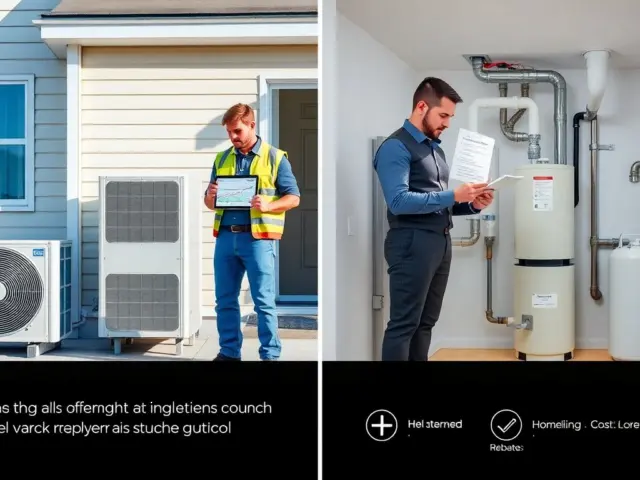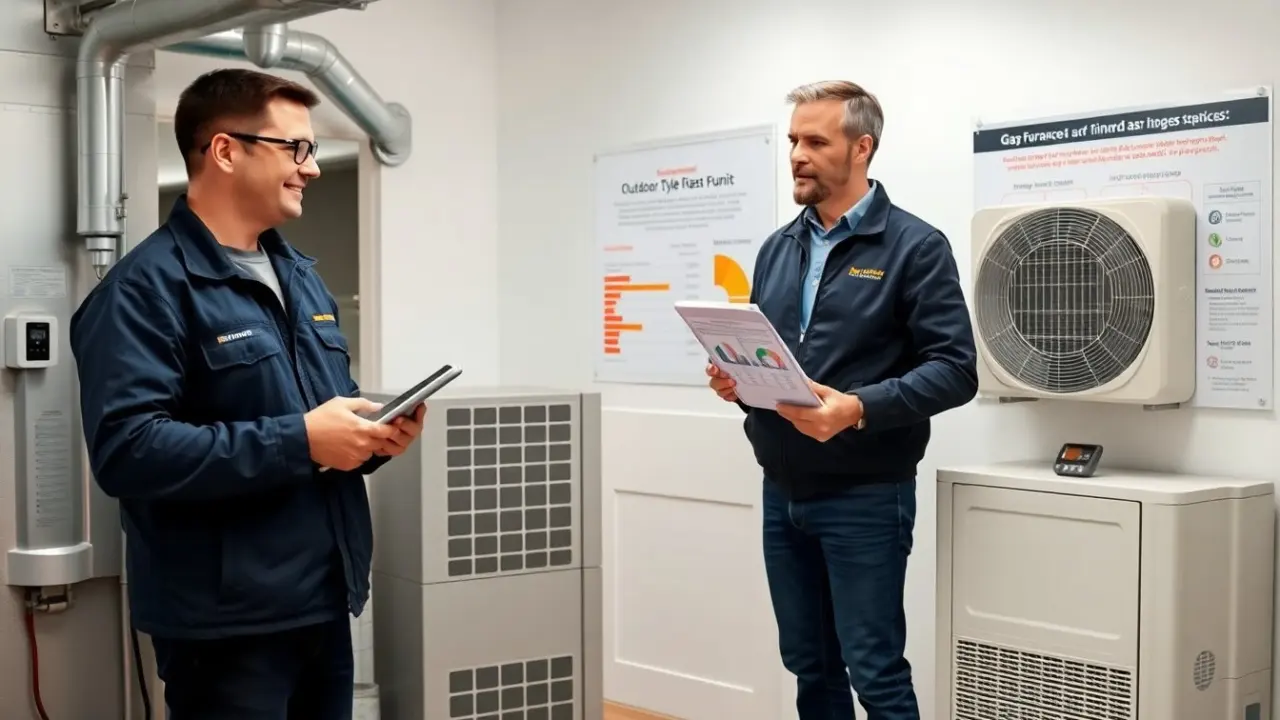
Furnace vs heat pump is the key question many homeowners ask in 2026. The article compares cost, efficiency, and emissions. It gives clear facts and simple guidance. It helps readers choose the right system for their home and climate. The text uses plain sentences and direct comparisons.
Key Takeaways
- A heat pump provides both heating and cooling by moving heat, making it energy efficient especially in mild climates compared to a furnace that burns fuel to generate heat.
- Heat pump efficiency can decline in very cold weather, but hybrid systems combining heat pumps with furnaces optimize comfort and reduce seasonal energy costs.
- Installation costs for furnaces are generally lower if ductwork is in place, but heat pumps may qualify for significant rebates and incentives reducing overall ownership cost in 2026.
- Heat pumps emit less on-site carbon than gas furnaces, making them a better choice for homeowners seeking to reduce their carbon footprint, particularly where the electricity grid is clean.
- Both systems require annual maintenance to ensure safety and longevity, with furnaces lasting 15-20 years and heat pumps typically 10-15 years for outdoor units.
- Heat pumps operate quietly with steady temperature control and improve indoor air quality by avoiding indoor combustion, while furnaces provide rapid heating bursts but require careful monitoring for gas leaks.
How Furnaces And Heat Pumps Work — Basic Principles And Components
A furnace burns fuel to make heat. The furnace moves warm air through ducts with a blower. A heat pump moves heat from one place to another. The heat pump uses a compressor, refrigerant, and coils. A furnace uses gas, oil, or propane and a heat exchanger. An electric furnace uses resistance coils. A heat pump can work as an air conditioner in summer. A heat pump offers heating and cooling in one unit. Homeowners should check ductwork and electrical circuits for either system.
Digging deeper, the main functional difference is source vs transfer: furnaces generate thermal energy on-site by combustion or resistance, while heat pumps transfer ambient thermal energy using mechanical work. Key components to understand include the furnace’s burner, heat exchanger, flue, and safety controls, and the heat pump’s outdoor compressor, reversing valve (for reversing between heating and cooling), indoor evaporator coil, and expansion device. For ductless heat pumps, wall-mounted or ceiling cassettes replace central-air coils and require different placement and clearance considerations.
When evaluating furnace vs heat pump for an existing home, inspect the distribution system and controls. Older duct systems with leaks or poor insulation reduce the effective efficiency of either option; sealing ducts and adding insulation often produces cost-effective gains. Electrical service capacity matters for heat pumps and electric furnaces — some homes need upgraded panels. Fuel availability and venting requirements matter for gas, oil, and propane furnaces.
Energy Efficiency And Running Costs — Comparing Performance And Seasonal Bills
A heat pump often uses less energy than a furnace for the same heat output. Heat pump technology improved and many models reach high seasonal efficiency ratings. Furnaces show efficiency as AFUE: modern gas furnaces reach 95% AFUE or more. Heat pumps show efficiency as HSPF or SEER for combined seasons. In mild climates, a heat pump costs less to run than a furnace. In very cold climates, a furnace can use less electricity when a heat pump runs backup heat. Homeowners should compare local energy prices and expected use before choosing.
To translate ratings into bills, compare seasonal metrics and your local fuel/electric rates. AFUE tells you the percent of fuel converted to heat, while HSPF and SEER provide seasonally weighted performance for heat pumps and AC components. Real-world factors that change running costs include thermostat strategy (setbacks vs constant temperature), home insulation levels, and distribution losses. Heat pumps often deliver more usable heat per unit of energy at temperatures above their balance point, while furnaces offer predictable fuel consumption tied to AFUE.
Consider operational profiles: if you want both cooling and heating and live in a moderate climate, a single heat pump can reduce total annual energy use. If you live where winters are long and bitter, a high-efficiency furnace or a hybrid system that uses a heat pump most of the time and a furnace for extreme cold may be the lowest-cost option across the year. Always ask installers for estimated seasonal cost examples using your local utility rates and typical heating degree days for an accurate comparison.
Seasonal Performance Differences — Cold-Climate Limitations And Hybrid Options
Heat pump performance drops as outdoor temperatures fall. Cold-climate heat pumps keep working but use more electricity at low temperatures. Some models use enhanced compressors or cold-climate refrigerants to keep efficiency higher. A hybrid system pairs a heat pump with a gas furnace. The system uses the heat pump when it is efficient. The system switches to the furnace when heat pump efficiency falls. Hybrid systems can lower seasonal bills in variable climates. A homeowner should size both units to match the house and local winter lows.
Cold-climate models extend the useful temperature range of heat pumps, but they still have a “balance point” below which the furnace or electric resistance backup becomes more economical. When planning a hybrid installation, factor in the control logic that decides the switch-over temperature, and make sure thermostat and wiring support smooth transitions. Hybrid setups offer redundancy — if one system fails, the other can maintain comfort — and they can be staged to prioritize emissions reduction or cost savings depending on homeowner preference.
Practical tips: in cold regions, add insulation and reduce air leaks to lower the required capacity and keep heat pump operation in its efficient range more often. Consider multi-stage or variable-speed equipment to match output to demand; these systems often deliver better comfort and lower cycling losses during shoulder seasons. Evaluate the total seasonal energy use and not just peak capacity when comparing furnace vs heat pump for your climate.
Installation, Maintenance, And Lifespan — What To Expect Over Time
A furnace installation usually costs less than a full heat pump swap when ductwork exists. A heat pump may need new wiring or a different outdoor pad. Both systems need annual checks. Technicians should clean coils, check refrigerant, and test combustion or electrical safety. A well‑maintained furnace can last 15 to 20 years. A heat pump often lasts 10 to 15 years for the outdoor unit and longer for indoor parts. Regular filters and simple seasonal care extend life for both systems.
Installation details affect longevity and performance. Proper sizing (not oversizing) reduces short cycling and wear. Installers should perform Manual J load calculations and Manual D duct design when changing system type. For furnaces, ensure correct venting and combustion air; for heat pumps, ensure adequate refrigerant charge and protective measures for the outdoor unit in snow-prone areas. Warranty terms vary by manufacturer and often require documented annual service to remain valid.
Maintenance actions homeowners can do between professional visits include replacing filters, keeping the outdoor heat pump unit clear of debris, programming thermostats for reasonable setpoints, and monitoring for unusual noises or cycling. Expect different replacement schedules for major components: burners and heat exchangers in furnaces are durable with proper care, while compressors in heat pumps are the most expensive to replace. Budget accordingly when comparing long-term ownership costs of furnace vs heat pump.
Upfront Costs, Rebates, And Incentives — True Cost Of Ownership Today
Heat pumps often cost more to buy and install than furnaces. Governments and utilities now offer rebates for heat pump purchases and installations. A homeowner should check federal tax credits and local utility rebates in 2026. Some programs reduce the net cost by thousands of dollars. Furnaces may also qualify for limited incentives when paired with efficiency upgrades. Buyers should calculate payback time by comparing rebates, local fuel prices, and estimated annual bills.
When calculating true cost of ownership, include installation complexities: electrical upgrades, ductwork repair, refrigerant line runs, and possible structural work for outdoor units or new vents. Consider lifecycle costs over 10–20 years rather than initial sticker price. Factor in expected maintenance, likely replacement timelines, and potential energy price shifts. Incentives frequently target electrification and may bias net cost toward heat pumps; confirm eligibility conditions and required documentation before committing.
Finally, compare financing options and total cost of ownership scenarios. Some utilities offer low-interest loans or on-bill financing for heat pump conversions. Contractors may bundle installation with maintenance plans that spread costs and provide predictable service. Use a simple spreadsheet to compare upfront costs plus projected annual energy and maintenance costs under conservative assumptions to see when a heat pump pays back versus staying with or replacing a furnace.
Environmental Impact And Emissions — Carbon Footprint And Future-Proofing
A heat pump emits less carbon on site because it moves heat electrically. The true carbon impact depends on the electricity mix. Areas with cleaner grids give heat pumps a bigger carbon advantage. A gas furnace emits combustion carbon on site. New furnace models reduce emissions with higher efficiency. Heat pumps let homeowners reduce carbon when grids add more clean power. Policy trends in many regions favor electrification and add incentives for heat pumps. Homeowners who want lower carbon should consider a heat pump and check local grid forecasts.
To evaluate greenhouse gas emissions for a specific home, estimate annual energy consumption for each option and multiply by local grid emission factors or fuel carbon intensity. Remember upstream emissions from fuel extraction and transport add to the footprint of gas and oil furnaces. As grids decarbonize over time, electric heating systems generally become cleaner, improving the long-term emissions profile of a heat pump relative to a fossil-fuel furnace.
Future-proofing considerations include adopting systems compatible with increasing use of distributed renewable electricity, battery storage, and demand-response programs. Heat pumps can work with smart controls to shift operation to low-carbon hours or respond to utility signals. For homeowners focused on resilience, an appropriately configured hybrid system or pairing a heat pump with a backup generator can combine low-carbon operation with reliability during outages.
Comfort, Noise, And Indoor Air Quality — Real-World Living Considerations
A heat pump gives steady temperature control and cools in summer. A furnace delivers strong bursts of warm air and can feel warmer fast. Heat pumps run longer and at lower fan speeds, which can reduce noise. Modern furnaces and heat pumps both meet strict noise standards. Filters and ventilation shape indoor air quality more than the heat source alone. Heat pumps avoid combustion in the home, which can reduce indoor NOx and combustion particulates. Homeowners should choose good filters and fresh air ventilation and test for gas leaks when they use a furnace.
Comfort is subjective; some occupants prefer the quick, intense warmth from a furnace while others like the steady background warmth of a heat pump. Zoning, programmable thermostats, and variable-speed fans improve comfort with either system. Noise considerations include outdoor compressor sound for heat pumps and burner/blower noise for furnaces; careful siting and vibration isolation reduce perceived sound. For indoor air quality, consider adding higher-efficiency filters, UV lights, or dedicated ventilation systems to control humidity and reduce pollutants regardless of the heating source.
When deciding furnace vs heat pump, weigh comfort preferences, noise sensitivity, and IAQ priorities alongside cost and emissions. Conduct a home energy audit to identify insulation and ventilation opportunities that will improve comfort and reduce operating costs no matter which heating system you choose.