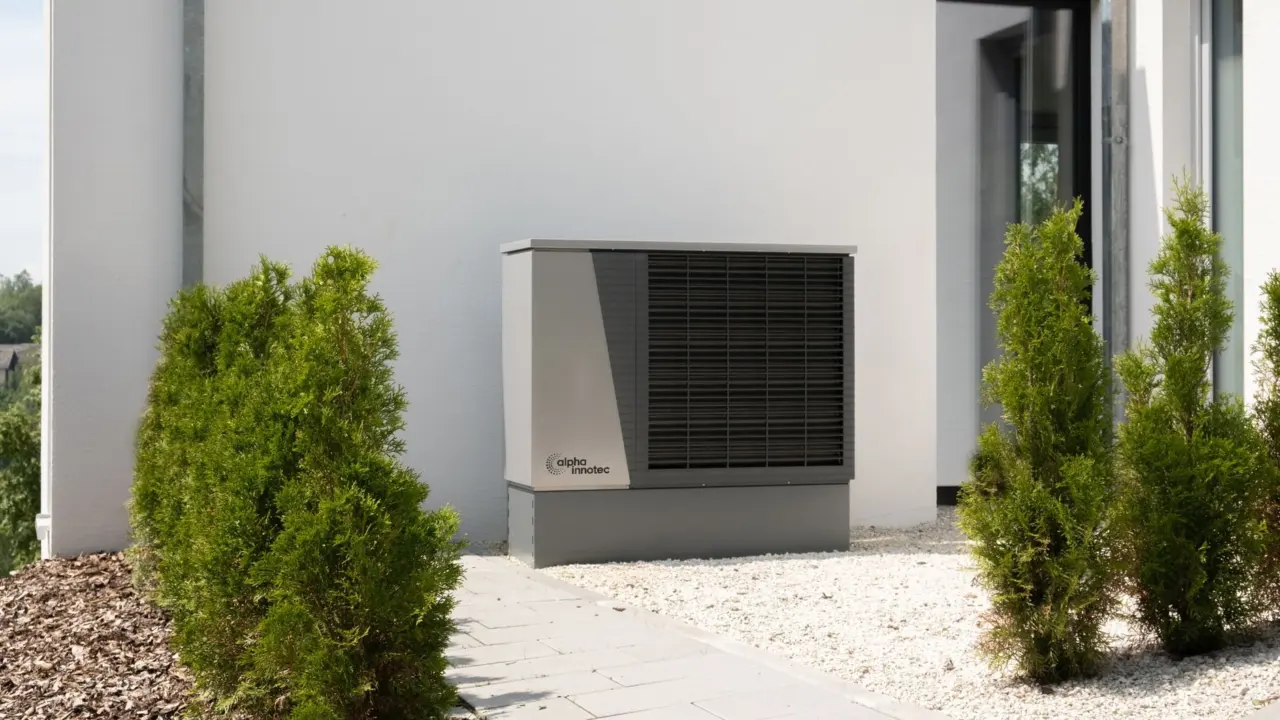
A propane homeowner gets a heat pump quote and wonders whether switching will cut the bill. In the heat pump vs propane furnace comparison, the answer depends on propane price, electric rate and how the heat pump performs at your winter temperatures.
This guide sits within our wider coverage of clean energy technology. It works through the misunderstandings that most often skew the comparison, then ends with a way to decide for your own home.
Efficiency ratings: COP, HSPF2 and AFUE
Heat pumps and propane furnaces are rated on different scales, so comparing the headline numbers directly misleads. A heat pump moves heat instead of burning fuel. Palmetto notes that air source heat pumps run at about 300-400% efficiency, meaning they transfer 3 to 4 units of heat per unit of electricity. That is the idea behind the coefficient of performance (COP): a COP of 3.0 means three units of heat per unit of electricity.
Misunderstanding: a heat pump cannot beat a propane furnace on efficiency
The figure above does not mean a heat pump creates energy. It means the unit transfers heat from outdoors using electricity, so each unit of electricity can deliver several units of heat. Propane equipment burns fuel, and the same Palmetto source puts propane heating system efficiency at up to about 98.5%. Bryant lists its gas furnaces from 80% up to 98.5% AFUE, depending on model, so the age and rating of your existing furnace matters when you estimate savings.
Reading HSPF2 on a datasheet
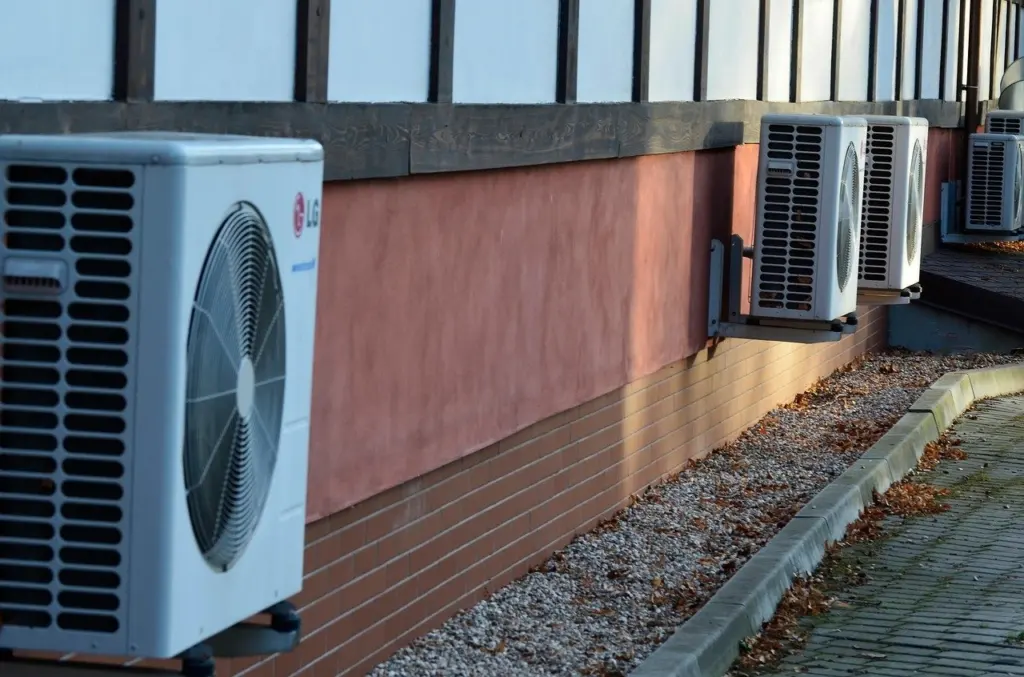
Heat pump datasheets usually quote a seasonal heating rating, HSPF2, rather than a COP. To translate it, divide HSPF2 by 3.412 to get a seasonal COP. A higher rating is better, but neither a COP nor an AFUE figure tells you what a unit of heat costs. That depends on the price of the electricity or propane behind it, covered in the next section.
Side-by-side contrast
| Criterion | Heat pump | Propane furnace | Planning use |
|---|---|---|---|
| How it makes heat | Moves heat using electricity | Burns propane | Tells you which price, electric rate or propane, drives your bill |
| Efficiency rating | Rated in HSPF2; a cold-climate model reaches up to 12.5 HSPF2 | Rated in AFUE; gas furnaces range from 80% to up to 98.5% depending on model | Use the ratings with local prices rather than comparing the numbers directly |
| Summer cooling | Provides AC | Heat only; most homes need a separate air conditioner | Count the cost of cooling equipment on the furnace side |
| Combustion venting | Not required | Required for combustion gases | Affects where and how equipment can be installed |
| Upfront cost | Usually higher than a furnace | Usually lower; furnace plus AC often totals about the same as one heat pump | Price heating and cooling together, not heating alone |
| Service life | Typically 12 to 15 years | Often longer | Weigh against how long you plan to stay and when you would replace |
Figures come from Bryant’s heat pump versus furnace guidance and the LeBlanc HVAC operating-cost comparison.
Running cost for propane homeowners
Whether a heat pump costs less to run than propane depends on the current propane price, the electric rate, propane-system efficiency and heat pump performance at each outdoor temperature, according to LeBlanc HVAC. Several popular beliefs fall apart on that point.
- “A heat pump always costs less to run.” Not automatically. High efficiency helps, but a high electric rate or a low propane price can narrow or erase the gap.
- “There is a magic switch-over temperature.” There is no fixed crossover temperature. It moves with your rates, your propane efficiency, how the heat pump performs in the cold, and how the controls are set.
- “The efficiency rating settles it.” A rating shows how much heat you get per unit of energy. Your bill depends on what that unit costs you.
- “Propane price is the only number that matters.” It is half of the equation. The electric rate is the other half, and the heat pump’s performance on your coldest days sits between them.
A way to compare your own bill
- Collect your propane price from your latest delivery invoice.
- Collect your electric rate from your utility bill.
- Find your furnace’s efficiency rating in its documentation, since an older unit may sit well below the top of the range.
- Ask installers for heat pump performance at the outdoor temperatures your area sees in winter, not only the best-case rating.
- Run both systems through the same estimate and ask each installer to show their assumptions.
That last step is where the quoted savings usually stand or fall, so it pays to see the working. Winter performance deserves its own look.
Cold-weather performance
A heat pump gets less efficient as the temperature drops. CK Smith Superior describes this as physics, not a defect, so a falling reading in a cold snap does not mean the unit has failed.
Cold-climate models
Certified cold-climate heat pumps are tested to work and maintain high efficiency in temperatures at or below zero. Bryant’s datasheet figures show how to read the ratings. Its Evolution Extreme 21 Cold Climate Heat Pump (291VAN) reaches up to 21.2 SEER2 and 12.5 HSPF2. Its Evolution Extreme 23 Variable-Speed Heat Pump (293VAN) reaches up to 23 SEER2 and 10.5 HSPF2 (Bryant). The cold-climate model has the lower SEER2 but the higher HSPF2. For a home dominated by winter heating, the heating rating is the one to weigh.
Keeping propane as backup
Bryant also describes Hybrid Heat systems that switch between electric heat pump operation and gas furnace operation based on system controls and outdoor conditions. For a propane homeowner in a long, cold winter, that pairing is the practical answer to winter worries: the heat pump covers the milder hours and the furnace you already own covers the hardest ones.
Installation, upfront cost and emissions
A heat pump usually costs more upfront than a traditional furnace. The picture changes when cooling is in the plan: a furnace provides heat only, so most homes also need a separate air conditioner, and furnace plus AC often totals about the same as one heat pump. Ask for itemized quotes that price both routes for heating and cooling together, so the comparison is like for like.
Venting and on-site combustion
A gas furnace requires venting for combustion gases, while a heat pump does not. That is a siting and installation difference, and it also separates the two on emissions. Propane heating emits greenhouse gases and pollutants, whereas a heat pump has no onsite combustion (Palmetto). If indoor air and on-site emissions matter to your household, that counts in the heat pump’s favour regardless of the bill.
Which system suits your home
The best choice follows from your prices, your winters and what you need to replace. These are the situations where each option tends to fit.
- Heat pump suits you when your furnace and air conditioner are both nearing replacement. One system then covers heating and summer cooling, and the higher upfront cost is set against two purchases.
- Heat pump plus propane backup suits you when your winters are long and cold. The furnace remains available for the hardest conditions while the heat pump takes on the rest.
- Keeping the propane furnace suits you when the furnace is in good shape, you have no use for cooling, and your own price comparison shows little saving. In that case the lower upfront cost can win.
Electric heating also raises the question of staying powered during outages. Households with medical equipment can read our guide to Portable Power Stations For CPAP: How To Keep Therapy Running During Outages And Travel (2026 Guide) – Fixourfuel, and anyone sizing backup power more generally can use How To Choose The Right Portable Power Station: A Practical Guide For 2026 – Fixourfuel.
Frequently asked questions
| Question | Answer |
|---|---|
| Is a heat pump cheaper than propane? | It can be, but it depends on your propane price, your electric rate, your furnace’s efficiency and how the heat pump performs at your outdoor temperatures. Compare both systems with your own local prices before deciding. |
| What seasonal COP does an HSPF2 of 8.5 equal? | Divide HSPF2 by 3.412 for a seasonal COP, so an HSPF2 of 8.5 is roughly a COP of 2.5. |
| What decides when a dual-fuel system switches between heat pump and furnace? | A dual-fuel design pairs a cold-climate heat pump with a propane furnace or boiler, and the changeover setpoint sets when each one runs. Bryant says its hybrid systems switch based on controls and outdoor conditions. |
| Will my propane furnace cool the house in summer? | No. A furnace provides heat only, while a heat pump also provides air conditioning in summer. |