| Situation | Supported figure or condition | Planning use |
|---|---|---|
| Sizing starting point | An 8-hour night at 50W needs at least 400Wh, and a 500Wh+ power station is suggested as a starting point | Treat 500Wh as the entry level for a single night, then add capacity if you want a spare night or a humidifier. |
| Vendor multi-night range | 1 to 4 nights of continuous CPAP therapy, depending on model and usage | Read it as a best-case range and test your own settings before relying on it. |
| Humidifier on, AC port | A Jackery 300 Plus had 3% left by morning after one night | A heated humidifier can drain a small station in a single night. |
| Humidifier off, cigarette-style adapter | The same Jackery had 84%, 68% and 52% remaining after nights one, two and three | Removing the heat is what turns one night into several. |
The figures above come from a power-station vendor’s CPAP sizing page and a camping reviewer’s overnight Jackery tests.
A portable power station for CPAP keeps therapy running when its watt-hour capacity covers a full night with margin, and the heated humidifier is the biggest variable. Switch it off and use a DC adapter to stretch a battery furthest.
This guide sits within our wider coverage of clean energy technology. It starts with what changes your run time, then moves to sizing, connections and travel.
Humidifier and heated tubing: the biggest run-time factor
The heating element in a CPAP humidifier uses a considerable amount of power, and a reviewer’s camping test was run with the humidifier off and the water chamber empty. The same reviewer swapped heated ClimateAir tubing for unheated Slim Line tubing. The advice from that test is to turn off the humidity setting and use a non-heated hose for the best runtime. A vendor’s CPAP guidance agrees that heated humidification and tubing reduce runtime.
A CPAP retailer goes further and states that a humidifier cannot be used on battery power. Reviewer tests show a humidifier can run from a power station, but for hours rather than nights. The practical reading is that the humidifier is a separate decision with a large cost in battery.
- If your therapy does not need humidity during an outage: leave it off and use unheated tubing. This is the cheapest way to gain nights.
- If you need humidity: size the battery for the humidified machine, not the dry one, and plan on a shorter run per charge.
- If you are unsure what your machine allows: check its manual or ask your equipment provider before relying on any setup overnight.
Run times reported for real units
Run time depends on the device type, the pressure settings and the altitude, according to the CPAP retailer, which gives 1 to 2 nights as a typical battery result. Reported results from named units show how wide the spread is.
- Mid-size station, winter trip: a reviewer’s EASYLONGER ES960 powered a CPAP for four nights and still had a small amount of battery left, as reported on a camping blog.
- Compact station, humidifier running: a travel reviewer got approximately six hours from a full BLUETTI EB3A and 4 hours from a full BLUETTI Elite 10. Both are shorter than a full night.
- CPAP-specific battery packs: a retailer says the Pilot-24 Lite lasts up to 2 nights of full usage with the AirMini, and lists the Zopec Explore 16k at $899.00 as up to 8 nights. Both are vendor claims.
Cold weather shortens runtimes from any lithium power station, so allow extra headroom for winter camping or an unheated room, according to the same travel reviewer. When a winter outage also takes out heating, compare your options in Heat Pump vs Propane Furnace: Which Saves You More in 2026? A Practical Homeowner’s Guide – Fixourfuel.
Sizing for an outage versus a trip
Start from your machine’s nightly draw and the number of nights you must cover. The vendor’s worked case is an 8-hour night at 50W, which needs at least 400Wh, so a 500Wh+ station is a good starting point. Your own machine’s wattage, shown on its label or in its manual, replaces that 50W example.
- Home outage: weight matters less than capacity, so buy for the number of nights you want to cover and keep the humidifier decision in mind. For whole-home backup beyond a bedside unit, see Best Solar Generator For Home Backup In 2026: Reliable Picks, Sizing Tips, And Buying Guide – Fixourfuel.
- Car camping and road trips: the BLUETTI EB3A weighs 4.6 kg (10.14 lbs), which the travel reviewer calls compact enough for car camping. The Jackery 300 Plus weighs just over 8 pounds and lists at $299.99, according to the camping blog.
- Recharge speed: the EB3A took just over four hours from a household outlet. The Elite 10 took about six hours of sunlight under good conditions with a solar attachment. The CPAP retailer gives about 2 to 5 hours depending on battery size, so a quick recharge between nights is realistic for some units but not all.
AC port, DC adapter and CPAP battery packs
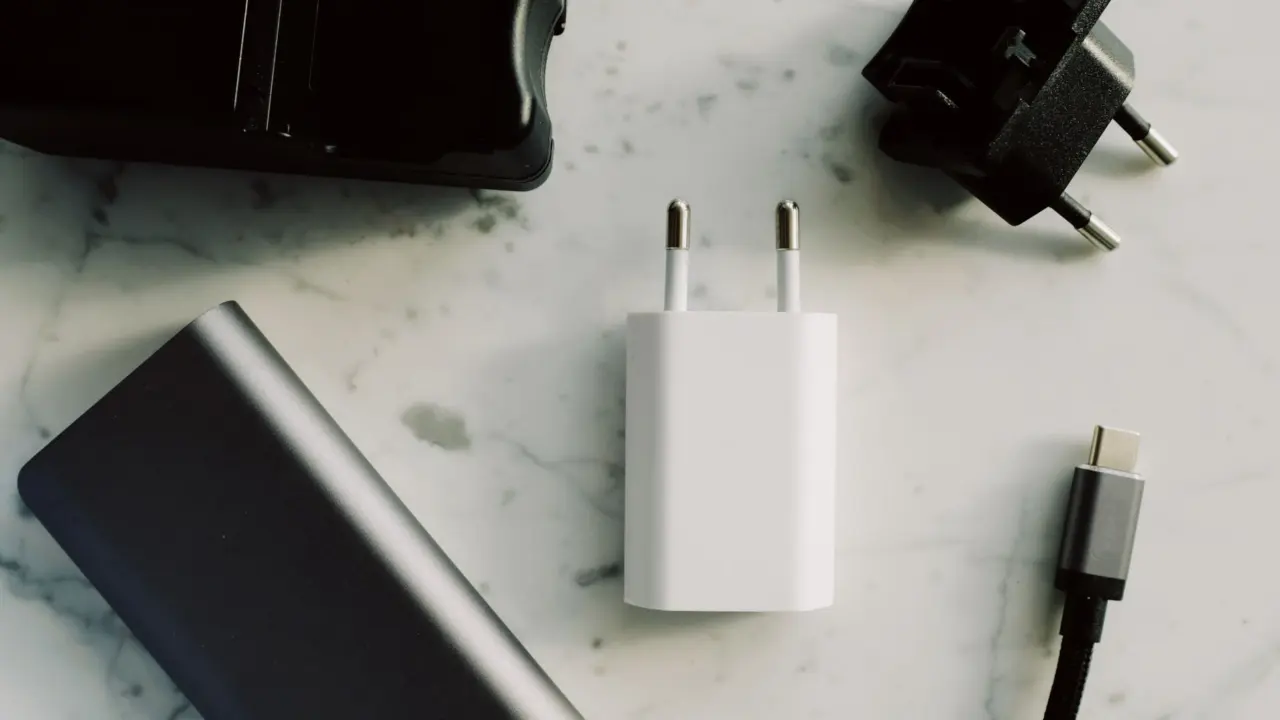
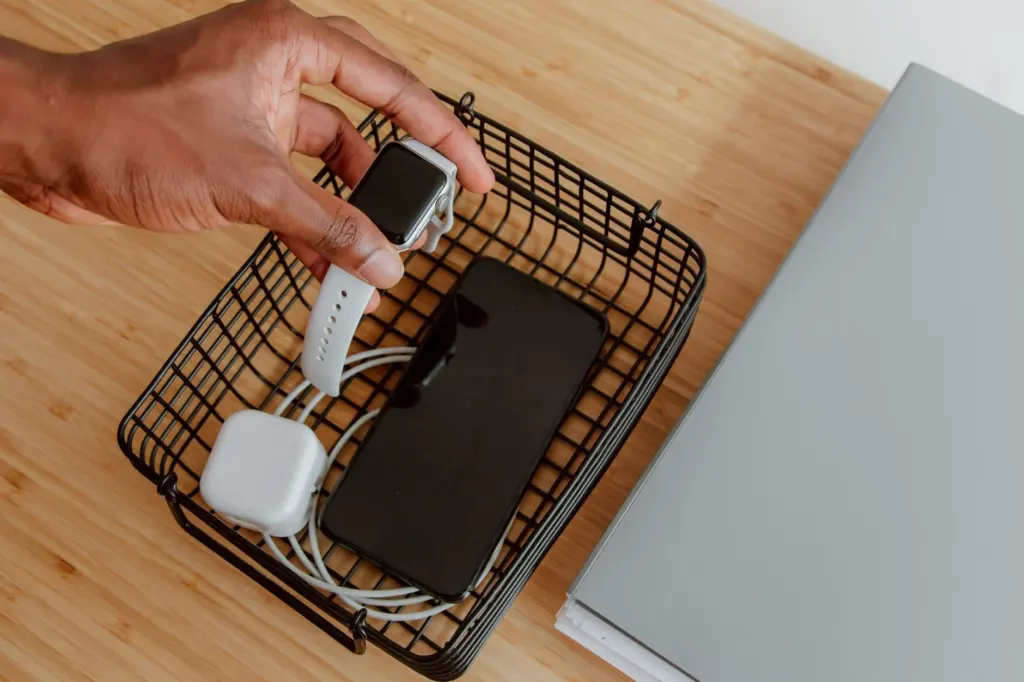
There are three ways to feed a CPAP: the station’s AC outlet, a DC adapter, or a dedicated CPAP battery pack. The AC outlet is the grounded wall-style socket and relies on the station’s inverter. In the Jackery test, the reviewer first plugged the CPAP power supply into that port, and the battery depleted quickly with the humidifier on. A cigarette-lighter-type adapter was then reported to work much better.
DC direct connection looks better on that evidence, but the two tests changed the humidifier setting as well as the connection. Treat it as a strong lead rather than a clean comparison. It suits anyone who runs the machine dry and wants the longest run per charge. The AC outlet remains the simplest choice if you want to plug in the stock power supply without extra parts.
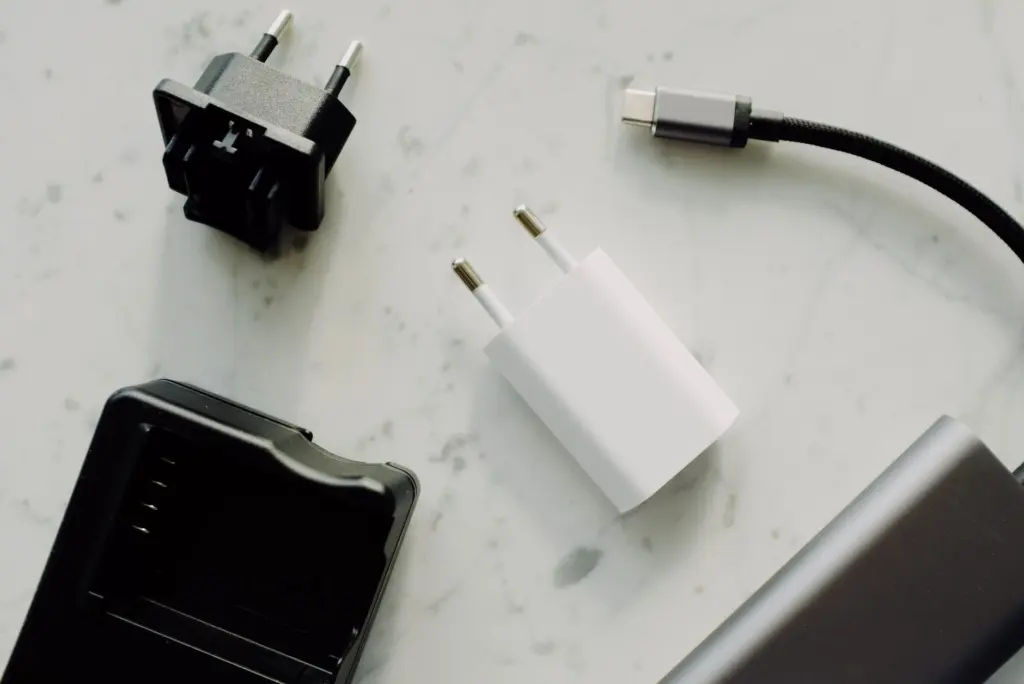
- Adapters included: some stations ship with the cables you need. The ES960 comes with adapters for several CPAP models, so there is no need to buy anything extra, per the camping blog.
- Dedicated battery packs: packs sold for specific machines, such as the Pilot-24 Lite with the AirMini, trade capacity for a compact format.
- Compatibility: confirm with your CPAP maker which DC cable or adapter suits your model before buying.
Battery chemistry, cold and safety
LiFePO4 (lithium iron phosphate) is described by the travel reviewer as safer and longer-lasting than many traditional lithium-ion batteries. That makes it a sensible chemistry to look for if the station will be used nightly. For battery life in general, the CPAP retailer says 400/500 charge/discharge cycles are considered the average lifespan.
A battery station also avoids exhaust. One vendor states that power stations produce zero emissions or hazardous fumes like carbon monoxide, which matters when you compare one with a fuel generator for overnight use. That is a vendor claim, so still keep the unit on a stable surface and follow its manual.
Flying and road travel
The CPAP machine and the power station are separate questions on a plane. One reviewer says a compact CPAP is small enough to bring on airplanes, and a retailer markets its CPAP batteries as letting users fly, drive and travel. Neither source gives an airline battery limit. Confirm your airline’s lithium battery rules before packing a large station, and expect compact CPAP-specific packs to be the easier fit for flights.
For car trips, a mid-size station is easier to justify. The ES960’s four-night winter result and the EB3A’s suitability for car camping both point that way, and a car or solar charger lets you recharge between stops. Test the setup at home for a full night before leaving.
Frequently asked questions
How long will a power station run a CPAP?
It ranges from a few hours with a humidifier on a compact unit to several nights with the humidifier off. A vendor quotes 1 to 4 nights depending on model and usage, and the EB3A ran about six hours with a humidifier in a reviewer’s test.
Can I use a power station on a plane?
The CPAP machine itself can be compact enough to carry on board. A large power station is a separate matter governed by your airline’s battery rules, so check them first. Small CPAP-specific packs are marketed for flying, as on this retailer’s page.
Is DC direct connection better than AC?
Evidence leans that way. A reviewer reported a big improvement after moving from the AC port to a cigarette-lighter-type adapter, though the humidifier setting also changed in that Jackery test.
What size power station do I need for a CPAP?
Work from your machine’s wattage and the nights you need. For an 8-hour night at 50W, the vendor suggests at least 400Wh and recommends 500Wh+ as a starting point. Choose more if you want a humidifier or a spare night.