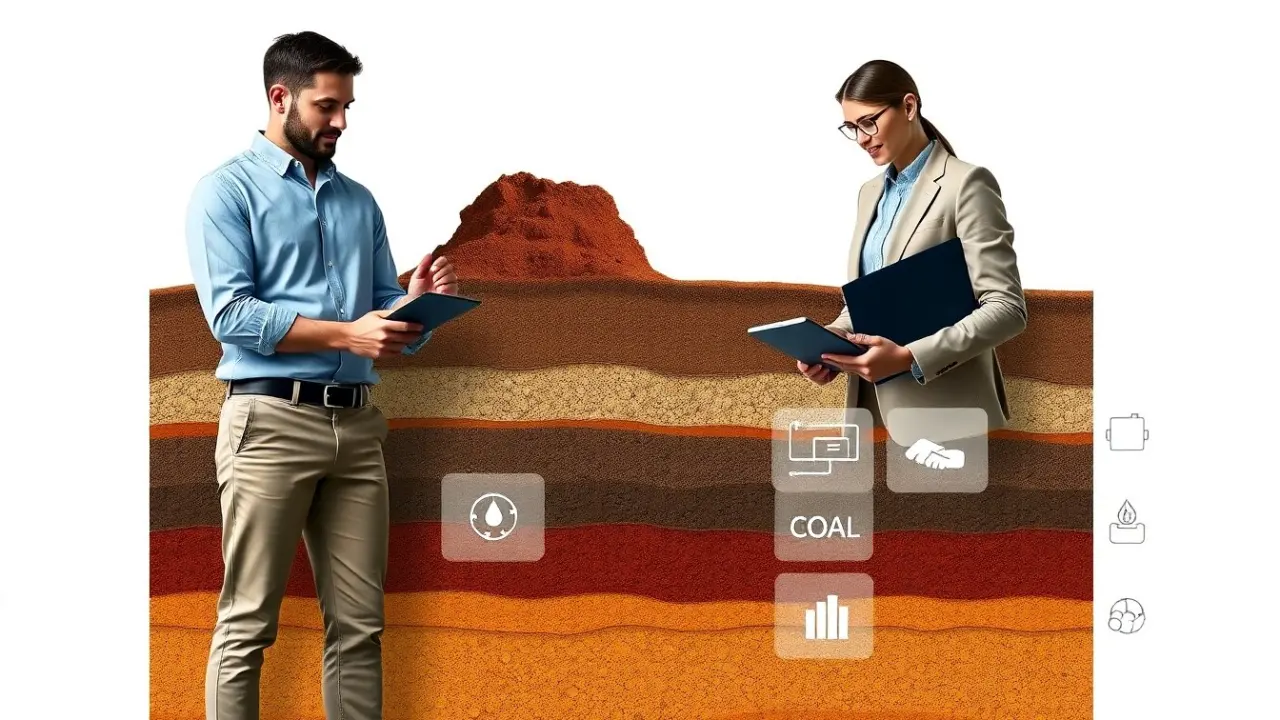
how are fossil fuels created? This guide explains the process step by step. It shows where organic matter comes from, how burial and pressure change it, and how oil, gas, and coal form. It uses current science and clear terms. The reader will learn the main stages and the key factors that control what forms and where it forms.
Key Takeaways
- Fossil fuels form from ancient organic matter like plants, algae, and microbes buried under sediment and transformed by heat and pressure over millions of years.
- Kerogen, created during early burial stages, is the precursor to oil and gas, with its type determining what fuel forms and in what quantity.
- Heat and pressure during catagenesis break down kerogen into hydrocarbons, producing oil at moderate temperatures and gas at higher temperatures.
- Different kerogen types yield different fossil fuels: Type I mainly oil, Type II both oil and gas, and Type III predominantly gas.
- Coal forms through progressive burial and heating of plant debris, transitioning from peat to lignite, then bituminous coal, and finally anthracite with higher carbon content.
- Coal ranks influence their energy content and typical uses, with higher ranks like anthracite offering cleaner, higher heat output for industrial applications.
The Ancient Origins: Where Organic Matter Comes From
Plants, algae, and microbes lived in ancient seas, lakes, and swamps. They died and settled on the floor. Sediment buried the organic layers. Bacteria consumed some material and left carbon-rich residue. The type of living matter determined the starting chemistry. Warm, shallow seas favored algae and plankton. Coastal swamps favored woody plants. The mix of inputs set the potential to form oil, gas, or coal.
Burial, Compaction, And Early Diagenesis: From Plant Debris To Kerogen
Sediment covered organic layers and added weight. Pressure squeezed water out and compacted the material. Chemical reactions changed molecules during shallow burial. Microbial activity declined as conditions became anoxic. Heat from the Earth’s interior began slow chemical change. The process converted soft organic matter into kerogen, a complex, insoluble organic solid. Kerogen retains the original biological signature. The kerogen type controls later oil or gas potential.
Heat, Pressure, And Catagenesis: How Kerogen Turns Into Oil And Gas
As burial continued, temperature rose and pressure increased. Heat broke large kerogen molecules into smaller hydrocarbons. This stage, catagenesis, produced oil first and then gas with deeper burial. Migration began when liquids and gases escaped the source rock. Trap rocks and seals held hydrocarbons in place. Geological timing determined whether hydrocarbons accumulated or leaked. The rate of heating and depth controlled the balance between oil and gas formation.
Types Of Kerogen And What They Produce
Type I kerogen comes from algal material. It yields large amounts of oil at relatively low thermal maturity. Type II kerogen comes from mixed marine organic matter. It yields both oil and gas over a broad maturity range. Type III kerogen comes from land plants and produces more gas and some oil when deeply buried. Geologists test kerogen type with Rock-Eval and microscopy. The test results guide exploration and predict reservoir quality.
Thermal Maturation Windows: Oil Versus Gas Formation
Temperature sets the maturation window for hydrocarbons. Oil forms roughly between 60°C and 120°C in many basins. Gas forms at higher temperatures, often above 120°C. Shallow burial with low heat yields immature kerogen and little hydrocarbon. Rapid burial with higher heat pushes kerogen into the oil and gas windows faster. Time matters: slow heating can produce similar results as faster heating if exposure lasts longer. Geologists map burial history to predict which windows a source rock passed through.
Coal Formation: Peat, Lignite, Bituminous, And Anthracite
Coal starts as peat in waterlogged wetlands. Plant debris accumulates faster than microbes can decompose it. Burial compresses peat into lignite with low carbon content. Deeper burial and higher temperatures convert lignite into bituminous coal with higher carbon and energy content. Even more heat and pressure convert bituminous coal into anthracite with the highest carbon concentration. Each step drives out water and volatile compounds and increases fixed carbon.
Coal Ranks, Properties, And Their Typical Uses
Lignite contains about 25–35% carbon and serves mostly in local power plants. Bituminous coal contains about 45–86% carbon and powers many industrial boilers and steel production. Anthracite contains above 86% carbon and burns cleaner with higher heat per mass, so industries use it for specialty heating and metallurgical needs. Rank correlates with energy density and sulfur content often drops with higher rank. Engineers choose coal rank by heat value, ash behavior, and emissions requirements.