The most practical alternative to fossil fuels today is renewable electricity, mainly solar and wind, backed by storage. Hydrogen and biofuels cover the jobs electricity cannot, and cutting demand comes first.
This guide ranks the options by cost, readiness and what a household or business can switch to now. For the wider picture of clean power, see our renewable energy hub.
Why coal and natural gas are being replaced
Replacing a fossil fuel means replacing separate jobs: producing energy, having it available when needed, and delivering it in a usable form. Different alternatives do different jobs, which is why no single technology is the answer.
The Climate Initiative describes oil, coal and natural gas as some of the largest contributors to greenhouse gas emissions and climate change. It also states that fossil fuels are no longer the cheapest energy source. An energy-supplier overview of alternative energy sources lists oil, coal and petroleum as the most commonly used fossil fuels.

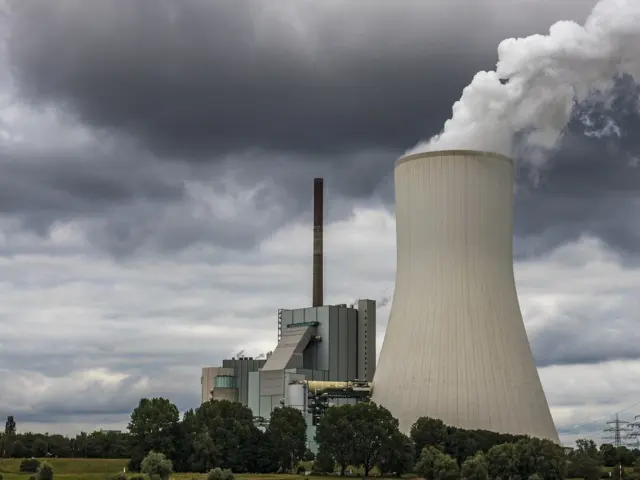
Natural gas is the awkward case. It accounted for 24.2% of the world’s energy needs in 2019, and it is a fossil fuel that burns relatively cleanly. That cleaner-burning reputation does not make it an alternative to fossil fuels. It belongs on the list of things being replaced, even if it burns more cleanly than coal. Coal is the clearest target because it is among the most widely used fossil fuels and a major emissions source.
Main alternatives for electricity
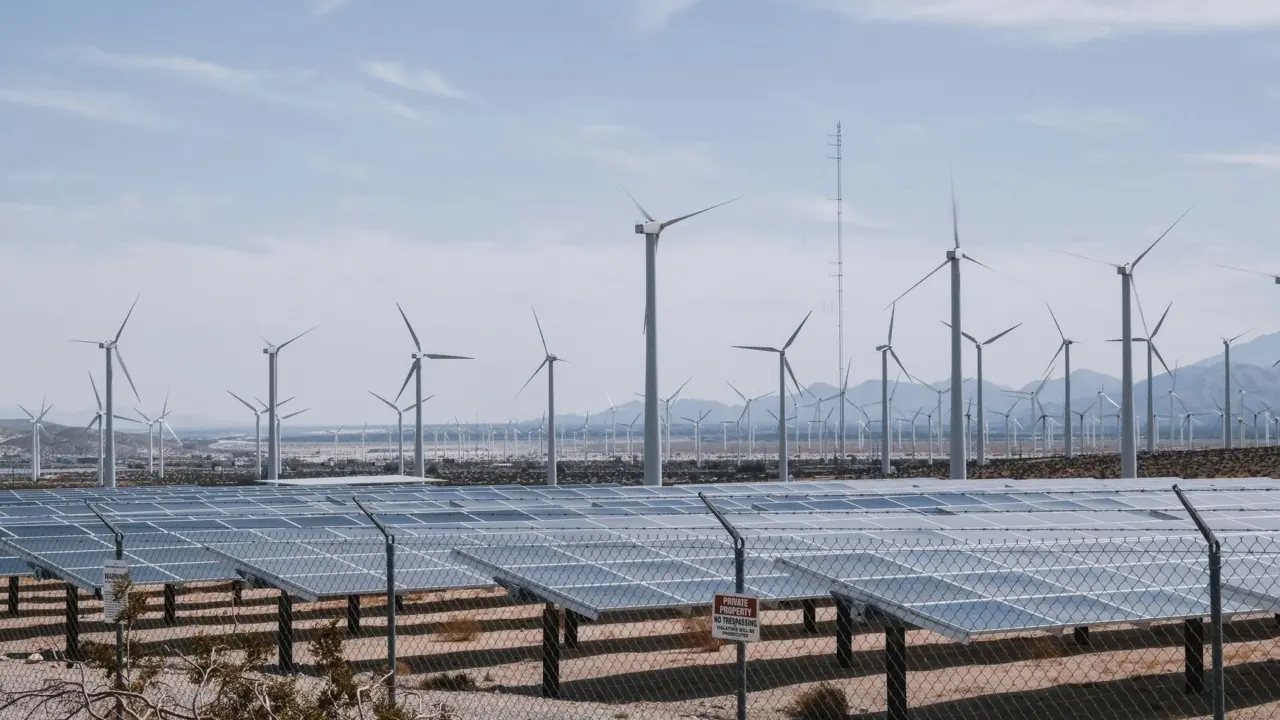
Renewable energy is generally thought of as solar, wind, geothermal, hydropower and biomass. Together these cover most of what a grid needs. Each fits a different setting, so the useful question is which one matches your location.
Solar power
Silicon-based solar technology, the most established, has an efficiency of 26% and a lifespan of 20-25 years, according to Penn State’s Institutes of Energy and the Environment. The same source says solar is highly efficient in hot climates. Efficiency figures describe different things, though. Installed panels are described as converting around 17-19% of the solar energy they receive, so use the lower range when sizing a real system.
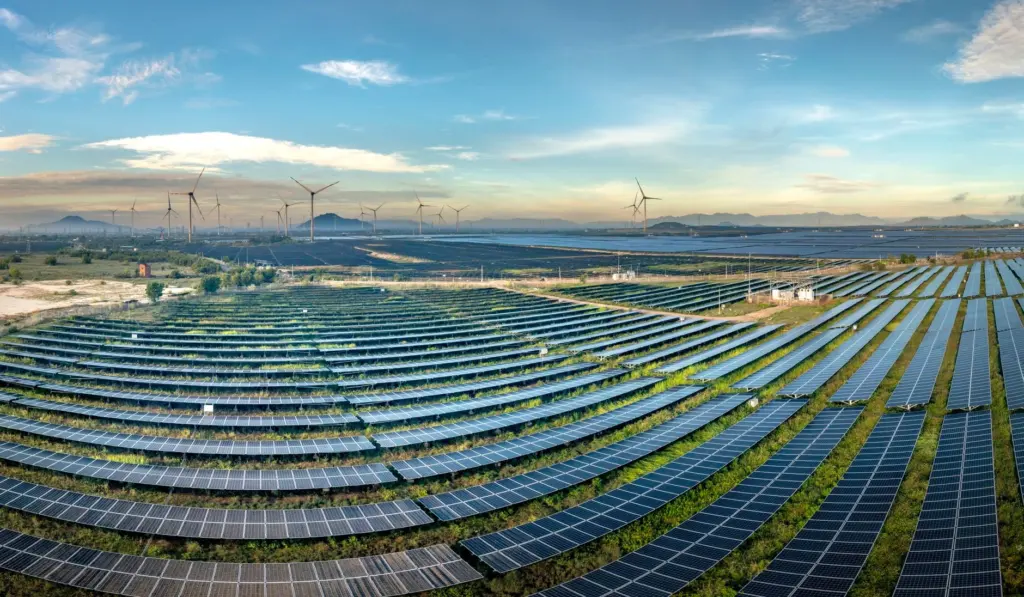
Solar’s weakness is timing. It needs complementary storage such as batteries to be fully accessible around the clock. At utility scale, China is the global leader in solar power, with large-scale solar farms.
Wind power
Wind energy is more suitable for regions with high natural wind speeds, so local wind records matter more than general enthusiasm for turbines. An energy-supplier overview puts wind efficiency at 35-50% usually, with a 59% maximum. Treat 59% as a ceiling, not a planning figure.
Wind can supply most of a grid when conditions suit. Wind farms and other renewable sources supplied 90.1% of Scotland’s electricity. That is a regional result built on strong local wind and a particular grid, not a promise for every country.
Hydropower and other steady sources
Hydropower is the most efficient source in the supplier overview, converting around 90% of the energy it captures into electricity. Geothermal and biomass complete the standard renewable list. Households rarely choose these directly. They matter through the electricity mix your utility buys, so ask your supplier what that mix contains.
Cost and readiness at a glance
The table ranks the main options by how ready they are to switch to now, with the strongest measured figures available for each.
| Option | Measured figure or condition | Best fit | Planning use |
|---|---|---|---|
| Solar power | 26% efficiency, 20-25 year lifespan for silicon | Hot climates; needs batteries for 24/7 supply | Strongest switch-now option for homes and businesses with good sun; plan storage alongside |
| Wind power | 35-50% usual efficiency, 59% maximum | Regions with high natural wind speeds | Ready at utility scale; check local wind speed before committing |
| Hydropower | Around 90% of energy converted to electricity | Established grid supply | Reach it through your utility’s supply mix |
| Energy storage | Batteries needed for round-the-clock solar | Paired with solar | Budget for it with any solar plan that must cover evenings |
| Green hydrogen | Electrolysis splits water, leaving hydrogen and almost no pollutants | Uses that need a fuel rather than grid electricity | A longer-term route for industry and transport planners |
| Biofuels | Ethanol made from corn and plant materials | Liquid-fuel uses | Relevant where a liquid fuel is still needed |
Figures come from Penn State’s Institutes of Energy and the Environment and an energy-supplier overview. Efficiency figures describe different technologies and are not directly comparable measures of cost.
Which alternative is cheapest
Renewables are the cheapest form of power today, according to a report from the International Renewable Energy Agency that the United Nations reported on 19 July 2022. This is a ranking of renewables against other power, not a ranking among solar, wind and hydro.
Choose between renewables by local resource. Solar is highly efficient in hot climates, and wind suits regions with high natural wind speeds. The cheapest option for a given place is usually the one with the strongest local resource.
Fossil fuel prices also look lower than they are. The Climate Initiative cites $5.2 trillion in global fossil fuel subsidies in 2017 as part of the reason. When a quote for coal or gas power looks cheap, check whether subsidy is holding it down.
Storage and fuels where electricity falls short
Energy storage
Storage is what makes solar usable after dark. Batteries are the form named in the evidence, and they are the practical companion to any solar plan that must cover evening demand. For a household, that means pricing solar and batteries as one package, not as an optional extra.
Green hydrogen
Technology exists to split water by electrolysis, leaving hydrogen and creating almost no pollutants. Hydrogen is only as clean as the electricity feeding the electrolyser, which is why it is called green when renewables supply the power. For most households it is not a switch available today. It matters mainly for energy planners who need a fuel instead of grid electricity.
Biofuels
Liquid biofuels such as ethanol are made from corn and plant materials. They are called renewable because the source material can be replaced within a human lifetime. They suit situations that still require a liquid fuel, which makes them a complement to electric options rather than a replacement for them.
Switching a household now
Start with demand, then move to supply. The steps below are ordered by how quickly a household can act on them.
- Audit the home. An energy audit can help improve insulation and prompt upgrades to energy-efficient appliances, according to The Climate Initiative.
- Adjust the thermostat. Setting it 2°F lower in winter and 2°F higher in summer can cut up to 2,000 lb of CO2 a year, with the saving varying by season.
- Swap the lighting. Replacing 30 incandescent bulbs with LEDs is cited at 3,000 lb of CO2 reduced in a year.
- Consider solar with storage. This suits homes in hot, sunny climates. Price panels and batteries together, since solar alone does not cover the evening.
- Check the running cost of electric appliances. Before adding one, compare guides such as How Much Electricity Does a Hot Tub Use? A Practical Cost Guide for 2026 – Fixourfuel and How Much Electricity Does An Electric Fireplace Use? Real Costs, Power Draws, And Easy Ways To Save (2026) – Fixourfuel.
Businesses follow the same order. Reduce demand first, then add solar and storage where the site is sunny, and look at biofuels or hydrogen only where a fuel is still required.
Frequently asked questions
Is natural gas a cleaner alternative to coal?
Natural gas burns relatively cleanly, but it is still a fossil fuel and one of the largest greenhouse gas contributors. Treat it as something to replace over time.
Can solar panels work without batteries?
They generate while the sun shines, but need storage such as batteries to supply power around the clock.
Is hydropower better than wind?
Hydropower converts around 90% of energy to electricity against 35-50% usual efficiency for wind. Wind can still be the better choice in places with high natural wind speeds and no suitable hydro resource.
What makes hydrogen green?
Hydrogen is produced by splitting water with electrolysis, and the process is considered clean when the electricity comes from renewables.