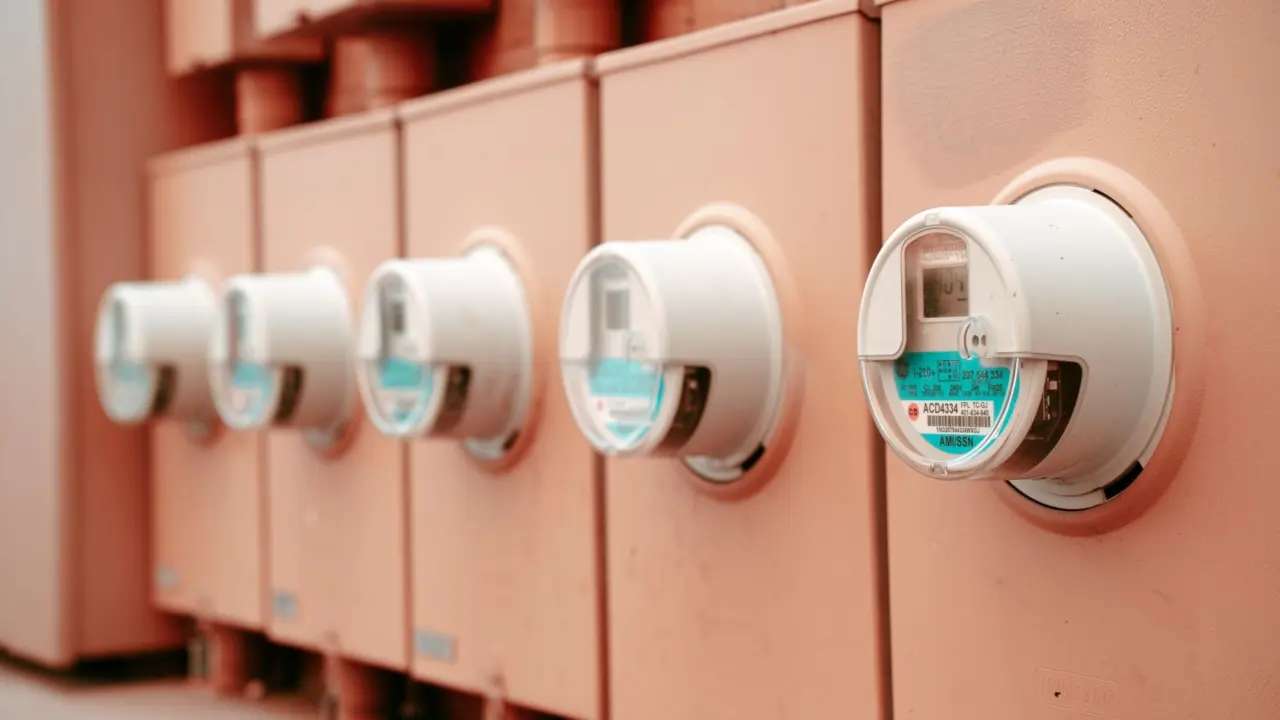
A kwh calculator cost estimate multiplies an appliance’s watts, divided by 1,000, by its hours of use and your price per kWh. The result covers energy charges only. Fixed fees, taxes and demand charges are added on top.
The method works for any plug-in device and for a whole household once you add the results together. It also connects to the wider topic of renewable energy, because the price you pay per kWh shapes how worthwhile any efficiency or generation change turns out to be.
What a kilowatt-hour measures
A kilowatt-hour is a unit of energy, and a watt is a unit of power. One kWh represents 1,000 watts of power sustained over one hour. Your meter adds up energy over time, and the utility bills that total. The power rating on an appliance tells you how fast it draws energy, not how much it uses over a month.
The distinction matters because kilowatt-hours describe energy accumulated over time. A load of 1 kW held constant for 2 hours therefore uses 2 kWh. A small load can still add up when it never switches off: a device drawing 100 W for a full day uses 2.4 kWh. At a price of $0.30 per kWh, that device costs $0.72 per day, or $21.60 over 30 days.
With energy and power separated, the calculation itself becomes a short sequence of stages.
The cost formula, stage by stage
The core formula is cost = (watts ÷ 1,000) × hours × price per kWh. Work through it in this order so each stage feeds the next.
- Find the wattage. Read the appliance label or manual. Labels give the rated power, which is a ceiling for many devices rather than what they draw all the time.
- Convert to kilowatts. Divide watts by 1,000.
- Multiply by daily hours and quantity. The daily energy figure is power in watts × hours per day × quantity ÷ 1,000, which gives kWh per day.
- Scale to the billing period. Multiply daily kWh by the number of days in your cycle.
- Apply your price. Multiply total kWh by the per-kWh rate from your own bill.

Worked example: a space heater
Take a 4,500 W water heater running 3 hours a day at $0.16 per kWh. That is $43.20 per month. The same steps work for any other appliance: change the watts, hours and price, and the answer follows.
Where the estimate stops
A calculator built on this formula leaves out fixed fees, taxes, demand charges, tiered rates and time-of-use pricing. Treat the figure as the energy portion of the bill. Add the fixed charges from a recent statement to compare your estimate with what you actually pay. If the two differ by a large margin, look for loads you missed or hours you overestimated.
Choosing the rate to multiply by
Your own bill is the best source for the price per kWh, because rates differ by utility and plan. National averages are useful as a sanity check or when you are budgeting before you have a bill.
The U.S. Energy Information Administration reports that average revenue data for August 2026. Across all sectors the figure was 14.87 cents per kWh, up 5.1%. EIA calculates average retail revenue per kWh as a proxy for retail rates and prices, so it is a derived average rather than a tariff you can look up on a rate sheet.
The spread between states is wide. In August 2026, California, Massachusetts and Rhode Island had the highest average revenues at 29.02, 26.42 and 25.34 cents per kWh. North Dakota, Louisiana and New Mexico had the lowest at 8.91, 9.86 and 10.08 cents. Someone in a high-price state will see the same appliance cost far more than someone in a low-price state. A national average is therefore a poor stand-in for a local estimate.
If you want to compare plan structures, the Utility Rate Database provides rate structure information for over 3,700 U.S. utilities. It is a practical place to look up the tariff details behind a rate.
Appliance quick reference
Heating loads and long-running loads dominate most estimates. The table below uses the figures that are available for common items, and the last column says how to use each one.
| Appliance | Power and use pattern | Result | Planning use |
|---|---|---|---|
| Space heater | 1,500 W, 6 hours/day | 270 kWh/month; $43.20/month at $0.16/kWh | Treat electric heating as the first line to check in cold months. |
| Electric water heater | 4,500 W, 3 hrs/day | $64.80/month at $0.16/kWh | The highest-cost item here; worth modelling before anything else. |
| Window air conditioner | 600–900 W, 8 hours/day | 144–216 kWh/month | Use the range, then narrow it with a plug-in meter if you can. |
| Refrigerator | Compressor runs about 8 hours out of every 24 | Use average run time, not full-day hours | Multiply the label wattage by run time, not by the whole day. |
| Standby electronics | 1 to 5 W each | Small per device, continuous | Count the number of devices left plugged in before deciding it matters. |
Figures come from an electricity cost calculator’s worked examples and a second calculator’s typical-load table; actual use varies with the model and how it is used.
What the pattern tells you
The appliances that use the most electricity are those that produce heat or cool a space: the water heater and space heater in the table are both well above anything in the standby row. A standard refrigerator runs roughly 8 hours out of every 24, so entering 24 hours overstates its use. Standby loads are tiny individually, but they never stop, so they matter when there are many of them.
Laundry is a good example of a mixed load, with a motor and, in many homes, a heating element. The guide on How Much Electricity Does a Washer and Dryer Use? Real-World Cost Estimates And Ways To Cut Usage (2026 Guide) – Fixourfuel applies this same calculation to those machines. For cooling, How Much Electricity Does a Window AC Use Per Month? Simple Calculations, Real Examples & Cost-Saving Tips (2026) – Fixourfuel takes the window AC range above further.
Time-of-use rates and demand charges
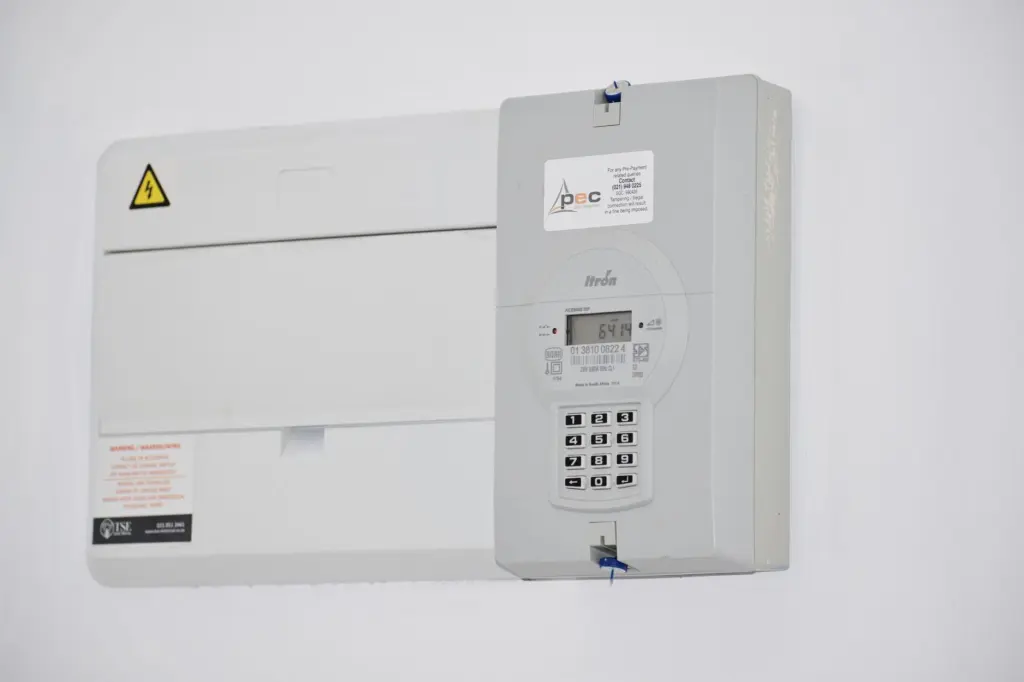
A time-of-use tariff charges different prices at different hours, so a single per-kWh number no longer describes the bill. Running appliances during off-peak hours, the times of day when electricity prices are less expensive, lowers the cost of the same energy. Peak windows are typically late afternoon and early evening, for example 4 PM to 9 PM. That window is only an illustration, not a specific tariff, so check the hours your utility uses.
Modelling a time-of-use plan
Split each appliance’s daily hours into the tariff’s peak and off-peak periods, apply the matching price to each portion, and add the results. The formula is unchanged; only the price differs by block. Time-of-use pricing helps most for flexible loads you can schedule, such as laundry or charging, and helps least for loads that must run at set times, such as evening cooking or lighting.
Demand charges
A demand charge is billed on the highest rate of power draw rather than on total energy used. A per-kWh calculator cannot capture it, which is why such tools list demand charges among the items they exclude. If your plan includes one, avoid running several heavy loads at the same moment and read the tariff document for how it is measured.
Frequently asked questions
Does the estimate include fixed fees and taxes?
No. The formula covers energy only. Add the fixed fees and taxes from your bill to reach a total.
Should I use the national average rate in my calculation?
Use it only when you have no bill to hand. State averages in August 2026 ranged from 8.91 to 29.02 cents per kWh, so the rate on your own statement gives a far better estimate.
Does a refrigerator count as running all day?
Not for the calculation. Standard refrigerators run their compressors roughly 8 hours out of every 24, so use that average run time instead of a full day.
How much do devices on standby add?
Standby devices often draw 1 to 5 watts each. The amount is small per item, but it adds up across a home with many plugged-in electronics.