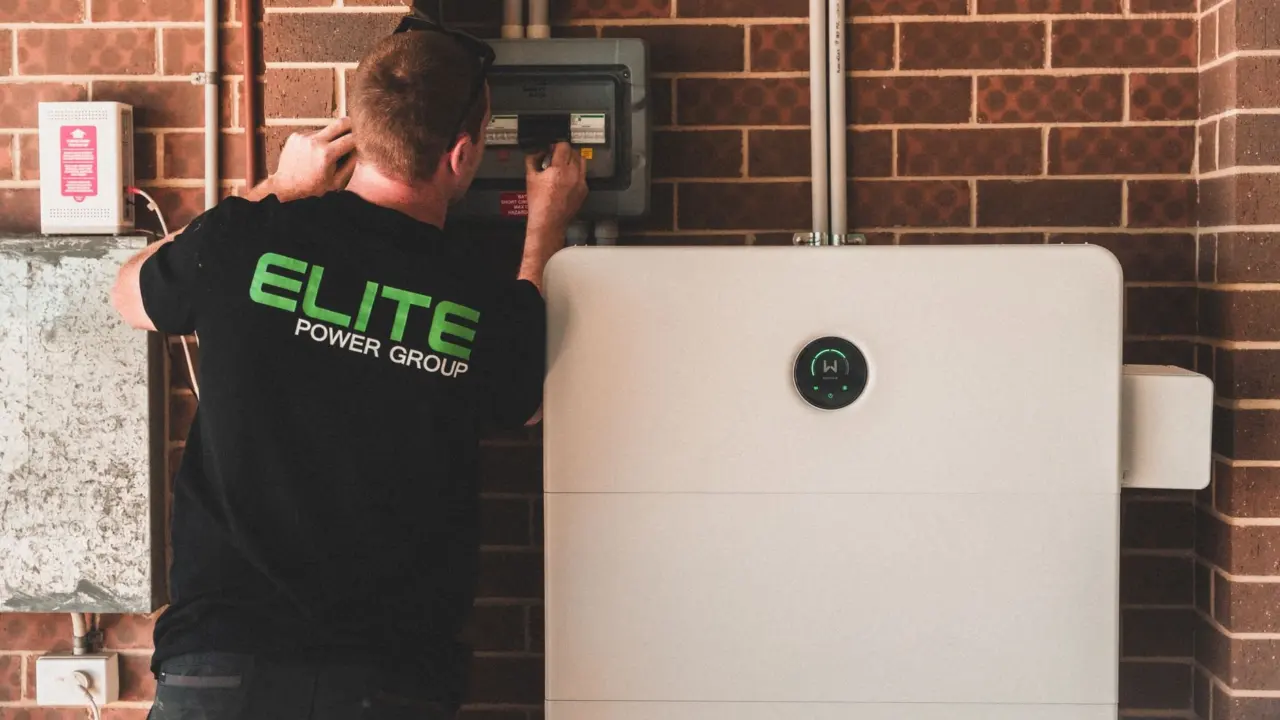
Whole home battery backup without solar works when the battery recharges from the grid: it fills while power is available, then carries your chosen circuits through an outage. Size it from an audit of critical loads.
This guide covers how grid-charged storage behaves, which circuits to protect, how to size capacity and what drives cost. It sits within the wider field of clean energy technology.
How grid-charged battery backup works
A standalone home battery stores electricity from the utility grid and releases it when you need it. No rooftop panels are involved. Boston Solar describes standalone batteries as units charged by the electric grid that can store electricity for later use. The battery is the only energy asset in the system, so its charging source matters more than it does in a solar-plus-storage setup.
Charging from the grid
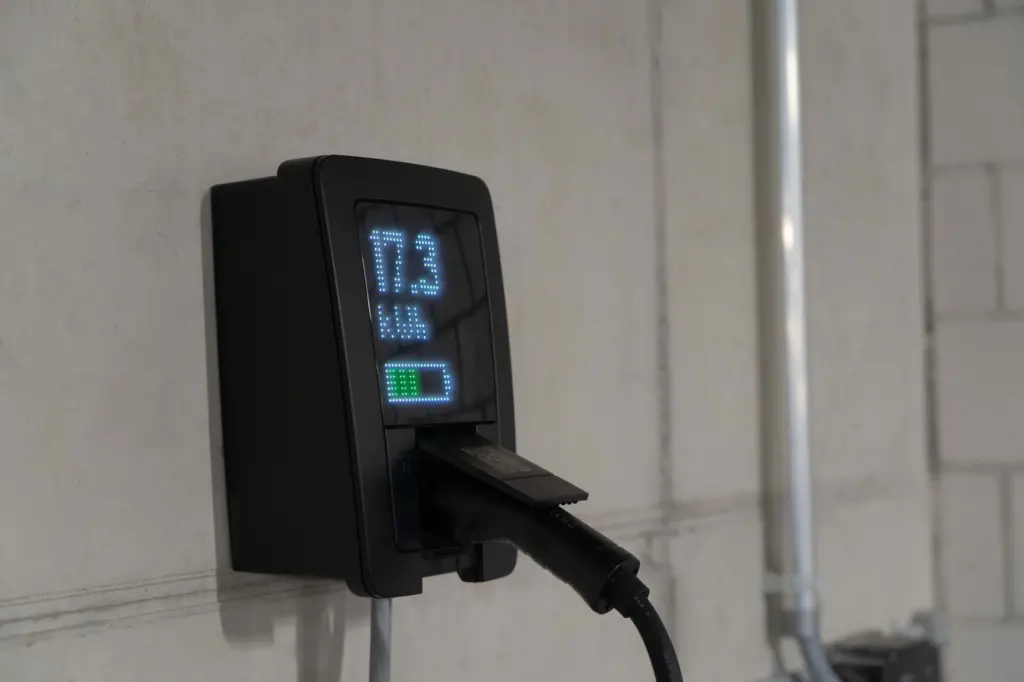
A non-solar system draws electricity from the grid during off-peak hours and holds it until it is needed, according to Seplos. That makes the utility tariff part of the design. A battery that refills on cheaper off-peak power serves the same circuits during an outage and also during pricier hours.
Switching during an outage
Boston Solar notes that a standalone battery can disconnect from the grid during an outage and power the home. Your electrician decides which circuits it feeds, which is why the load decisions below come before any product choice.
When battery-only backup is worth it
It is worth it when your main goal is keeping essential circuits running and you either cannot fit solar or do not want it. Battery storage without panels is a workable route for a house that suits the idea, and installers point to homes that are not viable for solar as a good fit. Shaded roofs and homes where panels are impractical are the obvious cases.
The condition is that the battery has a way to recharge. EcoFlow states that running a backup battery without solar only holds if you have a different way to charge it. For most households that means the grid, so the system protects you against outages that end and leaves you exposed to ones that run long.
It is less compelling if you expect the battery to repay itself quickly through rate arbitrage alone. The savings depend on how much your on-peak and off-peak rates differ, covered in the cost section below. Treat bill savings as a bonus on top of resilience, not the reason to buy.
Choosing critical loads
Critical loads are the circuits you want powered when the grid is down. Start by auditing the peak draw of the key devices you need during an outage, as OUPES advises. Peak draw matters because a battery system has to supply the highest simultaneous demand, not just an average.
- Protect first: anything tied to health, safety or food, such as medical equipment, refrigeration and communications.
- Add by comfort: lighting and other everyday circuits you would miss within hours.
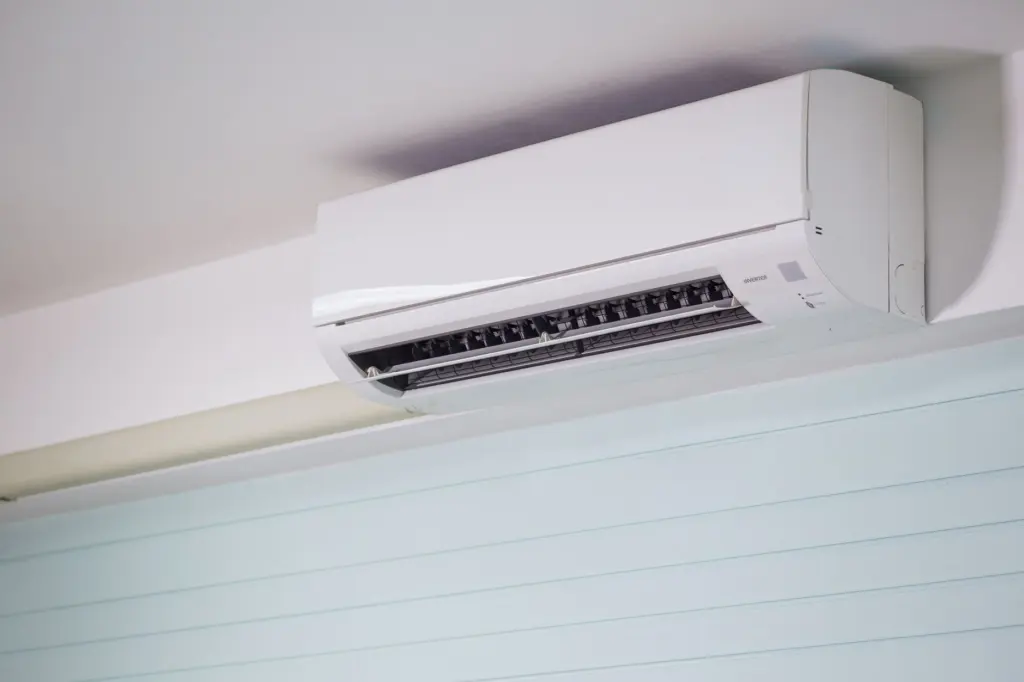
- Decide on big loads deliberately: air conditioning and other heavy appliances change the size of the whole system, so include them only if you truly need them in an outage.
Once the list is written, label the circuits in your panel so the electrician can wire the protected set cleanly.
Sizing capacity and power
Sizing has two parts: how much power the system can deliver at once, and how much energy it stores. Power is limited by the equipment you connect to. EcoFlow points out that standard household plugs deliver only 1800W, so a plug-in unit has a hard ceiling that a hardwired whole-home design does not share.
| Sizing step | Guidance | Planning use |
|---|---|---|
| Audit loads | Check the peak draw of the key devices needed during an outage | Sets the power rating the battery and inverter must meet |
| Add headroom | Allow a minimum buffer of 25% for future power needs | Treat it as a floor, not a target; add more if you expect new appliances |
| Check outlet limits | Standard household plugs deliver only 1800W | If your critical loads exceed it, plan for hardwired circuits rather than plug-in use |
| Plan for expansion | The DELTA Pro can be expanded with Smart Extra Batteries for whole-home backup | Choose a system that can grow if your first estimate runs tight |
Figures come from OUPES for the audit and buffer and EcoFlow for the plug limit and expansion.
The practical lesson is to buy for the loads you listed plus headroom, and to favor expandable products when you are unsure. Oversizing on day one costs money, while a system that cannot expand locks you into your first guess.
Battery chemistry and lifespan
Lithium chemistry is the usual choice for home backup. Seplos notes that modern lithium-based technologies, especially LiFePO4 batteries, provide high energy density and long lifespans. LiFePO4 is lithium iron phosphate, a common lithium-ion variant for stationary storage.
When you compare products, ask for the manufacturer’s warranty terms and any stated cycle life instead of relying on a general claim of longevity. A long warranty is more useful to a buyer than a chemistry label alone, because it says what the maker will stand behind.
Cost and time-of-use savings
No single price fits every home, because cost depends on the capacity you choose, the inverter and electrical work your panel requires, and the product. Ask installers for itemised quotes that separate the battery, the equipment that connects it to your panel and the labor, so you can compare like with like. Compare warranties alongside price.
Running costs depend on your tariff. In Massachusetts, Boston Solar explains that on-peak rates are higher than off-peak rates, and the gap varies by season and time of day. You can charge the battery off-peak, then switch the home to battery power during on-peak hours to avoid the higher rates. Check your own utility’s schedule before counting on this: a small gap between peak and off-peak prices means little saving, and a tariff with no time-of-use structure offers none.
Alternatives to consider
A battery is one way to cover outages. If you want a different clean backup source, the Hydrogen Fuel Cell Home Generators: A Practical Guide To Clean Backup Power In 2026 – Fixourfuel guide compares a fuel-cell approach. If your need is portable power rather than a fixed installation, the Best Solar Generator for Camping: Power, Portability, and Top Picks for 2026 – Fixourfuel guide covers units built for that purpose.
Frequently asked questions
Is a standalone battery a good fit if my house cannot take solar panels?
It can be. Boston Solar says that if a house is not viable for solar panels, standalone battery storage may be a good fit. Confirm the grid-charging arrangement with your installer.
Can a portable power station back up a whole home?
Only when it is expanded. EcoFlow says its DELTA Pro can be expanded with Smart Extra Batteries to create a whole-home backup solution. Without expansion, a plug-in unit is limited by the 1800W a standard household plug delivers.
What if an outage outlasts the stored energy?
Without solar, the battery refills only through its other charging route, usually the grid. Once the stored energy is gone during a long outage, it cannot recharge until another source is available, so size capacity around your most important circuits.