The best solar generator for camping is one whose battery covers your daily watt-hours and whose panel can refill it in the sun you will actually get; for weekend car camping with a small group, plan on a battery sized to your daily watt-hours.
That range is a starting point, not a verdict. Battery size, panel size and trip length all interact, so this guide works through the logic first and then matches kit to trip type. It sits within our wider coverage of clean energy technology, where portable storage meets everyday use.
How the panel, battery and output fit together
A camping solar setup moves energy in stages. The panel turns sunlight into electricity, the power station’s lithium battery stores it, and the station’s ports deliver it to phones, lanterns and laptops. Each stage can be the bottleneck, which is why a large battery with a small panel often disappoints on a long trip.
Two units matter and they are easy to confuse. Watts describe how fast a device draws power. Watt-hours describe how much energy the battery holds, so they decide how long the device keeps running. Panel size follows the same logic: Goal Zero notes that a larger panel with higher watts generates more electricity over the same time.
The catch is that a panel’s label is a ceiling. One camping guide points out that a solar panel almost never delivers its rated wattage in real conditions. Treat the rated figure as the best case and plan around something lower.
Sizing the battery in watt-hours
Start with what you will run, not with a product. A short written list of devices turns a vague “how big?” into a number you can compare against any station’s capacity.
- List every device you plan to charge or run, including phones, a lantern, a laptop and any small appliance.
- Find each device’s wattage on its label or power adapter.
- Multiply watts by the hours you expect to use the device each day to get its watt-hours.
- Add the totals to get your daily watt-hours.
- Compare that total with the station’s rated capacity, and round up rather than down.
Laptops show how wide the spread can be. A laptop draws roughly 30–65 W, which works out to about 6.5–14 hours of running time on a 500Wh station. The same battery therefore gives very different results depending on the machine and how hard you work it. If you plan to work on a laptop at camp, check its adapter rating before deciding that a half-kilowatt-hour class unit is enough.
Choosing a range by trip length
For a weekend of car camping, the same guide recommends a planning range based on the number of people and the devices you will run. That suits lights, phone charging and occasional laptop use. If your list includes anything that runs for hours at a time, your daily total will climb quickly, and a bigger battery or a longer sun window stops being optional.
A bigger battery is not automatically the better buy. Capacity you cannot refill during the trip is dead weight after the first day or two. Size the battery to your daily total, then check that your panel and sun can realistically replace it, which is the subject of the next section.
Solar input and recharge time
Recharge time depends on three things: the panel’s real output, the station’s solar input limit and the hours of strong sun. For the sun, a camping guide gives roughly 3 to 6 peak sun hours per day as typical in the US. Shade, season and panel angle can push a given day toward either end or outside it.
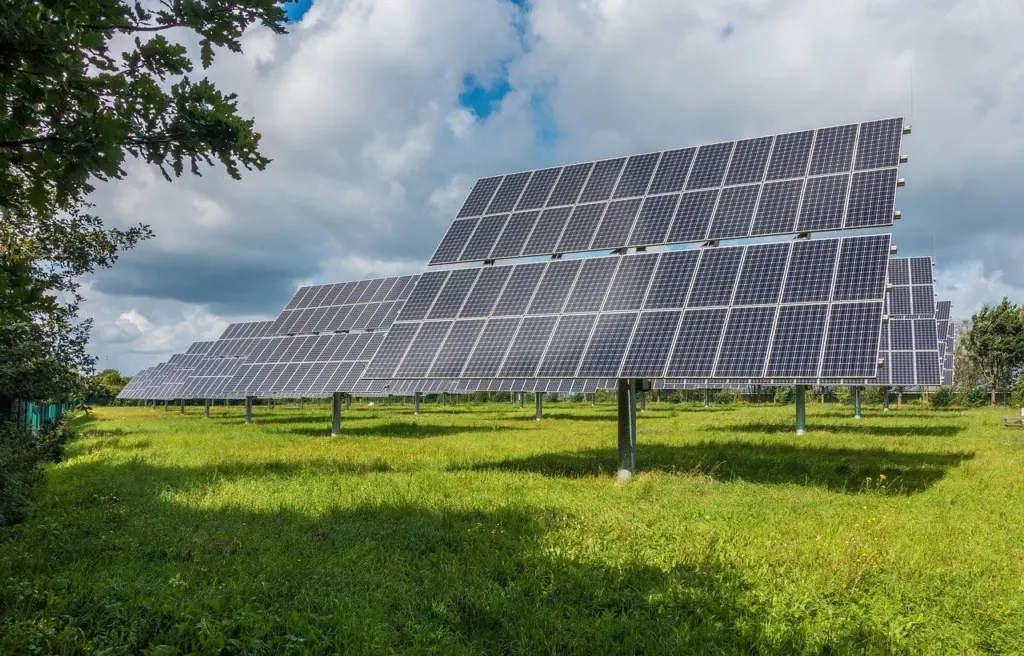
One forum rule of thumb for panel sizing is that you need panels that produce about 125-150% of your daily watt-hours. Because panels rarely hit their rated output, that cushion makes sense as a planning margin. It is a community guideline rather than a manufacturer specification, so use it to sanity-check a kit, not to guarantee a result.
The station’s input limit caps what the panel can deliver. The Yeti 500X, for example, has a solar input limit of 120 W, so a bigger panel cannot make that unit charge faster than its limit allows. Match panel and station rather than buying the largest panel on offer.
| Kit | Battery | Panel or solar input | Solar recharge | Planning use |
|---|---|---|---|---|
| Yeti 500X | 505 Wh | 120 W input limit | – | Compact car-camping station; pair with a panel at or under its input limit |
| Yeti 500 bundle | 499 Wh | 100 W panel | 6 hr solar charge | Simple all-in-one kit for short trips with light loads |
| Yeti 1500 bundle | 1505 Wh | 200 W panel (Nomad 200) | 0 to 100% in 9-18 hours | Longer stays or more devices; arrive with it already charged |
Kit capacities, panels and recharge times come from Goal Zero’s solar generator kit listings, and the Yeti 500X figures come from a user forum thread.
Read the recharge column as a spread rather than a promise. The Yeti 1500 range of 9-18 hours is wide, and that width reflects how much sunlight, panel angle and weather change the outcome. The smaller 500 bundle’s 6 hr figure is the maker’s number for that kit. Plan around the slower end whenever your trip depends on a full battery by a particular evening.
Matching a pick to your trip
No single model is best for every camper. The right choice follows from your daily watt-hours and how many days you stay away from a wall outlet.
Weekend car camping
Kits in the Yeti 500 class, with 499 Wh and a 100 W panel in Goal Zero’s bundle, line up with the weekend planning range given earlier. They suit phones, lanterns and light laptop use for one or two people. If your daily total sits near the top of that range, choose a larger battery instead of stretching a small one.
Longer stays or more devices
The Yeti 1500 bundle offers 1505 Wh with a 200 W panel and a stated 9-18 hour solar recharge. It suits groups, multi-day stays or heavier loads. The trade-off is refill time: on a cloudy stretch, you may drain it faster than the panel restores it, so ration the biggest loads and top up before you leave.
Short gaps between trips
If you can plug in between outings, charging speed from the wall matters more than panel size. The EcoFlow DELTA 3 Plus is notable for fast wall charging, as a recent camping roundup describes. It makes sense for weekenders who start each trip full and use solar only as a top-up.
Walk-in and backpacking trips
The kits above are sized for trips where a vehicle carries the gear. If you walk to camp, check each unit’s listed weight first, because it will outweigh any other spec. A small battery bank and a light folding panel can serve phone and headlamp needs better than a full station.
Related power decisions
Portable stations solve campsite problems, but the same watt-hour thinking applies at home. If your real goal is keeping a house running through outages, that is a larger job covered in Whole-Home Battery Backup Without Solar: How To Keep The Lights On During Any Outage (2026 Guide) – Fixourfuel. Readers weighing electrification at home may also want Furnace Vs Heat Pump: Which Is Cheaper, Cleaner, And Better For Your Home In 2026? – Fixourfuel.
Frequently asked questions
Is a solar generator the same as a portable power station?
Not quite. Goal Zero describes solar generators as a power station plus a solar panel. The station is the battery half, and the generator is the complete kit.
Does cold weather change how much power I get?
Yes. One camping guide reports that lithium batteries lose 20 to 30 percent of usable capacity below freezing. For freezing-weather trips, choose a larger battery than your daily total alone would suggest.
Can I top up from a wall outlet before leaving?
Yes, and it is the fastest way to start full. The EcoFlow DELTA 3 Plus recharges from the wall in about 56 minutes, though other models differ, so check your own unit’s rating.