The best energy saving tips for winter start with stopping heat loss and lowering the thermostat while you are asleep or out. Free habits and cheap sealing come first; paid upgrades such as attic insulation suit homes where those basics are already done.
Savings differ by home, so the ranking below is built on published estimates and ceilings rather than promises. For generating your own power instead of only trimming demand, see our renewable energy coverage.
Why winter bills are high and where savings come from
Heating is the largest single use of energy in most homes in cold months, and the share you can cut depends on how much heat escapes. A utility efficiency program quoting the U.S. Department of Energy puts heating at about 29% of a typical utility bill, while another winter guide says heating accounts for almost half of the average home’s energy costs. The gap reflects different bases (whole utility bill versus energy costs), so treat the range as a sign that heating is the bill worth attacking first.
Heat leaves in three main ways: through gaps and cracks, through glass, and through a heating system that runs when it does not need to. The U.S. Department of Energy states that about 30% of a home’s heating energy is lost through windows. That is why the order of work below goes from stopping losses, to controlling the system, to borrowing free heat from the sun, and only then to bigger purchases.
Stage one: seal leaks and add insulation
Sealing and insulating deliver savings that continue every winter without any change in daily habits. They also make every later step more effective, because the heat you pay for stays inside longer.
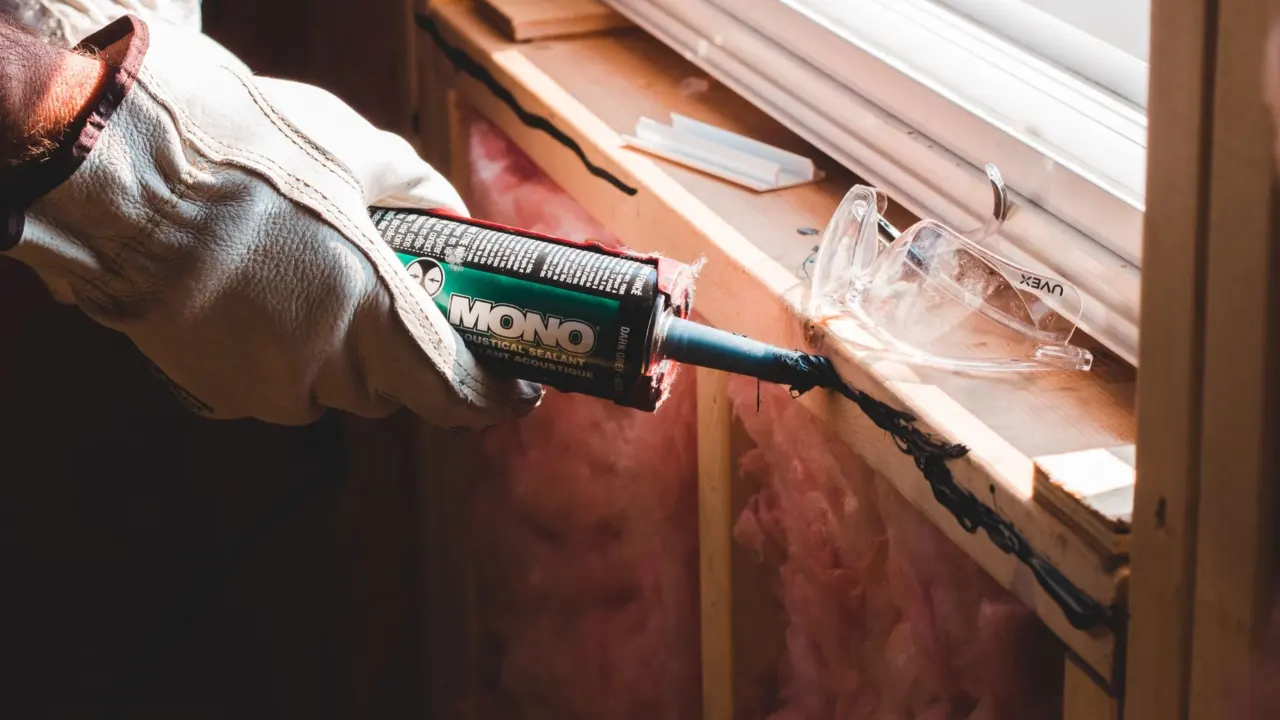
Weatherstripping and caulking
Weatherstripping and caulking are described by the Department of Energy as low-cost ways to reduce air leaks. Weatherstripping suits moving parts, such as door edges and operable window sashes. Caulk suits fixed joints, such as trim and frames. Use both: a draft at a door edge and a gap at a window trim are separate problems.
A utility program citing the Natural Resources Defense Council (NRDC) estimates that caulking could save 10%-20% of heating and cooling costs each year, and weatherstripping windows 5%-10% of energy costs. Treat these as upper-range estimates: a leaky older house will see more than a tight newer one.
Insulation
Attic insulation is the standout upgrade. The Citizens Utility Board says insulating your attic can be the most cost-effective way to cut heating costs, though it gives no savings figure. A home improvement guide cited by Chariot Energy suggests an attic insulation level of R30. Check what you already have against that level before paying for more; if the attic is already close, put the money into sealing or controls instead.
Stage two: control the heating system
Once heat stays in, make the system run only when it is needed. A thermostat is the main tool, and the setting matters more than the gadget.
Thermostat setback
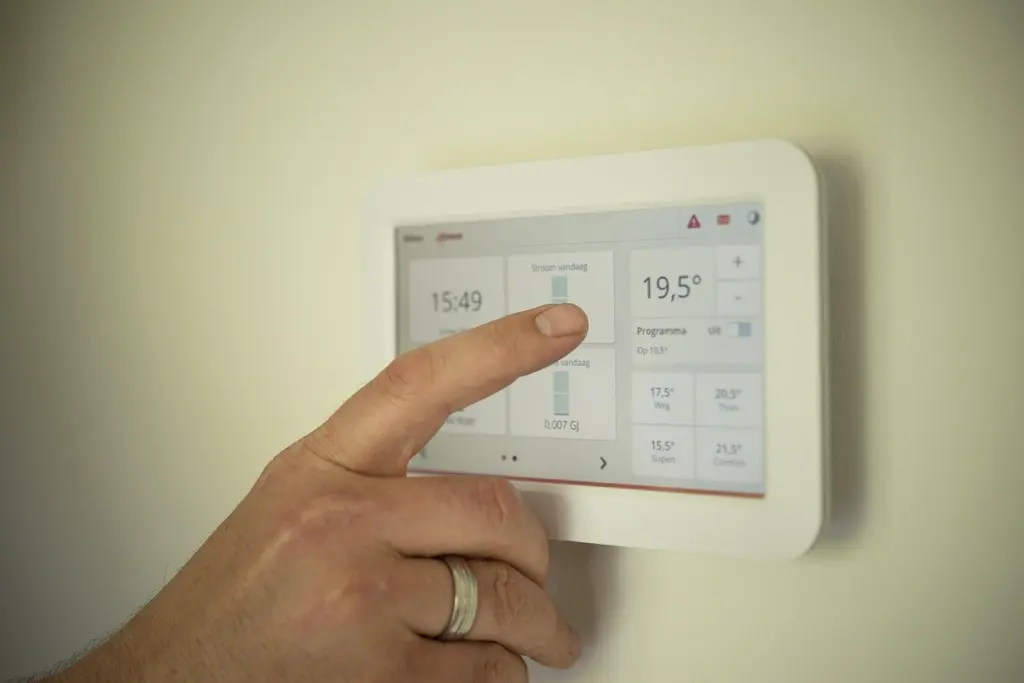
The Department of Energy advises setting the thermostat lower by 7-10 degrees for 8 hours a day while you are away or asleep. It says this can shave up to 10% per year off heating bills. A programmable thermostat automates the schedule; a manual one works equally well if you reliably change it by hand. A smart thermostat is a convenience for households that forget, not a requirement for the savings.
Furnace filter and airflow
A dirty filter makes the system work harder. A utility program quoting the Department of Energy says replacing one can lower system energy consumption by 5% to 15%. It is a quick job and one of the cheapest items on this page.
Moving air matters too. The Citizens Utility Board says a ceiling fan reversed to run clockwise in winter can save up to 15 percent on winter bills when paired with a wise temperature setting. That is a ceiling, not a typical result, so use the fan to push warm air down from the ceiling rather than expecting a fixed saving. The same source advises keeping a fireplace damper closed when the fireplace is not in use, so warm air does not escape up the chimney.
Stage three: use windows and sunlight
Windows lose heat at night and gain it by day, so manage them on a daily rhythm. The Department of Energy notes that opening shades or curtains during the day lets sunlight and warmth into a room. Close them at night: the NRDC estimate cited by a utility efficiency program is a decrease of up to 10% of heat loss from a warm room just by closing curtains at night.
Thermal or heavy curtains cost more than ordinary ones, but the routine of opening and closing is what delivers the benefit. Dressing in layers and using blankets is another zero-cost step; the Department of Energy notes this simple action won’t cost a penny, and it lets you accept a lower setting.
Winter tips ranked by savings and cost
The table orders the measurable tips by published savings figures and the money needed to act. Figures are estimates or ceilings, not guarantees, and they overlap rather than add up.
| Tip | Published saving | Upfront cost | Planning use |
|---|---|---|---|
| Thermostat setback | Up to 10% per year on heating bills | No cost with a manual thermostat | Start here; the saving applies to hours away or asleep |
| Caulking | 10%-20% of heating and cooling costs per year | Low | Highest estimate among sealing tasks; do it before buying anything else |
| Weatherstripping windows | 5%-10% of energy costs per year | Low | Pair with caulking for the same openings |
| Replacing a dirty furnace filter | 5% to 15% of system energy consumption | Low | Check at the start of the heating season |
| Closing curtains at night | Up to 10% of heat loss from a warm room | No cost with existing curtains | Make it a dusk routine |
| Energy Star LED bulbs | Up to 90% less energy than standard bulbs | Low | Helpful all year, since lighting is around 15% of home electricity use |
Thermostat and LED figures come from the Department of Energy; caulking, weatherstripping, filter and curtain estimates are as cited by a utility efficiency program.
Stage four: hot water and electricity
Water heating continues through winter, and incoming water is colder, so it is worth trimming. The utility program source advises that if the water heater is set at 140 degrees, you turn it back to 120 degrees. It also gives typical showerhead flow as 2.5 gallons per minute against 1.5 gallons per minute or less for efficient models, so a low-flow head cuts the hot water you use per shower. The source gives no dollar figure for either change, so treat them as sensible trims rather than headline savers.
Standby electricity is another quiet drain. The Department of Energy, citing an NRDC study, says idle load electricity accounts for almost 25% of the average household’s power use and energy costs. Switching off or unplugging idle devices costs nothing.
If hot water is your largest winter load, Solar Water Heaters: Save Energy And Get Reliable Hot Water All Year (2026 Guide) – Fixourfuel explains a longer-term alternative. If you own a hot tub, How Much Electricity Does a Hot Tub Use? A Practical Cost Guide for 2026 – Fixourfuel shows why it can dominate a winter electricity bill.
What is worth paying for
Pay for work that reduces heat loss permanently, and avoid spending on gadgets before the free and low-cost steps are done.
- Sealing materials: weatherstripping and caulk are the cheapest items with substantial estimated savings, so they come first for almost every home.
- Attic insulation: the best candidate for a larger spend when the existing level falls short of the R30 guidance, because it is described as potentially the most cost-effective heating cut.
- Smart thermostat: an upfront investment with long-term savings, according to one winter guide. It suits households that will not manage a setback by hand; others can get the same effect for nothing.
- Furnace filters and LED bulbs: small purchases that repay quickly, so buy them without hesitation.
Frequently asked questions
How can I cut heating bills in winter without spending money?
Lower the thermostat for the hours you are asleep or away, close curtains at dusk and open them in sunshine, wear layers, and keep unused fireplace dampers shut.
How low can I set the thermostat?
The Citizens Utility Board advises against setting the thermostat too low, to avoid frozen pipes.
Can a space heater replace my main heating?
No. The Department of Energy says such appliances are not intended for space heating and can be unsafe if used as a primary heat source.
How often should I change the furnace filter?
At least every three months, according to Chariot Energy, which notes that monthly changes are often recommended.
Are there rebates for smart thermostats?
Some state and local governments offer them, and amounts vary by location. One Massachusetts utility program offers $100 off a smart thermostat with a Home Energy Assessment.