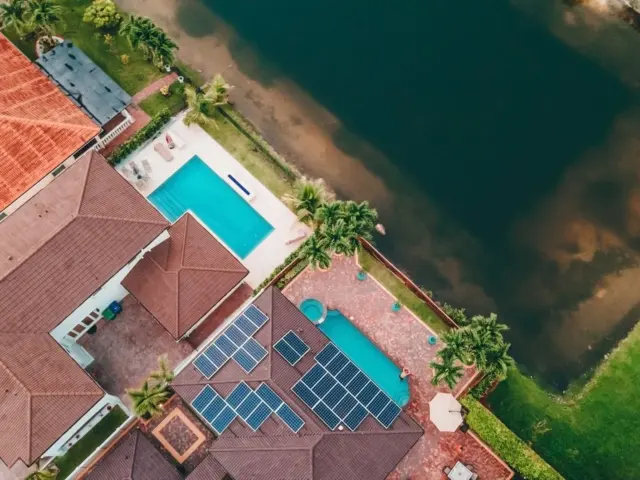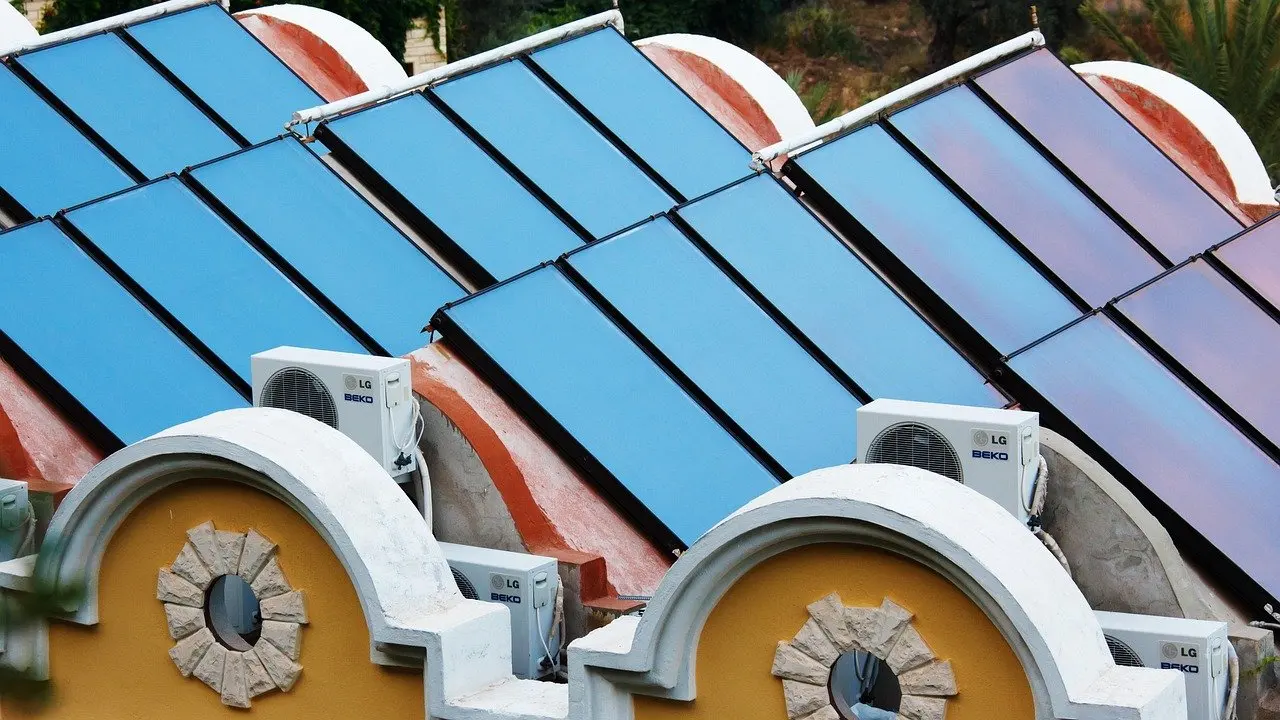
A solar water heater collects sunlight to heat household water and stores it in a tank. It usually cannot cover 100% of demand, so a backup heater stays in the system, and freezing climates need antifreeze or draining.
This guide follows the heat from roof to tap, then compares system types, tank choices and listed equipment prices. It sits within our wider renewable energy coverage, where solar thermal is one of several ways to cut household fuel use.
How a solar water heater works
A solar water heater turns sunlight into stored hot water in four stages. Pacific Northwest National Laboratory describes these systems as using energy from the sun to generate heat, and the same basic chain applies to every design.
- Collect. A solar thermal collector on the roof or a ground frame absorbs sunlight and turns it into heat.
- Move. The heat travels to the tank in water or in a heat-transfer fluid. A pump drives this in an active system. Gravity or thermosiphon does the job in a passive one.
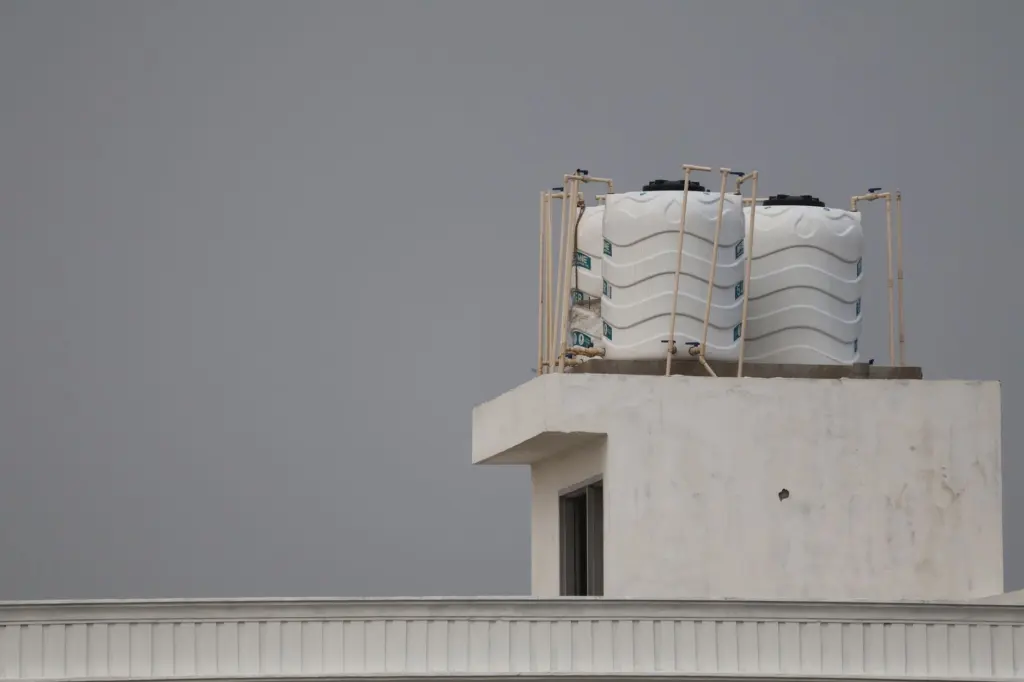
- Store. The storage tank holds the heated water until someone opens a tap, so hot water is available after the sun has gone.
- Top up. A conventional water heater supplies whatever the sun has not.
The last stage matters most when you judge a quote. These systems usually cannot produce 100% of the water heating needed at the moment of demand. The backup heater is therefore a permanent part of the design. It is sized to supplement the solar system during peak consumption or low-sunlight periods, not to carry the full hot-water load.
The decision that follows is about how much work you want the sun to do. A system that covers most of your regular demand and leaves the backup to handle peaks is a sensible target. Promises of fully solar hot water in every season are not.
Collector types and what they suit
The collector is where the heat is made, and the two common designs suit different conditions.
Glazed flat-plate collectors
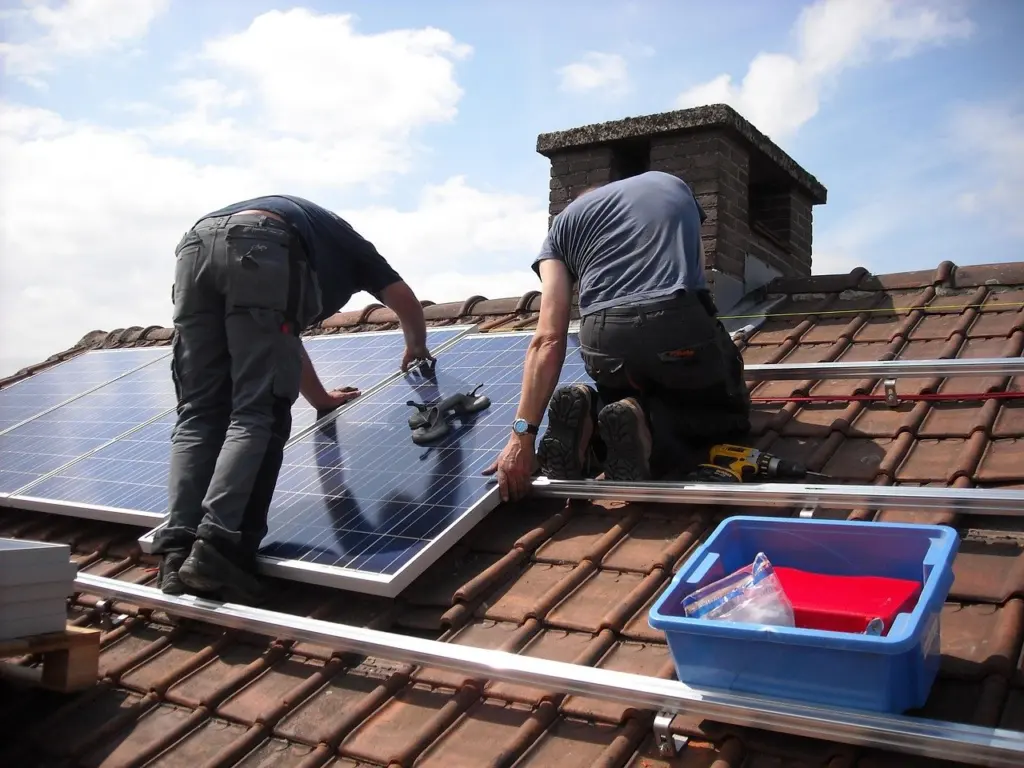
Flat-plate collectors are the standard choice for domestic water heating. They use serpentine copper pipes encased in glass, with a sunlight-absorbing material over the pipes and insulation beneath. They are a straightforward match for a typical household with a usable roof area.
Evacuated tube collectors
Evacuated tube collectors suit high-temperature or cold-climate applications. Copper pipes with absorber plates sit inside evacuated glass tubes, and the tubes join to a manifold. Consider them where winters are hard or where you need hotter water than a standard household setup delivers. In a mild climate, a flat-plate collector is usually the simpler match.
Either collector type can be paired with an active or passive system, so the next choice is how the heat moves.
Active versus passive systems
Active systems circulate water or fluid with pumps. Passive systems have no pump and rely on gravity or thermosiphon. PNNL notes that active systems are more expensive than passive ones but typically more efficient, while passive systems cost less and are less effective.
Choosing between them
- Choose active if you want the more efficient option and can accept the higher price, or if your climate sees frost. Pumped circulation also lets you place the tank away from the collectors.
- Choose passive if your climate stays above freezing and you want the lower price and fewer parts that can fail.
- Avoid passive where temperatures fall below freezing. PNNL states plainly that passive systems are not suitable in those climates. It also notes that integral collector storage systems are passive and cannot be used in colder climates.
Handling freezing weather
Locations that see freezing temperatures must either use antifreeze or shut down and evacuate the system. Indirect systems that keep an antifreeze fluid in the collector loop are very common in freezing climates. In cold regions, treat freeze protection as a design requirement and ask each installer how their proposal handles it.
The rest of the decision is the tank, because it determines how well the collected heat is actually used.
Storage tank and backup heater
The storage tank is sized by the amount and timing of peak hot-water consumption compared with what the solar system can produce. A household that uses most of its hot water in one morning rush needs a different tank from one that spreads use through the day.
PNNL also says it is preferable to have a separate solar storage tank that preheats water before it reaches the conventional heater. If the solar heating shares the existing tank, the system depends on stratification, the layering of hot water above cooler water, to avoid sending already-heated water back out to the array. A dedicated solar tank avoids that dependence, which is a good reason to ask installers whether their design uses one.
The backup heater and the solar tank work as a pair. Because the backup is sized for peaks and dull spells, a larger solar tank does not mean you can drop the backup. Better sizing means the backup runs less often.
Solar thermal versus solar panels
Solar water heating and rooftop photovoltaic panels both use roof space, but they do different jobs. Solar thermal collectors produce heat for water. Photovoltaic panels produce electricity. If you are weighing both, our guide to How Solar Panels Power Your Home: A Clear Guide For Homeowners (2026) – Fixourfuel explains the electricity side. The two can be considered side by side when you plan how to use a limited roof.
Costs and savings
Installed cost depends on the system type, the number of collectors, the tank and the labour involved. The listed retail prices below show how the equipment adds up. They are equipment prices, not installed quotes, so installation comes on top.
| Item | Listed retail price | Planning use |
|---|---|---|
| Flat-plate solar hot water collector, 4 ft by 6 ft | $1,585.00 per collector | Baseline for the collector portion of a quote. |
| Kit for 1-2 people: one collector with an 80-gallon electric backup tank | $5,819.00 | Reference for a small household’s equipment budget. |
| Kit for 2-4 people: two collectors with an 80-gallon electric backup tank | $6,980.00 | Reference for a larger household’s equipment budget. |
| Solar storage tank, 80 gallons | $1,745.00 | Check against a quote that prices the tank separately. |
| Solar storage tank, 120 gallons | $2,185.00 | Shows what a larger tank adds to the equipment total. |
These figures come from solar hot water collector and kit listings and solar storage tank listings.
Use the table to test a proposal. If an installer’s equipment line sits far from these listed prices, ask what the difference buys, such as a different collector type, a dedicated solar tank or a pumped design.
What you can expect to save
PNNL calls solar water heating a reliable and cost-effective technology that can help reduce utility bills for homes and businesses. It gives no savings percentage. Your own result depends on how much of your hot-water demand the system meets, which follows from the collector area, the tank, your climate and the timing of your hot-water use. Treat any savings figure as an estimate for your site and ask the installer to state the assumptions behind it.
For payback, compare the full installed quote with the energy the backup heater no longer has to supply. A system that covers a large share of demand with a modest backup role pays back sooner than one the backup constantly overrides. Solar water heating also works alongside other seasonal measures, and our guide Energy-Saving Winter Hacks: 21 Practical Ways To Cut Bills And Stay Warmer In 2026 – Fixourfuel covers further ways to trim bills when the sun is weakest.
Questions to put to an installer
A good proposal explains its choices. These questions separate a well-matched design from a generic one.
- Which system type fits my climate? The answer should address freezing temperatures directly, and an active design with antifreeze or a drain-down approach is the usual response in cold areas.
- Is there a separate solar storage tank? A dedicated preheat tank is the preferred arrangement, so ask why if the design relies on a single tank.
- How is the tank sized? The reasoning should refer to your peak hot-water use and the solar output rather than a standard size.
- What does the backup heater do? It should be sized to supplement the solar system at peak use and in low-sunlight periods.
- Which collector do you recommend and why? Flat-plate is the common domestic choice. Evacuated tubes make sense for cold climates or high-temperature needs.
Get proposals in writing from more than one installer so you can compare collector type, tank arrangement and freeze protection on equal terms.
Frequently asked questions
What else can a solar water heating system heat besides taps?
PNNL lists domestic hot water, space heating, industrial processes and pool heating as applications for solar water heating systems. For a house, domestic hot water is the usual starting point.
Which antifreeze is used, and is any type unsafe?
Propylene glycol mixed with water is the most common antifreeze solution in solar hot water systems. Ethylene glycol is toxic, so ask the installer to confirm which fluid is in your collector loop.
Will I be able to see how much energy my system produces?
Not necessarily. Small solar water heating systems often do not include performance-monitoring equipment, so energy production and operation frequently go untracked. If you want to verify the savings, ask for monitoring to be added to the quote.