
| Size or kit | Listed price | Planning use |
|---|---|---|
| Small generators, under 500 Wh | $100–$200 | Entry class for light loads where a low outlay matters more than runtime |
| ROCKSOLAR Weekender, 88 Wh with an 80 W panel | $129.99 sale (list $229.99); about $1.48/Wh | Lowest ticket price, but the highest cost per watt-hour of the kits shown |
| ROCKSOLAR Weekender MAX PRO, 277.5 Wh with a 250 W panel | $299.99 sale; about $1.08/Wh | More stored energy and a bigger panel for a lower price per watt-hour |
| Medium generators, 500–2000 Wh | $200–$500 | Broad category guide; check what the price includes before comparing |
| Large generators | $500–$1,500+ | Open-ended tier; home-scale listings sit well above it |
Prices come from the manufacturer’s own portable kit listings and a published solar generator pricing guide; sale prices change, so treat them as snapshots.
How much does a solar generator cost depends on stored watt-hours and what the kit includes: portable kits list from $129.99, while home-scale systems with a big inverter, panels and LiFePO4 storage reach into the thousands.
This guide sits within our clean energy technology coverage, so it focuses on price and cost per unit of energy rather than product rankings.
What the price spread means for buyers
A solar generator is a bundle of solar panels, a battery (the power station), an inverter and a charge controller, according to the pricing guide. Two listings with similar prices can therefore contain very different parts. Before comparing, check whether the panel is in the box.
- Light-load buyers: the under-500 Wh class is the cheapest way in. The trade-off is limited output, so it suits occasional top-ups rather than appliances.
- Buyers who want an all-in-one kit: the ROCKSOLAR kits pair a station of 88 Wh to 278 Wh with a panel that can refill it in a day of good sun. That makes the listed price a fuller picture of what you will spend.
- Buyers choosing between the two ROCKSOLAR kits: the larger one costs less per watt-hour, so stretching the budget one step usually buys more energy per dollar than staying at the bottom.
- Buyers eyeing a station-only price: add the panel cost described below before deciding it is the cheaper option.
The ranges above stop being useful once you move to home-scale equipment, where inverter size and battery chemistry drive the price.
Home backup and cabin systems
In retailer listings, the Jackery Explorer 5000 Plus (5040Wh, 7200W, marketed for home backup) is $3,149.00 against a list price of $4,599.00. The EcoFlow DELTA Pro (3600W, 3600Wh) with 400 W of solar panels is $3,388.00 against $4,499.00.
The DELTA Pro price covers more than the station, because the panels are bundled. A bare station at a similar price would leave you buying panels separately.
A SunGold off-grid kit shows how much a complete system includes: a 6.5kW inverter, 2,220W of solar and 5.12kWh of LiFePO4 storage for $3,977.65. Past that point, cabin-scale kits cost far more. The same allprogenerators collection lists a Rich Solar 6000W, 48V, 240V cabin kit at $26,399.00 (list $29,999.00) and an 8000W kit at $32,999.00 (list $38,999.00).
The inverter is the deciding component at this level. It converts battery power to household AC and sets how much you can run at once, which is why a 7200W unit and an 88 Wh kit with a small AC output are different purchases.
- Choose a bundled kit if you want a known set of panels, inverter and storage and do not want to match components yourself.
- Choose a station-only unit if you already own panels or plan to expand later, since it keeps the first outlay lower.
- Move to a cabin-scale kit only when you need 240 V output or sustained loads; the price jump is large.
Is a solar generator worth the money?
A solar generator is worth the money when it matches a specific need: outage cover, off-grid power, or a camp and travel setup where a fuel generator is impractical. It is poor value when bought as a general-purpose bill reducer. A published guide puts the service life of a good unit at 5–10 years or more, depending on battery type and usage, so the purchase price is spread over that period.
The value test is whether you will use the stored energy often enough to justify the upfront cost. A unit that sits unused in a cupboard is expensive per kWh delivered, however cheap it was to buy.
If the goal is lowering household running costs rather than outage cover, compare it with other upgrades first. Our guide to Furnace Vs Heat Pump: Which Is Cheaper, Cleaner, And Better For Your Home In 2026? – Fixourfuel weighs one of them. If outage cover is the goal, our Best Solar Generator For Home Backup In 2026: Reliable Picks, Sizing Tips, And Buying Guide – Fixourfuel covers sizing in more depth.
Panels and other add-ons
Panels are the add-on most likely to change your total. When they are not included, they can add $200–$1,000+ to the cost of a solar generator.
Listings show how wide that spread is. At the low end, a Renogy 100 W 12 V starter kit is $157.49, and a Go Power 200 W expansion kit is $393.10 (down from $400.00). A Renogy 800 W kit with eight N-type panels and a Rover 60 A MPPT charge controller starts at $1,149.99.
A branded panel for a portable station can cost more per watt: an EcoFlow 110W panel is $299.00 against a $499.00 list price. For a station that accepts generic panels, a separate kit may be cheaper, but check voltage and connector compatibility first.
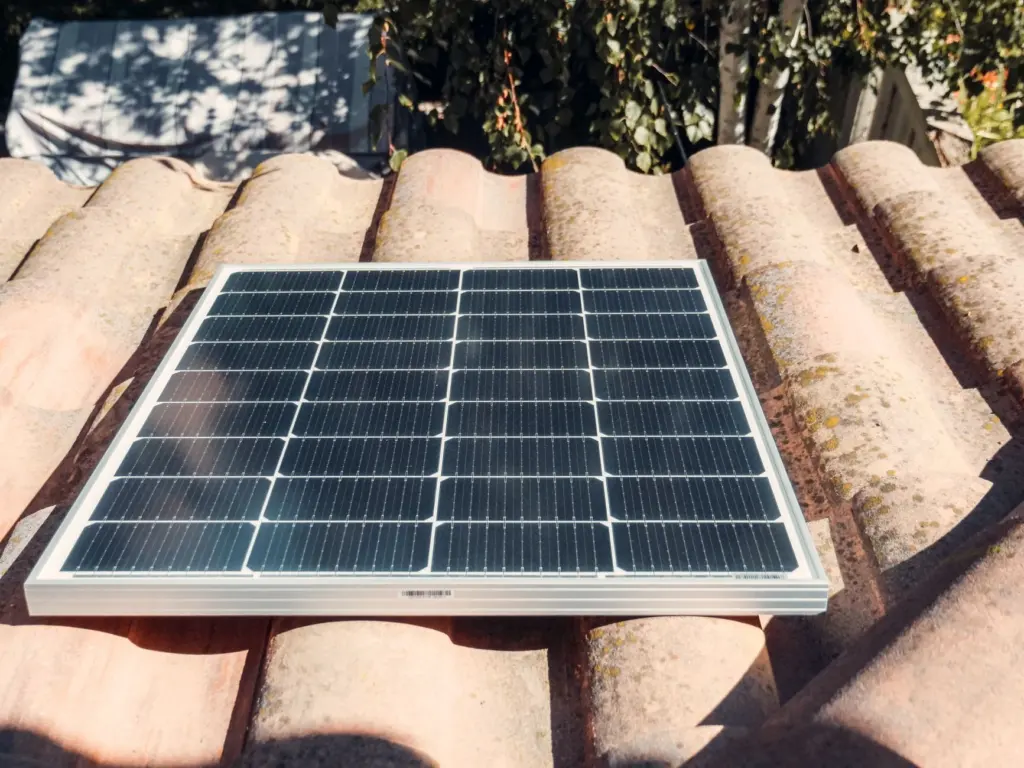
The charge controller matters as well. It regulates how the panels charge the battery, and larger kits list it as a separate named component. A bigger panel array needs a controller rated for it.
Installation, discounts and list prices
Portable kits need no installation, but fixed systems do. Listings describe equipment, so ask any installer to quote labour, permits and any electrical panel work separately before you compare totals.
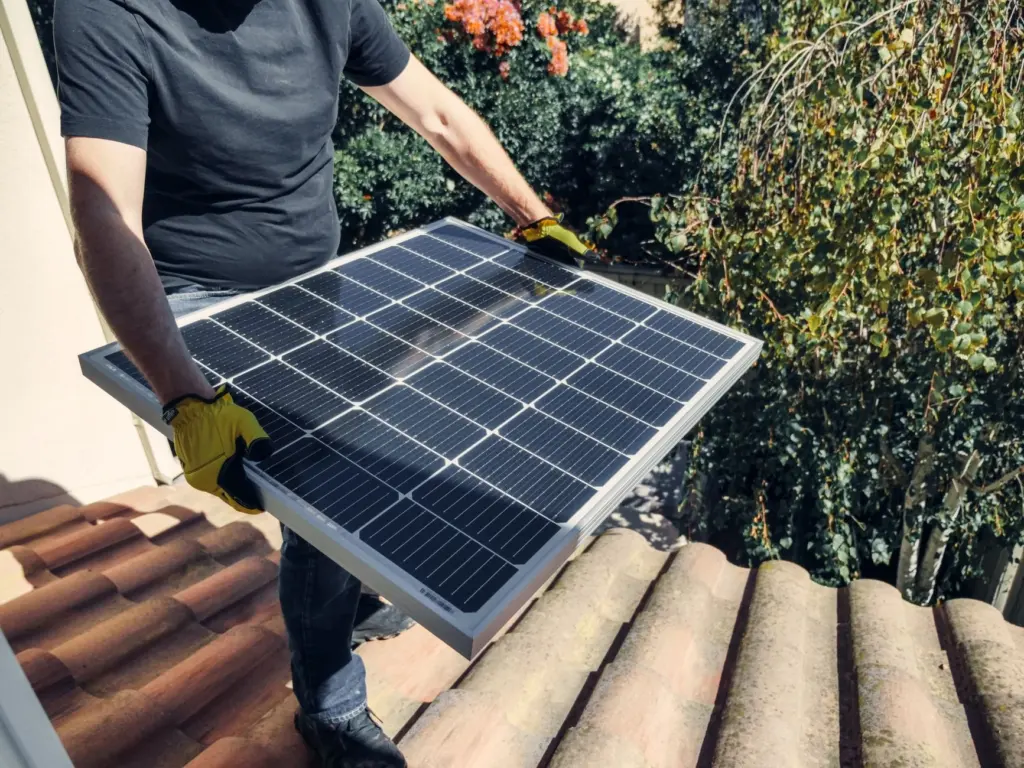
Discounts are worth checking, with conditions. ROCKSOLAR advertises 15% off eligible kits on purchases of $100 or more, applying to one-time purchases. Confirm that your chosen kit is eligible before counting on it.
List prices need caution as well. The gap between list and current price ranges from a few dollars on a Go Power expansion kit to well over a thousand dollars on large systems. Compare current prices, not the crossed-out figure.
Cost per watt-hour and lifetime cost
Watt-hours (Wh) measure stored energy, so dividing the price by capacity gives a cost per watt-hour that works across brands. The two ROCKSOLAR kits in the table show the effect: the 277.5 Wh kit costs about $1.08/Wh, while the 88 Wh kit costs about $1.48/Wh, so the bigger kit delivers more stored energy per dollar even though its panel is included in both prices.
Lifetime cost per kWh goes one step further. It divides everything you pay, including panels, by the total energy the unit delivers before replacement. Two inputs decide it: the upfront price and how long the battery lasts.
Chemistry affects both. LiFePO4 is longer-lived and safer but more expensive, while lithium-ion batteries are common and affordable. A LiFePO4 unit that costs more upfront can still be cheaper per lifetime kWh if it keeps working long enough, so check the manufacturer’s rated cycle life and warranty before deciding.
No chemistry-by-chemistry price per watt-hour can be fixed from listings alone, because inverter, panels and brand all change the total. Use the per-Wh method on like-for-like kits.
Staying within budget
- Start with what you will run. Size capacity to your loads first. A kit that falls short does not save money if it cannot do the job.
- Compare price per watt-hour. It exposes small kits that look cheap but cost more per unit of energy.
- Decide on chemistry by use. Pay for LiFePO4 if you will cycle the unit often and keep it for years; lithium-ion suits occasional use.
- Count the panel. A kit with the panel included avoids a separate purchase, and a station-only listing needs the add-on cost counted.
- Check discount terms. Look at eligibility and one-time purchase conditions before treating a discount as part of your budget.
Frequently asked questions
Can a small solar generator run a fridge or power tools?
Not the smallest kits. The ROCKSOLAR stations have an AC output of 80 W to 250 W and the manufacturer says they are not sized for a fridge or tools, so appliances need a larger station and inverter.
Does a price guarantee protect me after I buy?
It can. ROCKSOLAR offers a 30-day price guarantee: if you find the same product for less within 30 days of purchase, the price is matched. Check the terms of any other retailer separately.
Can I buy the battery and inverter separately?
Yes. Blue Joy Solar lists a 51.2 V/48 V, 200 Ah LiFePO4 battery bank with a smart BMS and a Voltronic Power Axpert MKS Plus 2 KVA/3 KVA off-grid inverter as separate products, alongside a 3 kWh AC power bank.