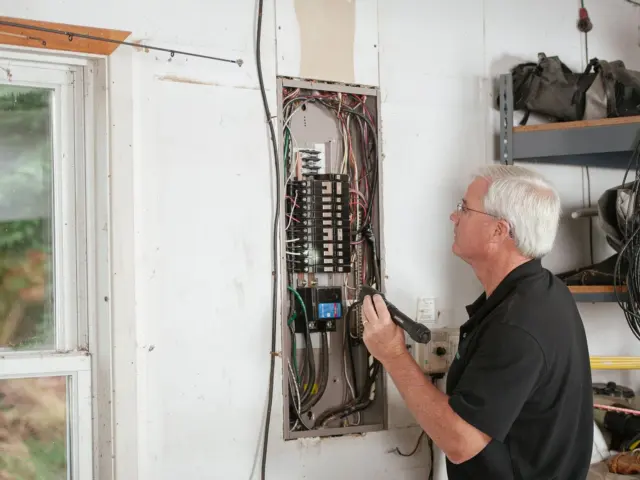
A driver with a driveway socket and a short commute weighing hybrid vs electric will usually spend less on energy with an EV. Without home charging, a hybrid is the safer fit.
The sections below separate what the figures support from common assumptions. For the wider picture of clean transport, see our electric vehicles guide.
How the three powertrains differ
A conventional hybrid pairs a gasoline engine with a small battery. Consumer Reports puts hybrid range at 300-500 miles on gas, with electric power at low speeds only. Car and Driver adds that hybrids carry smaller batteries than EVs, storing only enough energy for short electric assist. The battery supports the engine and does not replace it.
A plug-in hybrid (PHEV) adds a larger battery that you charge from the grid. Consumer Reports lists 20-40 miles of electric range, then 300-500 miles on gasoline. An electric vehicle (EV) has no gasoline engine and lists 200-400 miles between full charges. That makes the PHEV and the EV the two types where charging habits shape your costs.
| Type | Price premium | Energy cost versus a gas car | Range | Planning use |
|---|---|---|---|---|
| Hybrid | $0-$3,000 more than an equivalent gas-only car | $300-$800 less per year in fuel | 300-500 miles on gas; electric power at low speeds only | The smallest step up in price. It suits drivers who cannot plug in. |
| Plug-in hybrid | $1,300-$14,000 more than an equivalent gas car | Depends on how often you plug in | 20-40 miles electric, 300-500 miles gas | It pays off only when you actually use the electric miles. |
| Electric vehicle | $5,000-$15,000 more than a gas or hybrid car | About $1,300 less per year | 200-400 miles between full charges | The biggest energy saving comes with the biggest premium, and it needs a charging plan. |
These figures come from the Consumer Reports hybrid and EV buying guide.
Running cost and total cost of ownership
Neither type is cheaper to own in every case. The answer depends on how quickly lower energy bills repay the higher purchase price, which comes down to how many miles you drive and how long you keep the car.
- Misconception: a lower energy bill settles it. The EV premium of $5,000-$15,000 has to be earned back from an energy saving of about $1,300 per year against gas cars. High-mileage drivers who keep the car for a long time get the most from that trade. If you change cars often, the premium may never be recovered.
- Misconception: a hybrid is a half-measure. With a premium of $0-$3,000 and fuel costs $300-$800 lower per year, hybrids carry smaller batteries than EVs, storing only enough energy for short electric assist, according to Car and Driver.
- Misconception: a cost calculator gives your answer. Consumer Reports’ cost comparison assumes general fuel mileages of 27 mpg for gas vehicles, 37 mpg for hybrids and 3.0 miles per kWh for EVs. Your own efficiency, local fuel prices and electricity rates will move the result.
- Misconception: charging is free to set up. Home charging adds to an EV’s ownership cost. Consumer Reports expects about $500 to $1,200 for installation work, plus $500 to $700 for a wall-mounted charging unit.
For a total cost of ownership comparison, list the purchase premium, yearly energy cost and any charger installation for each shortlisted car, then weigh them against how long you plan to keep it. A PHEV needs the most honest assessment, because its fuel bill swings with your plugging-in routine.
Emissions: tailpipe versus lifecycle
EVs have the lower driving emissions, but “zero emissions” describes only the tailpipe. The US EPA states that EVs produce no tailpipe emissions. It adds that total emissions associated with driving EVs are still typically less than those for gasoline cars, and lower again when the electricity is renewable.
Plug-in hybrids sit in between. The EPA notes that PHEVs produce tailpipe emissions whenever gasoline is the fuel in use. A PHEV that is plugged in every night and a PHEV that is rarely charged therefore have very different emissions profiles.
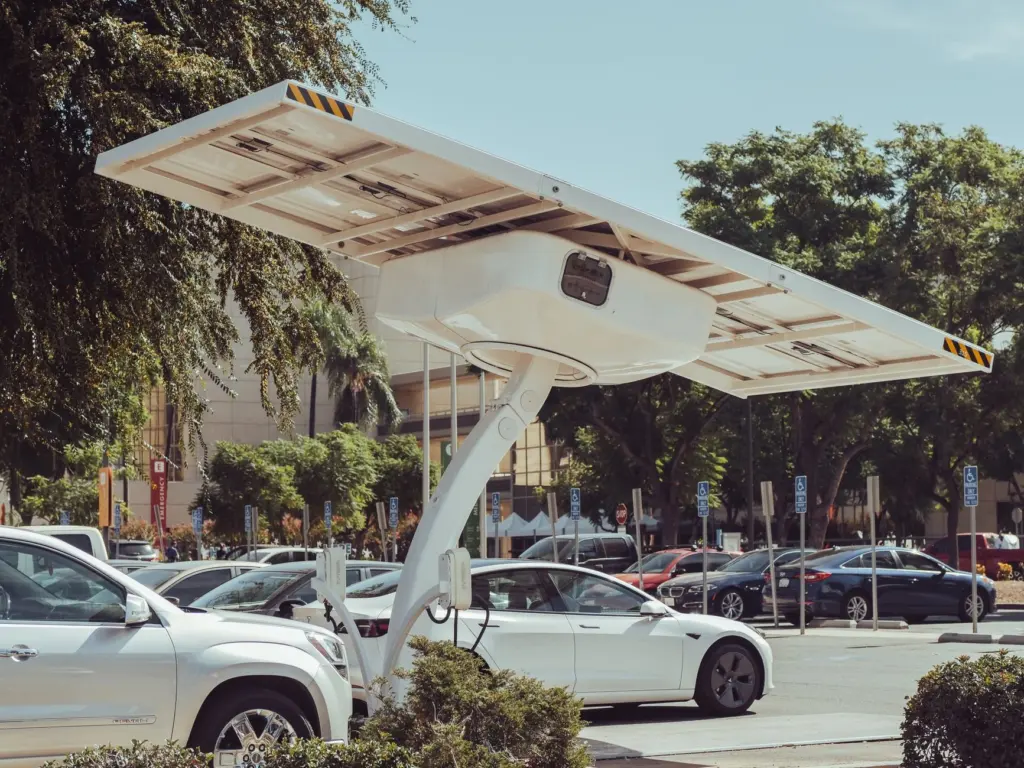
Building the battery is where the EV’s case is weakest. Car and Driver observes that many ingredients in large battery packs involve mining that is not earth-friendly, though the impacts are lessening as battery technology improves. Hybrids carry smaller batteries, so this concern weighs most heavily on EVs and, to a lesser degree, on PHEVs.
Neither side of the lifecycle debate is a clean win. Mining and manufacturing sit on the EV side, and gasoline combustion sits on the other. If your local electricity supply is increasingly renewable, the case for an EV strengthens over the life of the car.
Range and real trips
EV range is often a smaller worry than it looks, and hybrid range is not as limitless as it sounds. The EPA says the distance an EV travels before recharging is often less than a gasoline car manages between fill-ups. It also says that distance is typically still enough for the average person’s daily driving. PHEVs typically have driving ranges comparable to gasoline vehicles.
- Misconception: the rated range is what you will get. The EPA calls its estimates a general guideline. Cold weather, accessory use such as air conditioning, and high-speed driving can lower EV range significantly. Treat the rated figure as a ceiling and plan around a lower number if you drive fast on motorways or in winter.
- Misconception: a hybrid never needs to think about energy. A hybrid’s electric help is limited to low speeds, so on faster roads the engine carries the load. Drivers curious about what a running engine costs while stopped can read Is Idling Bad for Your Car? What Mechanics Really Say And When It Matters (2026 Guide) – Fixourfuel.
- Misconception: long trips rule out an EV. Consumer Reports notes that an EV can require long charging stops on a trip. That is a planning cost, not a barrier, but it is the main reason frequent long-distance drivers lean towards a hybrid or PHEV.
Charging at home and on the road
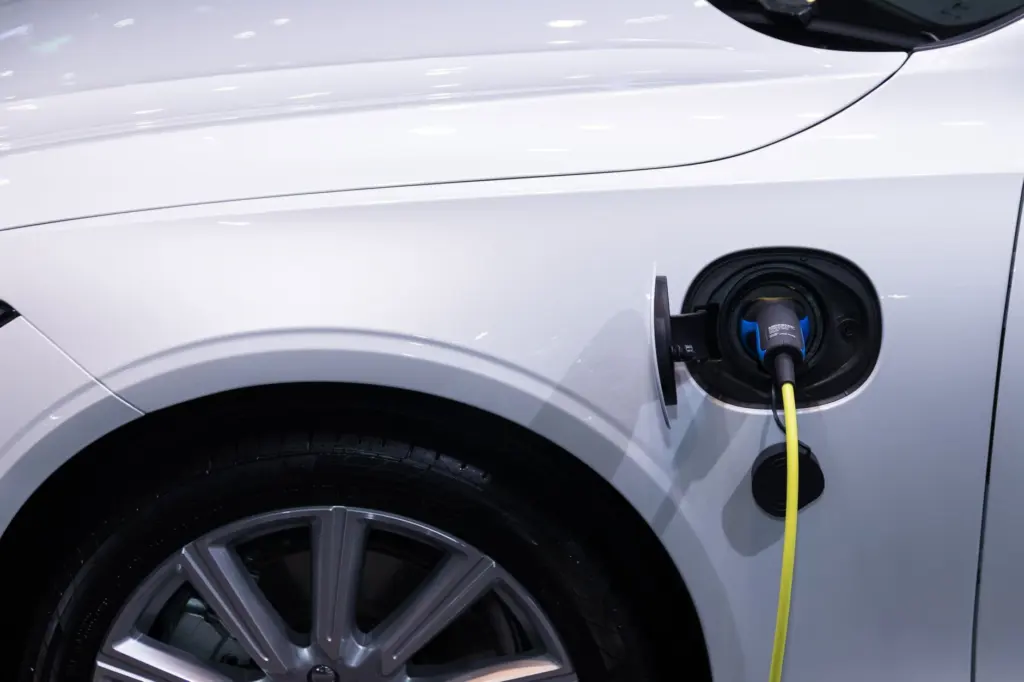
Most EVs can be charged from a standard 120 V household outlet, according to the EPA. For quicker charging, the EPA suggests a dedicated 240 V outlet or charging system. If you can plug in at home, the EPA says you may be able to meet all your driving needs that way, depending on how far you drive each day.
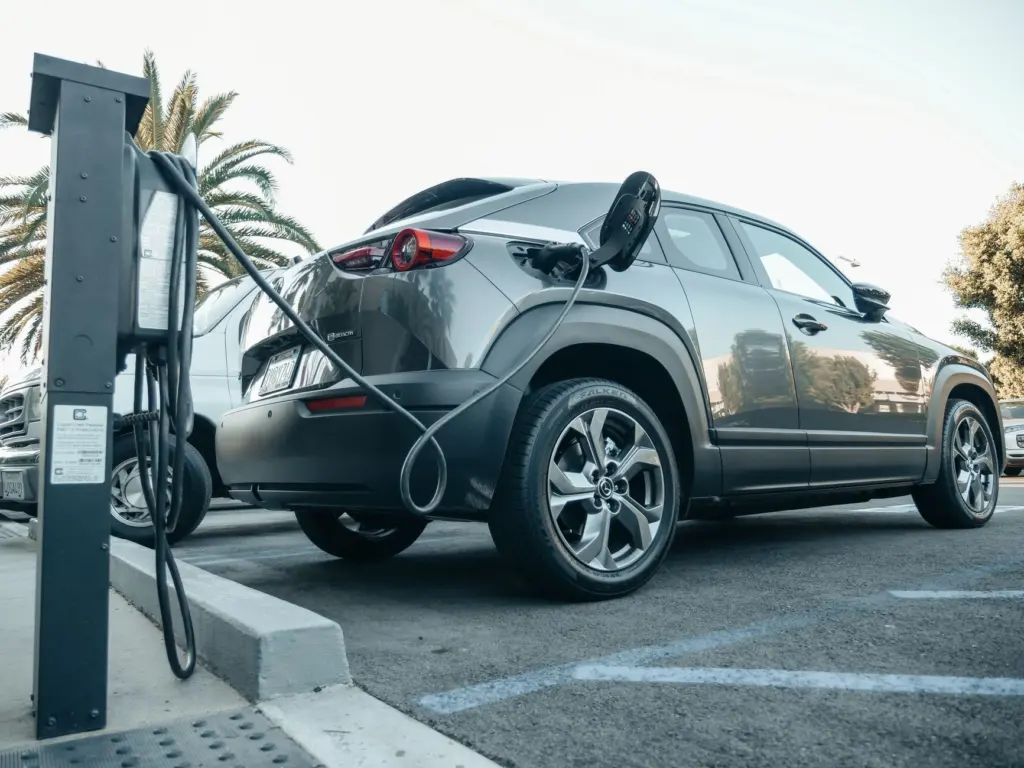
Consumer Reports describes the main charging speeds:
- Level 2 charging: adds 20 to 30 miles of charge per hour and can fully charge an EV’s battery overnight. It is the practical target for most home installs. Our guide on How To Install A Level 2 EV Charger At Home: A Practical 2026 Guide – Fixourfuel covers the steps.
- DC fast charging: a public charger that can add between 100 and 200 miles or more in 30 minutes. It is built for road trips and not for daily use.
Renters and apartment dwellers without a dedicated outlet should confirm charging access before buying an EV. In that situation a hybrid avoids the problem entirely. A PHEV only makes sense if you can plug it in regularly.
Choosing by driving pattern
- Choose an EV if you can charge at home, your daily distance sits well inside the car’s range, and you will keep the vehicle long enough for the energy saving to offset the premium.
- Choose a hybrid if you cannot charge reliably, take frequent long trips, or want the smallest price step over a gas car.
- Choose a plug-in hybrid if your regular trips fit within its electric range and you will plug in routinely. Skip it if you expect to run mostly on gasoline, since you would carry the larger premium without the saving.
- Wait or look again if you are undecided on charging. Settle your home or workplace charging question first, because it determines which of the three options performs best.
Frequently asked questions
| Question | Answer |
|---|---|
| Are hybrids more reliable than gas-only cars? | In a Consumer Reports survey, hybrids had 15 percent fewer problems on average than gas-only cars. |
| How long does an EV battery warranty last? | Car and Driver reports that batteries in new EVs are covered for at least 8 years or 100,000 miles. |
| Can a plug-in hybrid use public fast chargers? | Most cannot. Consumer Reports says most PHEVs cannot be charged at DC fast chargers, so they depend on Level 2 or household charging. |