How long does it take to charge an electric car? It takes about 4 to 10 hours on Level 2 and 8 to 24+ hours on Level 1. On DC fast charging it takes as little as 20 minutes to reach 80 percent.
Those ranges are wide because battery size, charger output and what the car will accept all interact. For wider context on running an EV, see our electric vehicles guide.
What determines charging time
Charging time is the battery’s energy divided by the charger’s power. ACD’s charging guide states it as battery size (kWh) divided by charger power (kW) gives charging time in hours. Treat that as a starting estimate. The factors below explain why real sessions run longer or shorter.
Battery capacity and state of charge
Battery capacity is measured in kilowatt-hours (kWh), and the same guide notes that bigger batteries take longer to fully charge. State of charge is how full the battery is at the moment you plug in. It matters because fast-charging times are quoted for a window such as 10% to 80%, not for empty to full. When you compare a quoted time with your own plans, check which window it describes.
Charger power and what the car accepts
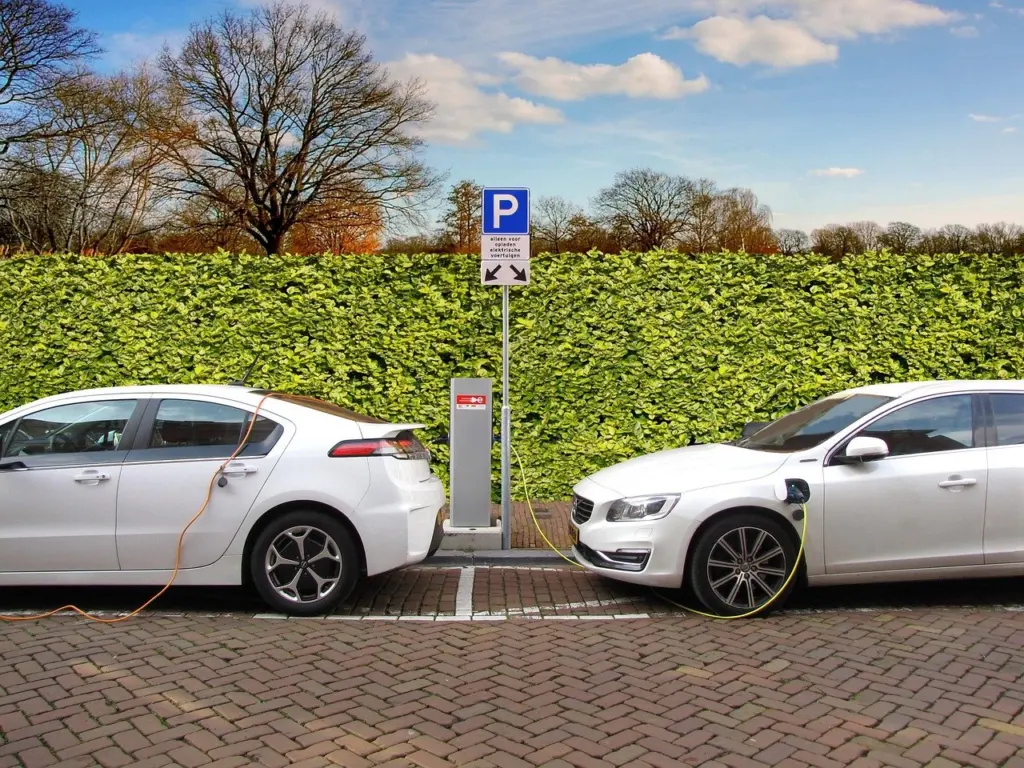
Charger power is measured in kilowatts (kW). A more powerful charger helps only if the car can use it. A vehicle can only be refuelled at the maximum charging rate it will accommodate, even on a faster charger. Before paying extra for a high-output charger or a premium station, check your car’s own charging limit, because the lower of the two figures sets the pace. The same applies at home, where Level 2 speed depends on both the charger’s output and the vehicle’s acceptance rate.
Charging time by charger type
The three charging levels differ in connection, power and typical session length. The table puts them side by side so you can match a charger to the time you have.
| Charger type | Connection and power | Typical time | Planning use |
|---|---|---|---|
| Level 1 | Standard 120-volt wall outlet | 8 to 24+ hours; about 40 to 50 miles of range added overnight | Suits low daily driving and slow overnight top-ups |
| Level 2 | 240 V; stations range from 3 to 19.2 kW | Typically 4 to 10 hours | The practical home and workplace option for a full charge |
| DC fast charging | 25 kW to more than 350 kW | 10% to 80% in as little as 20 minutes | Best for road trips and quick stops, not routine daily charging |
Figures are drawn from EVConnect’s typical charging times and ACD’s charging guide.
The Level 2 range is the one that catches people out. A station at the low end of its 3 to 19.2 kW span and one at the top end are both called Level 2, yet they will not finish a charge in the same time. Check the kW rating of a specific unit rather than relying on the level label alone.
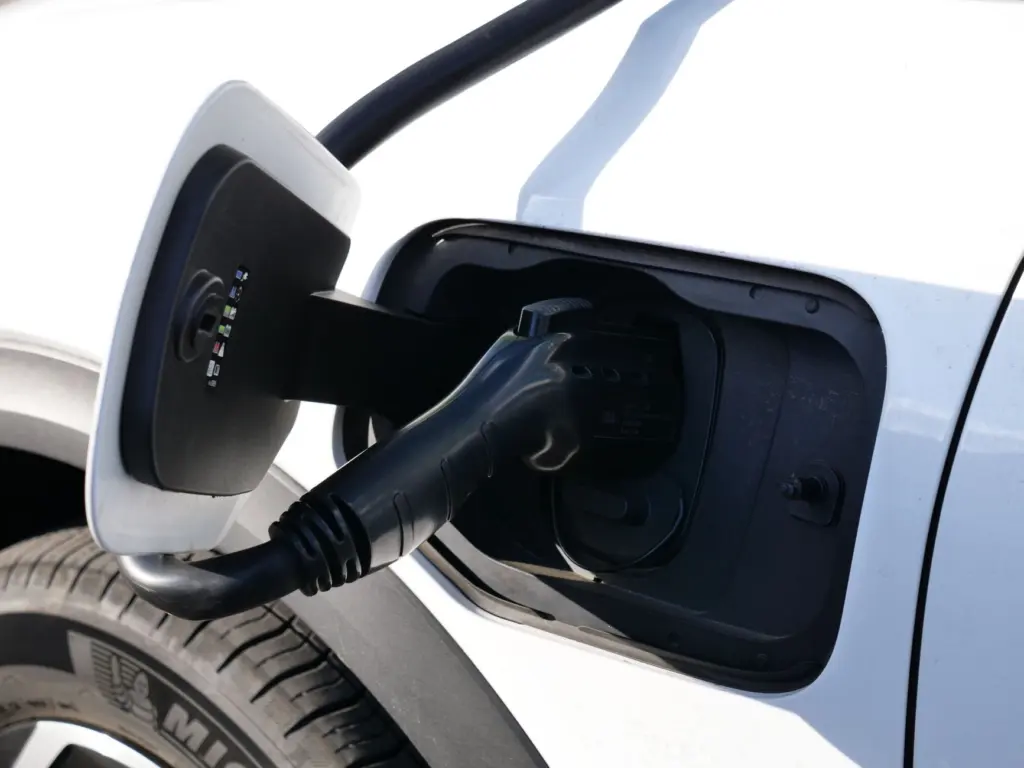
Charging at home
Level 1 from a household outlet
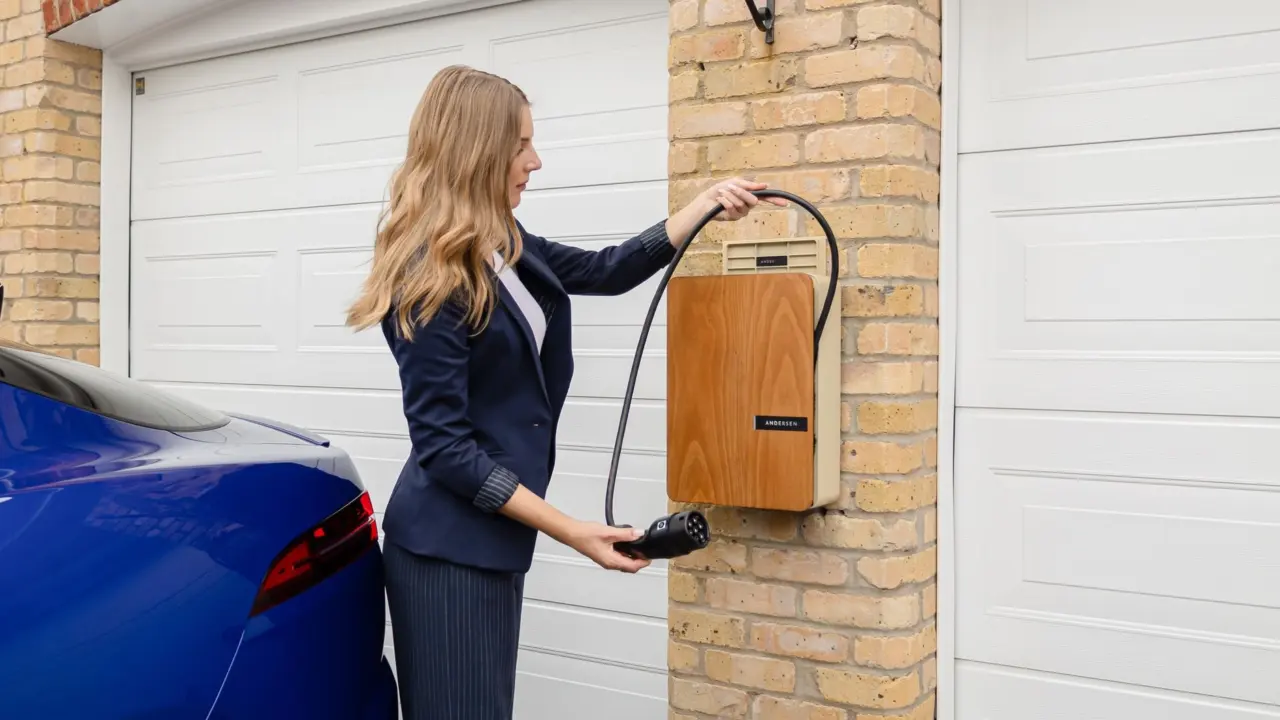
A Level 1 charger plugs directly into a standard 120-volt wall outlet, so it is the easiest way to start. The trade-off is time. A Tesla Model 3 Long Range with its 75 kWh battery can take up to 24 hours to charge fully this way. Level 1 makes sense if your daily mileage is covered by the overnight gain of roughly 40 to 50 miles. If you regularly drive further, it will not keep up.
Level 2 for a full overnight charge
Level 2 is the better fit when you need a full battery by morning. EVConnect notes that a Nissan Leaf with a 40 kWh battery can fully charge in around 8 hours on Level 2. Larger batteries take longer on the same charger. If you are weighing an installation, our guide on What Is a Level 2 Charger? Your Practical Guide To Faster EV Charging In 2026 – Fixourfuel covers what the equipment involves.
DC fast charging and the 80 percent point
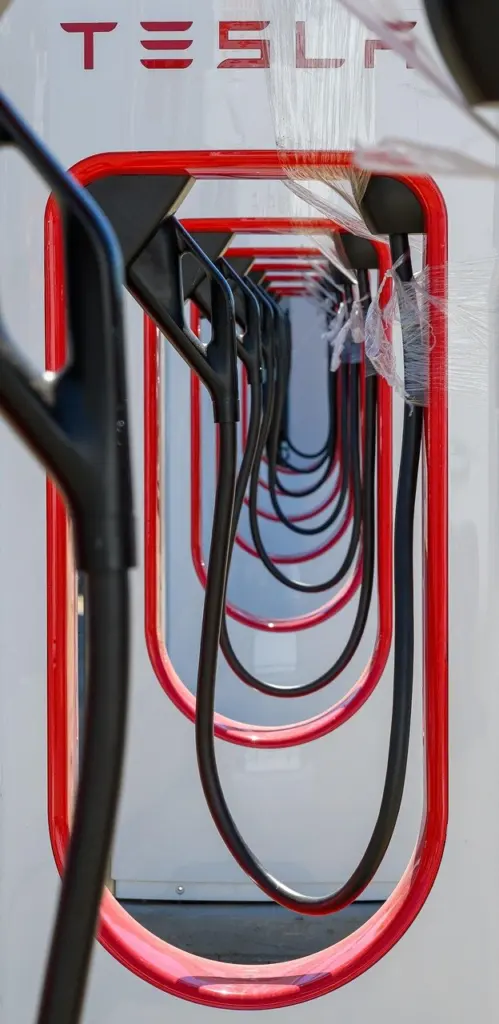
DC fast charging is built for speed, and chargers vary widely in output. ACD’s guide says they run from 25 kW to more than 350 kW, and that reaching 80 percent can take as little as 20 minutes. The same guide gives a worked example: a 40 kWh battery on a 150 kW charger could take just under half an hour. At the top end, the RAC figure cited by bp pulse is as little as 15 minutes on a 350 kW charger.
Treat these as best cases. They assume a car that can accept the charger’s output and a battery that is not already near full.
Why charging slows after 80 percent
Charging after 80 percent is slower because, as ACD explains, the speed will often slow down beyond that point. The slowdown is there to protect the battery. On a trip, the fastest plan is usually to leave at around 80 percent and charge again at the next stop, instead of waiting for the final stretch, which takes much longer than the first.
Charging examples for popular models
Real cars show how battery size and charger level combine. These examples come from EVConnect and bp pulse.
- Nissan Leaf, 40 kWh: around 8 hours for a full charge on Level 2, which is an easy overnight fit.
- Tesla Model 3 Long Range, 75 kWh: up to 24 hours on Level 1, but about 30 minutes to go from 10% to 80% at a Tesla Supercharger.
- Top-selling UK battery sizes in 2022: the Nissan Leaf at 20 kWh, the MINI Electric at 32.6 kWh and the Tesla Model Y at 60 kWh.
The same car can need most of a day on one charger and half an hour on another, so charger choice matters as much as the model. If you are comparing used cars, battery size is worth checking early because it affects how long every charge takes. Our guide to Best Fuel‑Efficient Used Cars For 2026: Save Money At The Pump With These Top Picks – Fixourfuel helps with that wider comparison.
Ways to charge faster
Faster charging mostly comes down to matching the charger to the car and the stop.
- Check your car’s limit first. A higher-power charger gives no advantage once you reach what the vehicle accepts.
- Use DC fast charging for journeys. Keep Level 2 for home and long parking stops, where speed matters less.
- Stop short of the slow zone. Plan fast-charging stops to end near 80 percent rather than topping up to full.
- Allow extra time in extreme weather. ACD notes that when it is very hot or cold outside, the system may slow charging speeds, so quoted times may not hold.
- Upgrade your home setup if time is the problem. Moving from Level 1 to Level 2 is the biggest single change for home charging.
Frequently asked questions
Is it bad to charge to 100 percent every time?
EVConnect recommends avoiding regular 100% charges to preserve battery health. Full charges are fine when a journey needs the range, but they are not a good daily habit.
What does a 150 kW charger add in 15 minutes?
bp pulse says a 150 kW charger is capable of adding up to 100 miles of range in around 15 minutes. The result depends on the vehicle, battery, weather and driving conditions.
Why is the Level 1 time range so wide?
Level 1 output is low, with up to 1.8 kW in the US and up to 2.3 kW in Europe. At that power, battery size has a large effect on how long a full charge takes.