Picture buying an EV and assuming the charger just plugs into any wall socket. Level 2 ev charger installation is actually an electrician’s job: a dedicated 240 V circuit, a panel check and, in many areas, a permit.
This page covers the home-charging work itself. For the wider picture of owning and charging a plug-in car, start with our electric vehicles guide.
What a Level 2 install actually involves
A Level 2 charger runs on 240 volts, the same supply a dryer or oven uses. According to the EPA’s home charging guidance, these chargers typically range from 16 to 80 amps, and 30 to 40 amps is more common. Adding a circuit for the charger means modifying your electrical system, so the EPA points homeowners to a professional electrician for the job.
Most wasted money and delay start with a handful of wrong assumptions. The table sorts them out before you call anyone.
| Common assumption | What is supported | Planning use |
|---|---|---|
| Any outlet will do | Level 2 charging uses 240 volts, like a dryer or oven, on its own dedicated circuit | Budget for a new circuit, not a plug-in to an existing socket |
| The breaker should match the charger rating | A 40-amp charger needs a dedicated 50-amp circuit | Expect the circuit to be rated above the charger’s output |
| Every charger can be plugged in | Chargers rated 48 amps or higher are usually required to be hardwired | Check the charger’s amp rating before choosing an outlet |
| An older or smaller panel rules out Level 2 | Even 100-amp service is often sufficient, depending on your other appliances | Ask for a load calculation before assuming an upgrade |
These figures come from the EPA’s Getting Started with Home EV Charging page.
Panel and circuit requirements
Whether your panel can take a charger
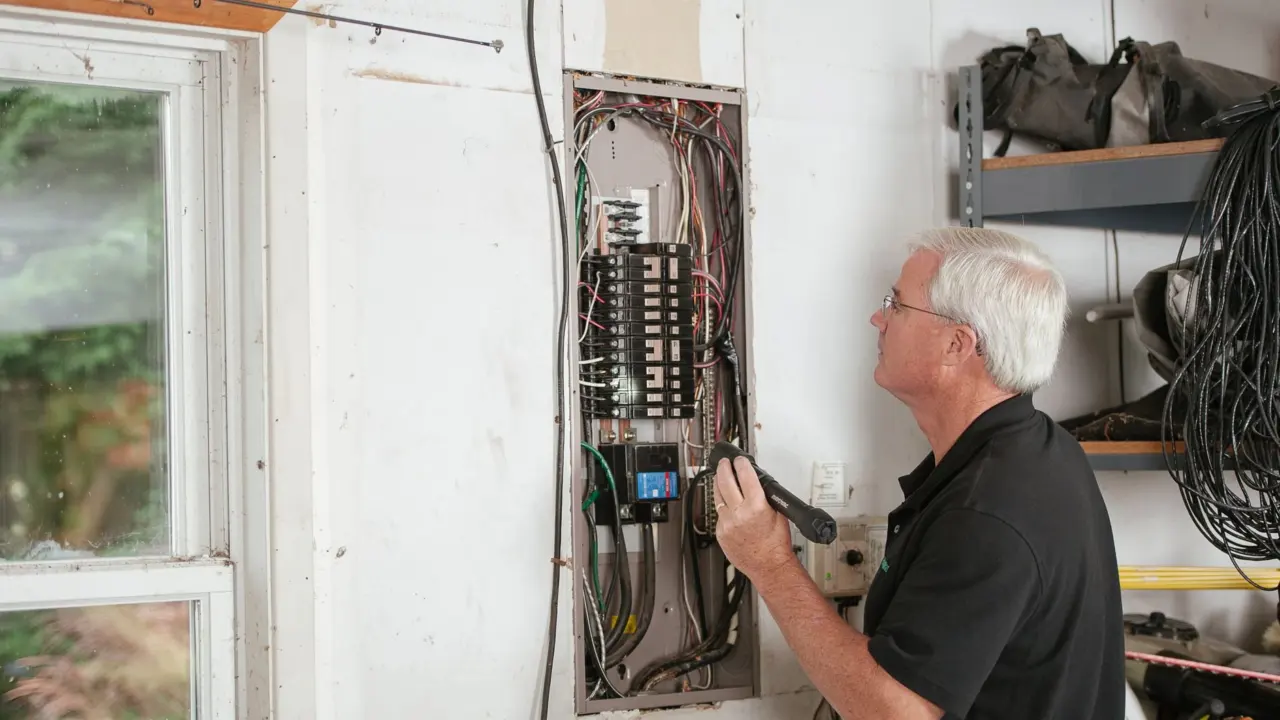
Panel size alone does not settle the question. The EPA says an electrician can determine whether your existing panel can handle an EV charger, and installers describe running a load calculation before any work starts. A useful rule of thumb from the EPA is that a 200-amp service with two empty slots for a double-pole breaker is a strong sign of room. A 100-amp service can still work, depending on how much your other appliances draw.
If the panel is tight, you have two cheaper options to raise before accepting a service upgrade:
- A lower-rated charger. The EPA notes that a 16-amp Level 2 charger might suit your needs if your panel is tight on capacity.
- Load management. The EPA suggests asking your electrician about load management or circuit-sharing systems as an alternative to a panel upgrade.
Sizing the circuit
Residential Level 2 charging generally needs a dedicated dual-pole circuit at 208 or 240 volts, and NEC guidance says each charging station must have its own dedicated circuit. A charging-equipment guide to the NEC rules adds that the cables and breaker must be rated for at least 125% of the output of a continuously operated device. That is why the charger’s rating and the breaker’s rating are never the same number.
When you compare quotes, ask each electrician which charger amperage the quote assumes. The circuit and wire sized for one charger may not carry a higher-rated one later, so decide on the rating you want before the wiring is run.
Hardwired charger or NEMA 14-50 outlet
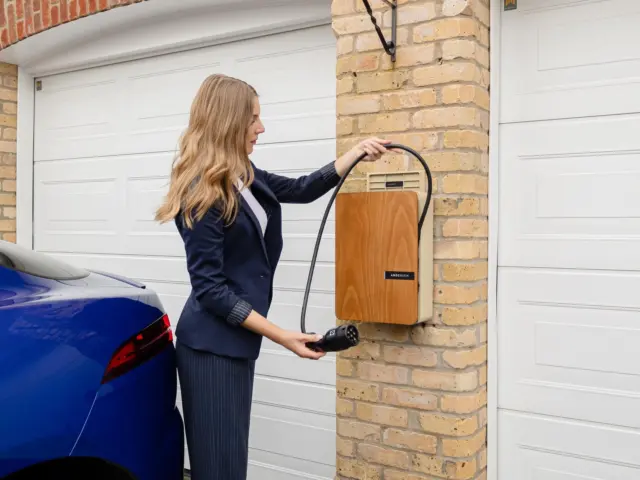
Both routes are legitimate, and the choice mostly follows the charger’s amp rating. The EPA calls NEMA 14-50 outlets a common choice for Level 2 chargers, but it also says chargers rated 48 amps or higher are usually required to be hardwired.
- Plug-in on a NEMA 14-50. According to one electrical contractor, this setup tops out at 40 amps of charging on a 50-amp circuit. It suits a charger at or below that rating and a garage where an outlet location is convenient.
- Hardwired. The same contractor says a hardwired unit can charge at up to 48 amps on a 60-amp circuit. Choose it if you want that higher rate, or if the charger you prefer is rated for it.
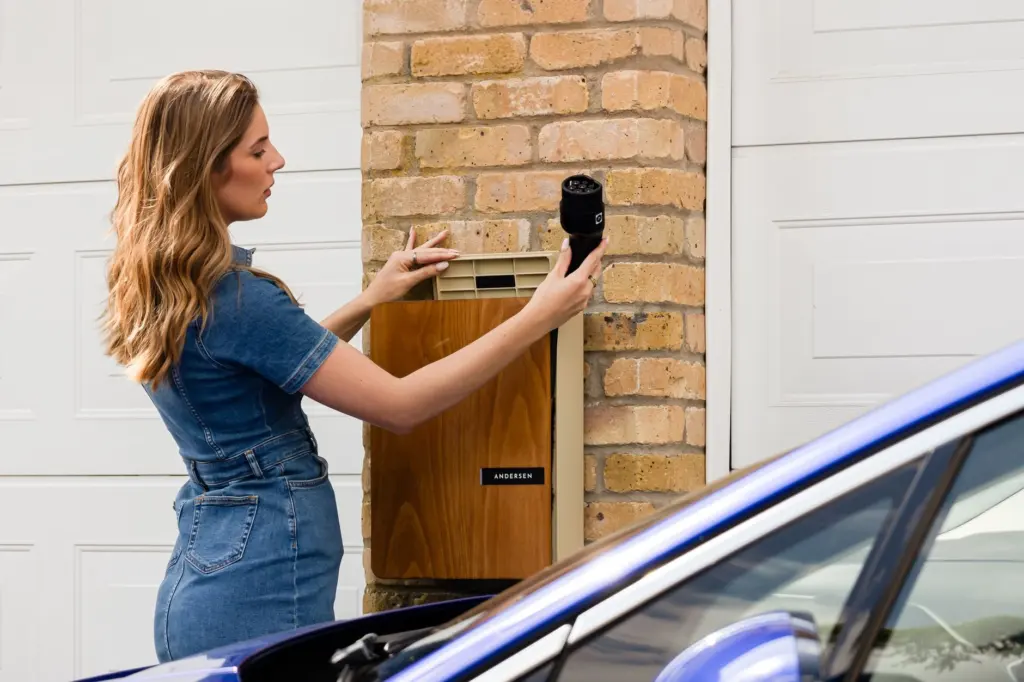
The outlet itself is still part of the electrical work: it needs the dedicated circuit behind it, so a plug-in setup does not avoid the electrician or the permit.
Permits, inspection and safety
The EPA says many areas require permits and safety inspections for residential electrical work, including EV charger installations. Requirements vary by location, so ask the electrician what your local authority expects rather than assuming either way.
In practice the paperwork usually runs through the installer. One contractor states that it pulls the electrical permit with your city or township. The sequence to expect is:
- The electrician confirms the permit requirement and applies for it.
- The circuit and charger are installed.
- The local inspector reviews the work before it is signed off.
Equipment matters for safety too. The EPA notes that choosing an ENERGY STAR certified charger ensures it has been approved to meet safety standards. If two chargers fit your budget and amperage, certification is a sensible tie-breaker.
What the electrician does on the day
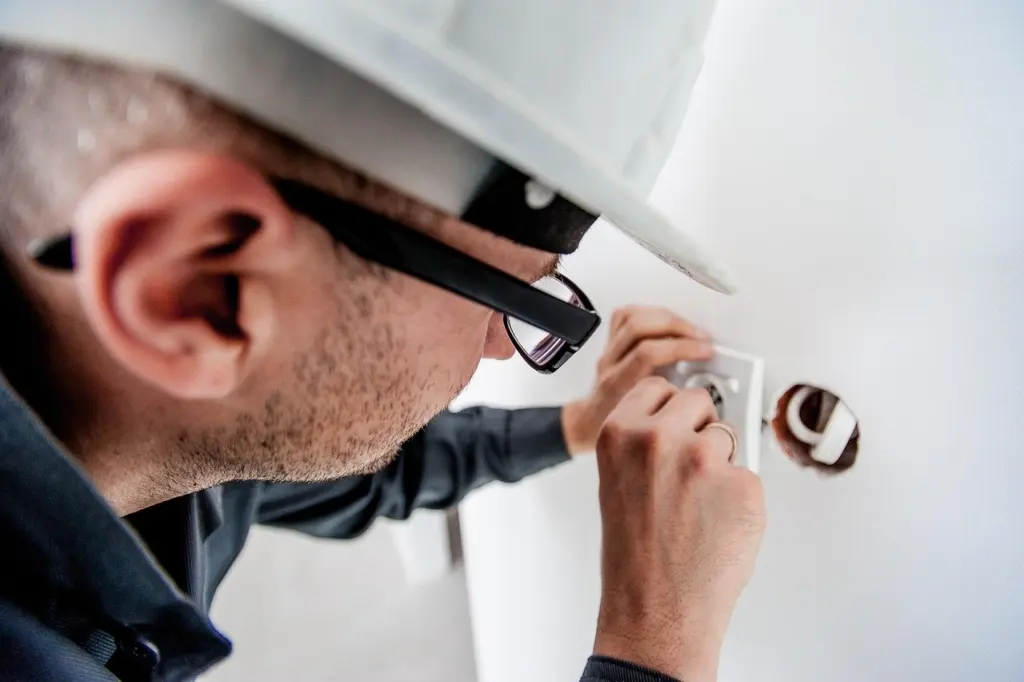
The visit is less mysterious than it sounds. The contractor above describes the core work as running the dedicated circuit, mounting the charger and setting its amperage to match the breaker. Before that, the electrician looks at your panel and runs the load calculation.
How long it takes
Most Level 2 installations take a few hours to one day, per the contractor’s own estimate. Another provider calls it a 2-to-4-hour job for an experienced electrician, and says a simple install, with the panel on the garage wall next to the mounting location, takes about 2 hours. The practical lesson is that distance between the panel and the charger is what stretches a job. Clear a path, and tell the electrician if the panel is in another part of the house.
Permit and inspection scheduling sit outside that on-site time, so do not plan to charge on the same day unless the electrician confirms the inspection arrangement.
Pre-install checklist
Work through these before the electrician arrives, and the quote will be firmer and the visit shorter.
- Charger rating. Pick the amperage you want, remembering that 48 amps or more usually means hardwiring.
- Panel details. Note the service size and whether double-pole slots are free, then ask for a load calculation.
- Fallback options. Ask about a lower-rated charger or load management if the panel is tight.
- Charger location. Choose a spot close to the panel, since that shortens the circuit run and the job.
- Permit and inspection. Ask who files the permit and who arranges the inspection.
- Certification. Prefer an ENERGY STAR certified charger.
Your vehicle choice shapes how much home charging you need. Our look at The Most Fuel‑Efficient Cars Ever: The Ultimate Guide To Record Holders And Real‑World Winners (2026) – Fixourfuel covers efficiency leaders, and Hybrid vs Electric Cars: How To Choose The Right One For You In 2026 – Fixourfuel helps if you have not yet settled on a plug-in.
Frequently asked questions
| Question | Answer |
|---|---|
| How much range does a Level 2 charger add? | The EPA says about 25 to 40 miles of range per hour. A charging-equipment guide quotes a lower 20 to 25 miles per hour, so treat the result as a range rather than a promise. |
| How much power does a Level 2 charger deliver? | Level 2 chargers generally provide about 6.2 to 19.2 kilowatts, according to this NEC requirements guide. Home units sit within that range, depending on amp rating. |
| Is my home’s electrical supply suitable? | Most American homes have single-phase electrical systems, which suit residential Level 2 charging, per the same guide. The panel still needs a capacity check by an electrician. |
| Which part of the NEC covers EV charging? | Article 625 covers EV charging for passenger automobiles, buses, trucks and vans, according to the NEC summary. Your electrician applies it along with local rules. |