
A driver shopping for the best fuel efficient cars finds hybrids rated in MPG and plug-ins rated in MPGe. Quick answer: compare EPA combined ratings within each type, then weigh price and how you drive.
Within the sedans below, the standard-hybrid Toyota Camry rates highest. For the wider picture on charging and ownership, see our electric vehicles guide.
Ranking fuel-efficient cars by combined MPG
Electric cars and plug-in hybrids are by far the most fuel-efficient vehicles in America according to EPA ratings, as AutoNXT’s fuel-economy ranking notes. That list orders vehicles by EPA combined MPG first and city MPG second, which is a sensible convention to copy when you build your own shortlist. Among hybrids and ordinary sedans, the spread is wide enough that the model matters more than the badge.
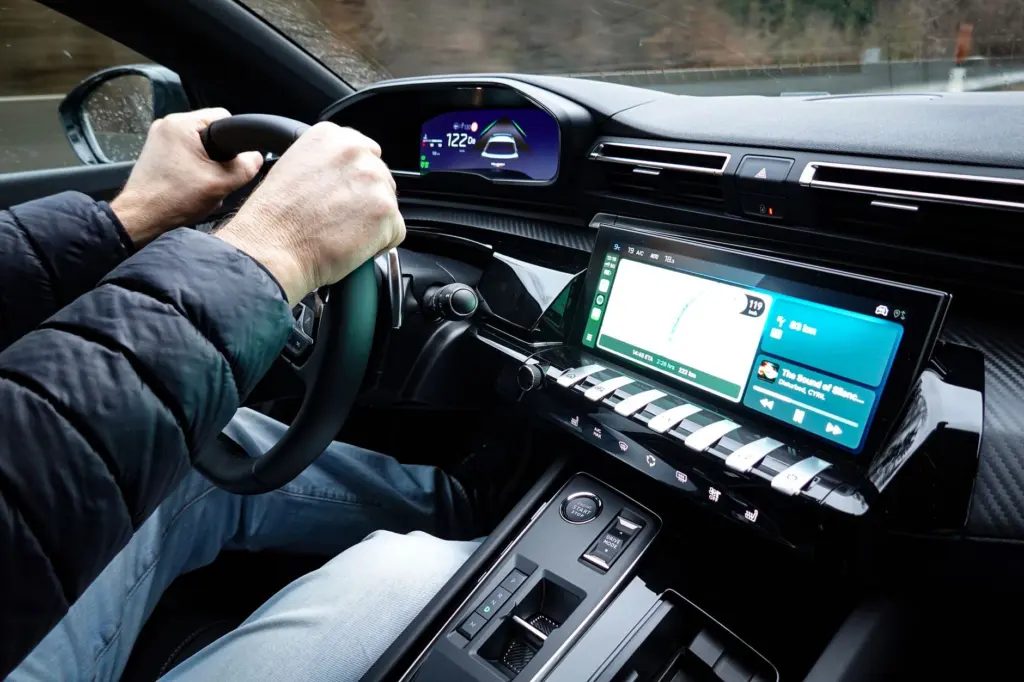
The table mixes current-year sedans with earlier model-year hybrids. Compare cars within the same model year before reading much into a small gap.
| Car | EPA combined MPG | Starting price | Planning use |
|---|---|---|---|
| 2026 Toyota Camry (standard hybrid) | 51 | $30,495 | Highest combined rating here; the pick when fuel use per mile is the priority |
| 2022 Hyundai Tucson Hybrid Blue | 38 | $29,750 (2022 MSRP) | Same figure in city, highway and combined, so mixed driving changes little |
| 2022 Ford Maverick Hybrid | 37 (42 city, 33 highway) | $19,995 (2022 MSRP) | Lowest entry price in the table; best suited to town-heavy driving |
| 2022 Kia Sorento Hybrid | 37 (39 city, 35 highway) | $34,090 (2022 MSRP) | A larger hybrid for buyers who need the space |
| 2026 Honda Civic | 36 | $25,890 | Sits between the Elantra and Accord on price |
| 2022 Toyota Sienna (hybrid-only) | 36 | $35,285 (2022 MSRP) | For families that need a van; no non-hybrid version to choose |
| 2026 Hyundai Elantra | 35 | $23,870 | Matches the Versa’s rating at a higher price |
| 2025 Nissan Versa | 35 | $18,530 | Cheapest to buy in the table with the same rating as the Elantra |
| 2026 Honda Accord | 33 | $29,590 | Lowest rating here; a larger car with efficiency a lesser priority |
Ratings and prices for the 2026 and 2025 sedans come from Kelley Blue Book’s fuel-efficient sedan list, and the 2022 hybrids from AutoNXT’s list of fuel-economy leaders.
The Camry’s 51 combined makes the case for a hybrid on fuel use alone. It starts at $30,495, against $29,590 for the Accord, which rates 33. Treat the gap in rating, not the gap in sticker price, as the starting point for your running-cost sums.
How MPG and MPGe are read
Miles per gallon states how far a car travels on a gallon of fuel, and EPA ratings give separate city, highway and combined figures. The official data sit on fueleconomy.gov, a joint EPA and DOE website, and the ENERGY STAR electric vehicle and plug-in hybrid finder draws on the same data. Electric cars carry an electric MPG figure, written MPGe, with city, highway and combined values plus an electric range. For example, the 2019 smart EQ fortwo convertible is listed at 102 MPGe combined, with 112 city and 50 highway.
Compare MPG with MPG and MPGe with MPGe. A hybrid’s MPG and an electric car’s MPGe sit on one rating label but answer different practical questions: gallons per mile for one, and electric range and charging time for the other.
Misunderstandings that skew the comparison
Four assumptions lead buyers to the wrong car. Each is contradicted by the ratings themselves.
- Higher price does not buy higher MPG. The Nissan Versa at $18,530 and the Hyundai Elantra at $23,870 both rate 35 MPG combined, while the Honda Accord at $29,590 rates 33 MPG combined.
- Combined MPG hides the city and highway split. The 2022 Ford Maverick Hybrid is rated 42 city and 33 highway, while the Tucson Hybrid Blue is rated 38 in all three. Motorway-heavy drivers should check the highway figure, and town drivers the city one.
- Long electric range does not mean better efficiency. On the ENERGY STAR finder, the 2025 Mercedes-Benz EQS 450 4MATIC has a 367-mile range but rates 92 MPGe combined. The 2024 EQB 250 Plus manages 251 miles and rates 107 MPGe. Range tells you how far you can go; MPGe tells you how much energy that costs.
- A hybrid is not a plug-in hybrid. Kia sells the Sorento Hybrid, rated 37 combined, and a separate Sorento Plug-In Hybrid that pairs a turbocharged 1.6-litre engine with a 66.9 kW motor for 261 hp combined, with AWD available. Look up the correct listing for the version you are pricing.
Plug-in hybrids and electric vehicles
The ENERGY STAR finder lists 177 plug-in hybrid records and 823 electric vehicle records, so the choice is far wider than the three EVs quoted here. Among them, the 2024 EQB 250 Plus has the best rating at 107 MPGe combined, ahead of the 2019 smart EQ fortwo convertible at 102 and the EQS 450 4MATIC at 92. The smart’s 57-mile electric range suits a short, predictable commute. The EQS’s 367 miles suits a driver who wants fewer stops on long trips and is willing to accept a lower MPGe.
For plug-in hybrids, the electric range on the EPA listing is the figure to check. It decides how many of your daily trips can run on electricity before the petrol engine takes over. If you can charge at home, read What Is a Level 2 Charger? Your Practical Guide To Faster EV Charging In 2026 – Fixourfuel before settling on a plug-in, because charging speed shapes how practical a plug-in routine is.
Running cost per mile: which switch pays
Running cost per mile falls as MPG rises and climbs with the price of fuel. For an electric car, the electricity price and MPGe do the same job. Compare the cost per mile of the car you drive now with that of the car you are considering, using local fuel or electricity prices, before adding the purchase-price gap.
On the ratings, the hybrid Camry’s combined MPG is well above the Accord’s, which points to fewer gallons burned over the same distance. Whether it is cheaper overall depends on the price premium and how many miles you drive. Check each model’s own listing rather than a single comparison tool: a 2012 EPA Hybrid Compare feature did not cover all hybrids, all-electric or plug-in vehicles, or diesels.
- Choose a hybrid if you cannot charge at home. The Camry shows a standard hybrid can top this list without any plug-in routine.
- Choose a plug-in hybrid if most daily trips fit inside its electric range and you can plug in regularly. Otherwise you carry a larger system without using it.
- Choose an electric car if you have reliable home charging. Weigh servicing too; our guide to electric car maintenance costs covers what an EV needs.
- Stay with an efficient petrol car if low purchase price matters most. The Versa and Elantra rate alike, so the cheaper one gives the same fuel use.
Improving real-world fuel economy
Real-world results move with how you drive. Denton Ford’s guide to fuel-efficient cars points out that city and highway MPG can vary significantly depending on driving habits, and that maintaining a steady speed and avoiding sudden braking can enhance fuel economy. Smooth driving is therefore the cheapest improvement available, whichever car you buy.
Match the rating to your driving: judge a car by its city figure if your trips are short and stop-start, and by its highway figure if you mostly cruise. Then watch your trip computer over several tanks or charges and compare it with the label.
Frequently asked questions
| Question | Answer |
|---|---|
| How long does a 240V charge take for an electric car? | It varies by model. The ENERGY STAR finder lists a 3-hour charge for the 2019 smart EQ fortwo convertible, 8 hours for the 2024 EQB 250 Plus and 13 hours for the 2025 EQS 450 4MATIC. Check the listing for your exact model. |
| Where do official fuel economy figures come from? | From fueleconomy.gov, a joint EPA and DOE website. The ENERGY STAR finder uses that data and lists 177 plug-in hybrid and 823 electric vehicle records. |
| Should I compare combined or city MPG? | Start with combined MPG, the figure fuel-economy rankings sort by first, with city MPG as the tiebreaker. Then look at the city or highway figure that matches how you drive. |