Knowing how to calculate EV charging cost comes down to one chain: the kWh the car draws, multiplied by your price per kWh, with a small allowance for charging losses. Divide by miles driven for cost per mile.
This page works through that chain with published examples and shows where home, overnight and public fast charging change the answer. For wider context on owning one, see our electric vehicles guide.
How the calculation works
EV charging cost is the energy added to the battery, in kilowatt-hours, multiplied by the price you pay for each kilowatt-hour. The same four stages apply whether you charge at home or at a public station.
- Find the energy needed. Battery capacity is the number of kilowatt-hours (kWh) of energy the battery can hold. A full charge from empty uses the whole figure; a top-up uses only the kWh between your starting and finishing state of charge.
- Allow for losses. Not every kWh drawn from the wall ends up in the battery. Car and Driver adds 10 percent to the recharge energy in its home-charging calculations and 5 percent for fast charging, which is a sensible allowance to copy.
- Multiply by the price per kWh. The basic method is to take the battery’s kWh and multiply by your price per kWh. Use the rate on your own bill or the public station’s tariff.
- Convert to cost per mile. Work from the car’s kWh per 100 miles instead of the battery size, as the cost-per-mile section below shows.
The next section covers the inputs that move each stage.
Inputs that move the number
Battery capacity and state of charge
A larger battery costs more to fill, but you rarely fill it from empty. Charge rate also changes along the way, because the battery’s state of charge and the ambient temperature both affect how fast the car accepts energy. Treat any charging-time estimate as approximate. The cost of the energy itself depends on kWh, not on how long it takes.
Vehicle efficiency
Efficiency decides how far each kWh goes. EVs consume about 25 to 40 kWh for every 100 miles driven, so two cars on the same tariff can differ noticeably in running cost. If efficiency is your main buying criterion, The Most Fuel‑Efficient Cars Ever: The Ultimate Guide To Record Holders And Real‑World Winners (2026) – Fixourfuel shows how far efficiency records have been pushed.
Electricity price
The average U.S. residential rate is about $0.175 per kWh, but your own rate can sit well above or below that. Rates differ by state, and the U.S. Department of Energy’s vehicle cost calculator asks you to select a state so it can apply the local electricity price. Use that as a quick cross-check against the figure on your bill.
Cost of a charge at home
A home charge is the cheapest case to calculate because one flat or time-banded rate applies. In a Texas example, a 40 kWh battery at 11.4 cents per kWh costs $4.56 to charge fully.
That figure multiplies battery size by price and nothing more. For a realistic bill, include a loss allowance such as the 10 percent Car and Driver applies to home recharging, which pushes the real cost somewhat above the simple product. Partial charges are cheaper in proportion, so a driver who tops up a few times a week pays for the kWh actually added, not for the battery’s full capacity.
Cost per mile and the petrol comparison
To get cost per mile, multiply the car’s kWh per 100 miles by your price per kWh, then divide by 100. The table shows published results for 100 miles of driving, set against gasoline (petrol) equivalents.
| Scenario | Energy or fuel per 100 miles | Price basis | Cost per 100 miles | Planning use |
|---|---|---|---|---|
| Model 3, home charging in Oklahoma | 22.0 kWh | $0.113/kWh | $2.73 | Shows how low a cheap-rate state can push running cost |
| BMW 330i, premium gasoline | About 3.2 gallons | Premium gasoline | About $11 | Petrol benchmark to set against the Model 3 |
| Equinox EV, home charging | 26.6 kWh | $0.175/kWh (U.S. average residential) | $5.13 | Typical-rate home case for a larger EV |
| Equinox with a gasoline engine | Rated 27 mpg | Gasoline | $11.63 | Direct petrol comparison for the Equinox EV |
Figures are from Car and Driver’s electric-vehicle charging-cost analysis, which concludes that home charging is always much cheaper over 100 miles than paying for gasoline, at as little as one-third of the gasoline cost.
The practical reading is that the electricity rate matters, but even at the national average the EV cost less than half the gasoline figure for the same vehicle line. Work out your own number with your rate and your car’s kWh per 100 miles, then compare it with what you pay at the pump. If you still run a petrol car in the meantime, Maximize Your MPG: Practical Ways To Improve Gas Mileage And Save Money In 2026 – Fixourfuel covers ways to lower that side of the comparison.
Night rates and charging speed at home
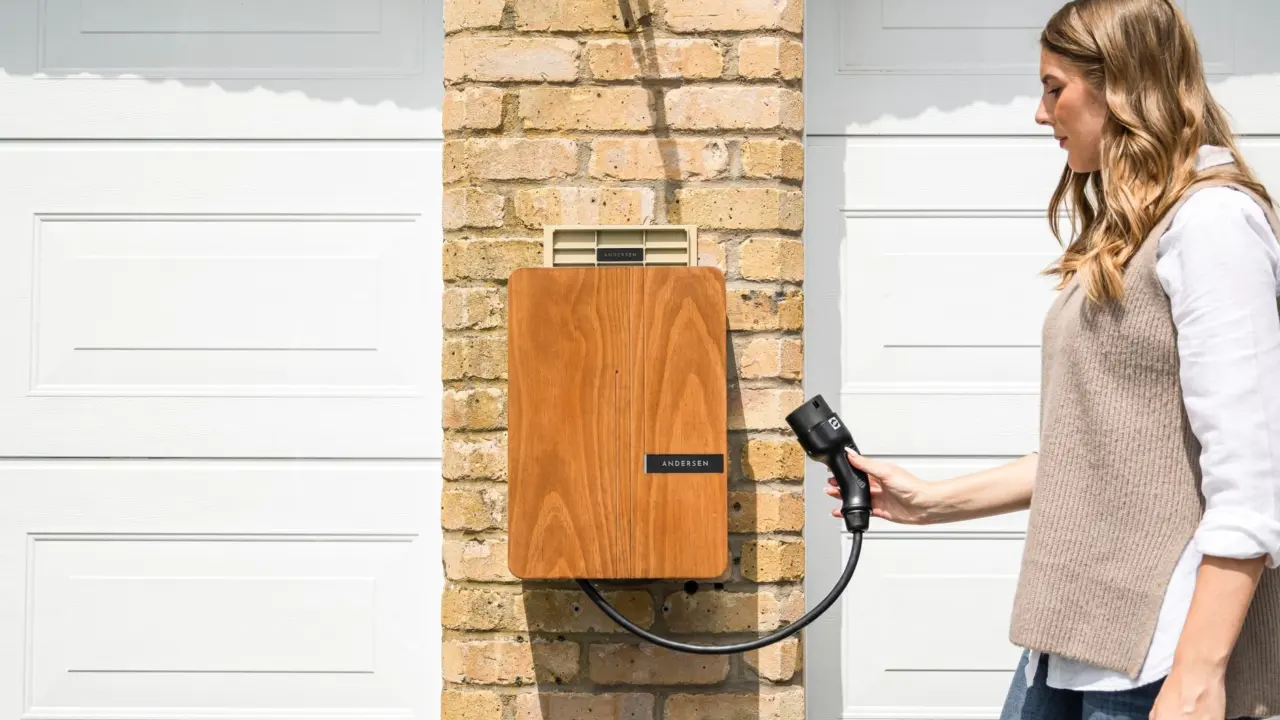
Charging at night saves money only if your utility charges less overnight. Off-peak hours are generally late at night into the early morning, and rates may be lower then. Check your tariff for an off-peak price before you schedule charging, and set the car or charger timer to start inside that window.
Speed decides whether the window is long enough. According to the U.S. Department of Energy’s fueleconomy.gov, Level 1 (120 V) charging adds about 5 miles of range per hour, while Level 2 averages about 25 miles of range per hour and varies significantly among vehicles. Most home Level 2 chargers run on 240 V AC power. A driver with a modest daily commute can usually recover it overnight on either level, but a long daily distance suits Level 2 better.
Public and DC fast charging costs
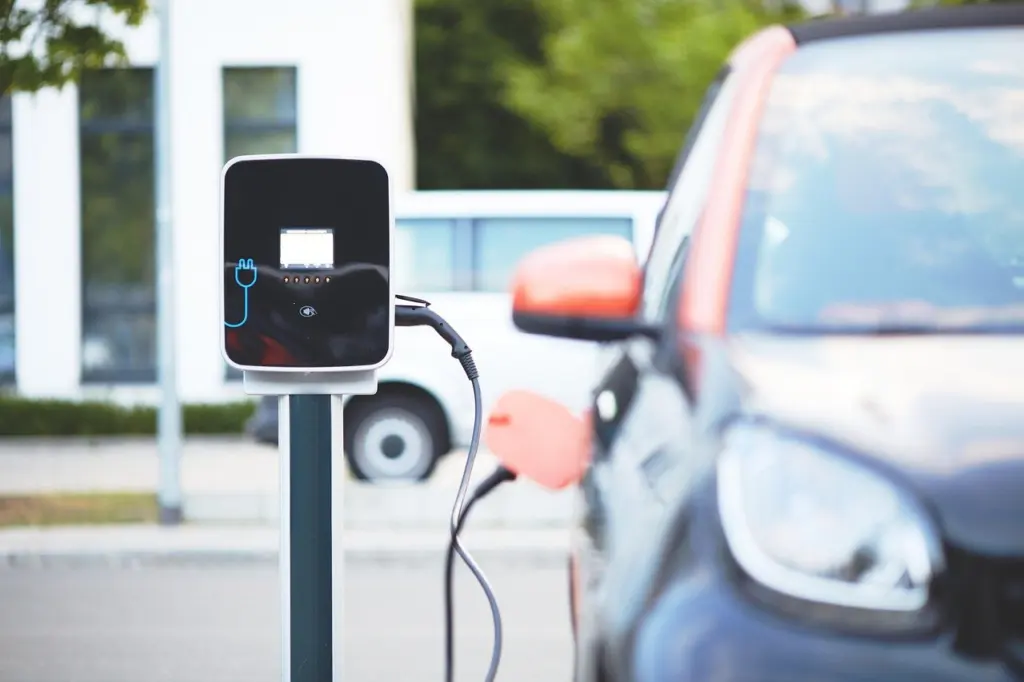
Yes, public fast charging is usually more expensive per kWh than charging at home. DC fast charging, which is also called DC quick charging, adds 100 to 200+ miles of range per 30 minutes. Typical public fast chargers fall in the 11 kW to 50 kW range, with some at 100 kW or more.
That speed is what you pay for. On public networks, prices often range from $0.23 to $0.69 per kWh. For the Equinox EV, 100 miles of fast charging costs between $7.90 and $23.69, against $5.13 at the average home rate and $11.63 for the gasoline Equinox. The cheapest fast-charging session can undercut petrol, while the most expensive one costs more than it.
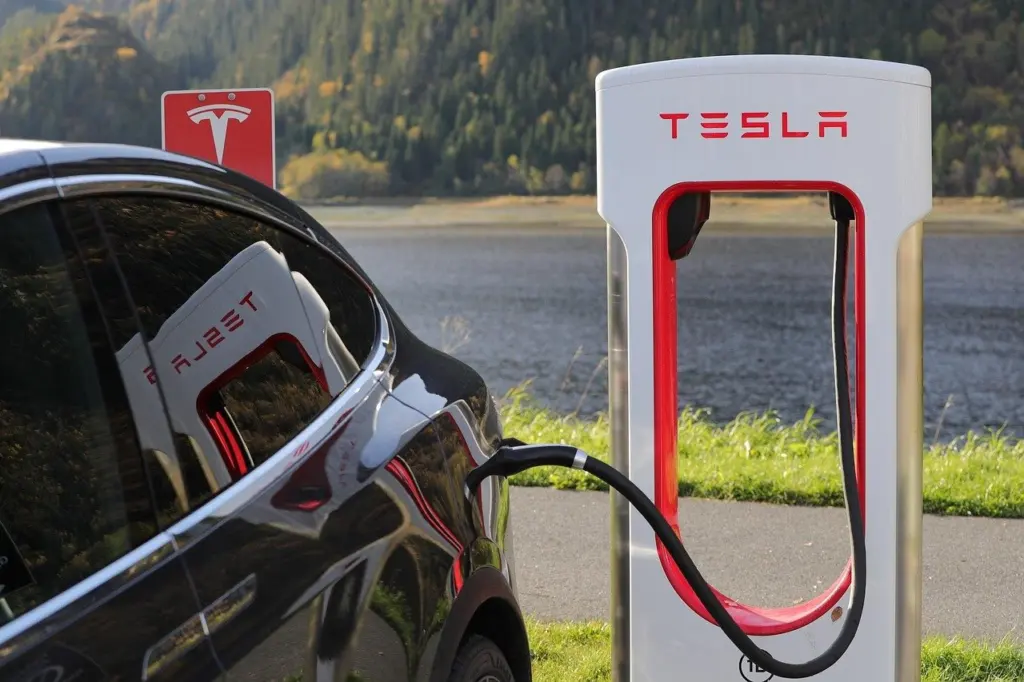
Public prices vary among networks, may be lower at night, and may or may not require a session fee. Read the price on the station or in its app before you plug in, and compare it with your home rate.
Choosing where to charge
- Charge at home for routine driving. It carries the lowest and most predictable price per kWh, and it is the case where the EV comparison with petrol is strongest.
- Keep fast charging for trips and gaps. Pay the higher price when time is the constraint, and look for networks or hours with lower per-kWh rates.
- Re-run the sum when your rate changes. A new tariff, a move to another state or a different car changes the inputs, and the same four stages give the new answer.
Frequently asked questions
How much does it cost to charge an EV at home each month?
It depends on efficiency, distance and rate. The U.S. Department of Energy gives an example of a car with typical efficiency and annual mileage, which adds $45.50 to the monthly electric bill.
How do public chargers bill for a session?
Pricing can be a flat fee, a subscription, a price per kWh or a price per hour, and charging rates vary by region and network. Per-kWh pricing is the easiest to compare with your home rate.
Is a home Level 2 charger worth installing?
It is most likely to pay off if the vehicle has a large battery and you drive 50+ miles/day on electricity, according to fueleconomy.gov. Home charger units generally cost about $400 to $1,000, with installation extra. HomeServe estimates the all-in installed cost at about $1,200.
How long does a home charge take?
A 40 kWh battery on a 7.2 kW charger takes about 5.55 hours, which rounds to around six hours for a full charge. A larger battery or a lower-powered charger takes longer.