| Change | Reported effect | Planning use |
|---|---|---|
| Hard starts and hard braking in city traffic | Can cut fuel economy by as much as 40% | The largest single lever for stop-start commuters. Start here before spending money on anything. |
| Lowering highway speed by 5 to 10 mph | Saves up to 14% of fuel | Worth doing on long highway legs. Treat it as a ceiling, not a target. |
| Idling | Uses 0.25 to 0.5 gallon per hour | Switch the engine off for waits that are clearly longer than a brief stop. |
| Extra cargo | Up to 1% lower fuel economy per extra 100 pounds | A small but free gain. Empty the trunk of anything you do not need. |
| Rooftop luggage | Significantly increases aerodynamic drag, which reduces fuel economy | Remove racks and boxes between trips that need them. |
| Underinflated tires | Increase rolling resistance, which reduces fuel economy | A quick check that costs nothing and protects every other saving. |
These figures come from AAA’s fuel economy guidance. Each percentage is a ceiling for its own condition, so do not add them together.
Knowing how to improve gas mileage starts with driving: smooth starts, steady speeds and a lower highway speed give the largest reported savings, and tires, weight and roof loads add smaller gains.
Drivers who also want to know whether a different powertrain would cut fuel costs further can start with our electric vehicles guide. The changes below cost little or nothing and apply to almost any car.
Driving habits that save the most
How you press the pedals and how fast you travel matter more than any part you can bolt on. These habits cost nothing, and they affect fuel use on every trip.
Starts, braking and stop-and-start driving
Aggressive starts and hard braking can reduce fuel economy by as much as 40 percent in city traffic, according to AAA. Another auto-repair guide puts the penalty of stopping and starting at up to 30% on the highway.
The consequence is simple. A commuter who brakes late and launches hard burns fuel to build speed that is then thrown away at the next stop. Look further ahead, lift off the accelerator early and let the car slow before you reach the stop. This suits city and suburban drivers most, because they have the most stops to smooth out.
Highway speed
In most cars, fuel economy peaks at around 50 to 60 mph and then drops off, and lowering highway speed by just 5 to 10 mph can save up to 14 percent of fuel, according to AAA. A NewsNation consumer guide adds that fuel economy decreases rapidly as speed rises over 50 mph.
The practical reading is that the first few mph you shed from a high cruising speed return the most fuel. On long highway trips, ease off from your habitual top speed before trying anything else. The 14% figure is the most the source reports, so expect less on a short or congested route.
Cruise control and steady speed
Maintaining a consistent speed uses less gas than constantly speeding up and slowing down, which is the case for cruise control on open, even roads. It suits drivers whose speed drifts on long journeys. On hilly roads the picture changes, as the FAQ below explains.

Idling and short stops
Yes, idling wastes fuel. An engine consumes one quarter to one half gallon of fuel per hour when idling, and you get zero miles for it. That figure comes from AAA.
The same guide notes that restarting a warm engine takes only around 10 seconds’ worth of fuel, which a second auto-repair guide also reports. A wait that runs well past a few moments therefore costs more fuel idling than restarting would. Typical examples are a school pickup line, a railway crossing with a long train, or waiting in a parked car.
- Switch off when the wait is clearly open-ended. Parked at a curb or in a pickup queue, turning the key off costs less fuel than idling.
- Keep the engine running in moving traffic. In a slow crawl that shifts every few seconds, the restart is not the better choice, and safety comes first.
- Combine errands. Several stops run back to back, while the engine is warm, mean fewer cold starts and less time idling between them.
Tires, weight and roof loads
Three physical effects drag on fuel economy: rolling resistance, extra weight and air resistance. All three can be fixed without a mechanic.
Tire pressure
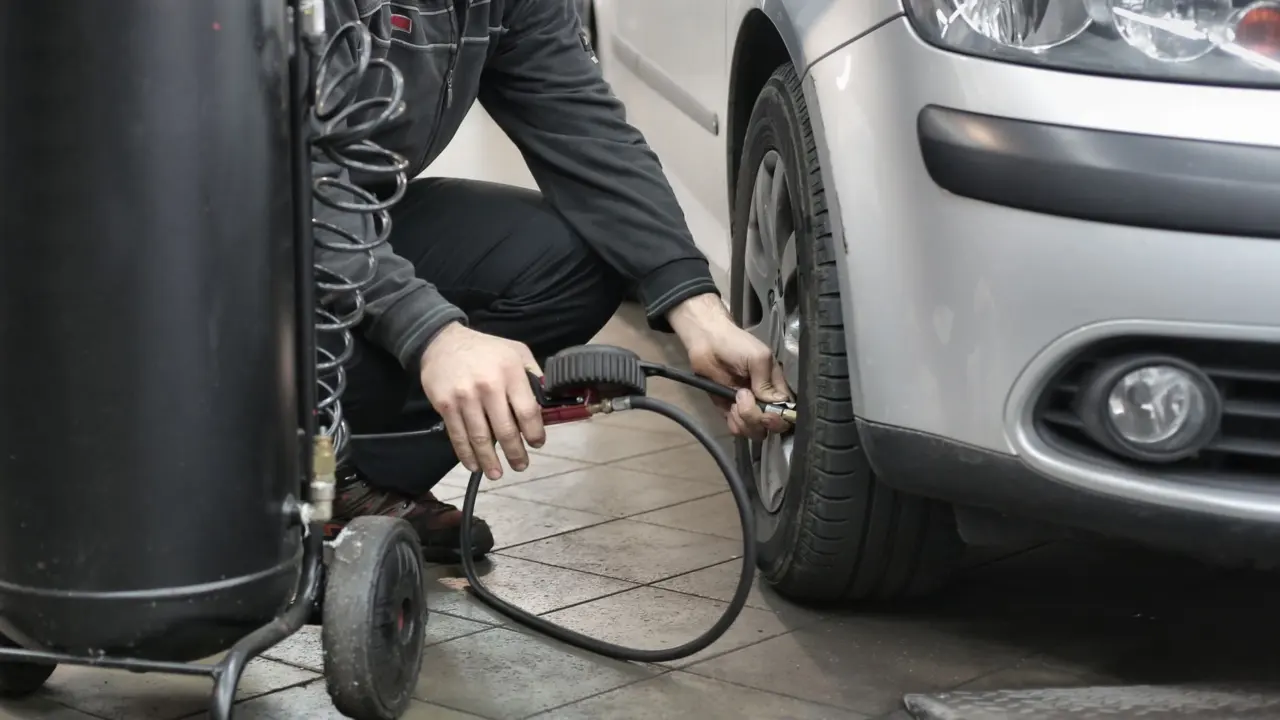
Yes, tire pressure affects MPG. Underinflated tires have increased rolling resistance, which reduces fuel economy, AAA explains. One dealer guide says the loss can be as much as 3%.
That is a modest number, but the fix takes minutes. Check pressure with a gauge when the tires are cold, and inflate to the pressure the vehicle maker specifies rather than the number printed on the tire sidewall. Do this before judging whether any other change has worked, because a soft tire can hide the gains from your new driving habits.
Cargo weight and roof racks
Weight and drag are separate problems, and each deserves its own fix.
- Weight. An extra 100 pounds can reduce fuel economy by up to 1 percent, per AAA. Treat this as a reason to clear out gear that lives in the trunk, not as a reason to unload essentials.
- Roof racks and cargo boxes. Yes, they reduce fuel economy. Items carried on top of the car significantly increase aerodynamic drag, and drag grows with speed. That makes an unused rack on a highway commuter a steady, avoidable cost. If you use the rack monthly rather than daily, taking it off between trips is worth the few minutes.
Maintenance with smaller payoffs
Maintenance protects the gains from driving habits more than it creates new ones. AAA notes that a dirty engine air filter can reduce fuel economy, especially in an older car or under severe driving conditions. Check the filter at the interval in the owner’s manual, and sooner if you drive on dusty roads.
Oil grade is the other item worth checking. A NewsNation consumer guide reports that using the correct oil can improve fuel economy by up to 2%. The word “correct” matters: use the grade the manufacturer specifies and do not assume thinner is better.
Tracking results and what the savings are worth
Every car has three different mpg estimates, for highway, city and combined driving, but these rarely reflect real-world conditions, AAA points out. The window sticker is a starting point, not the target to measure against.
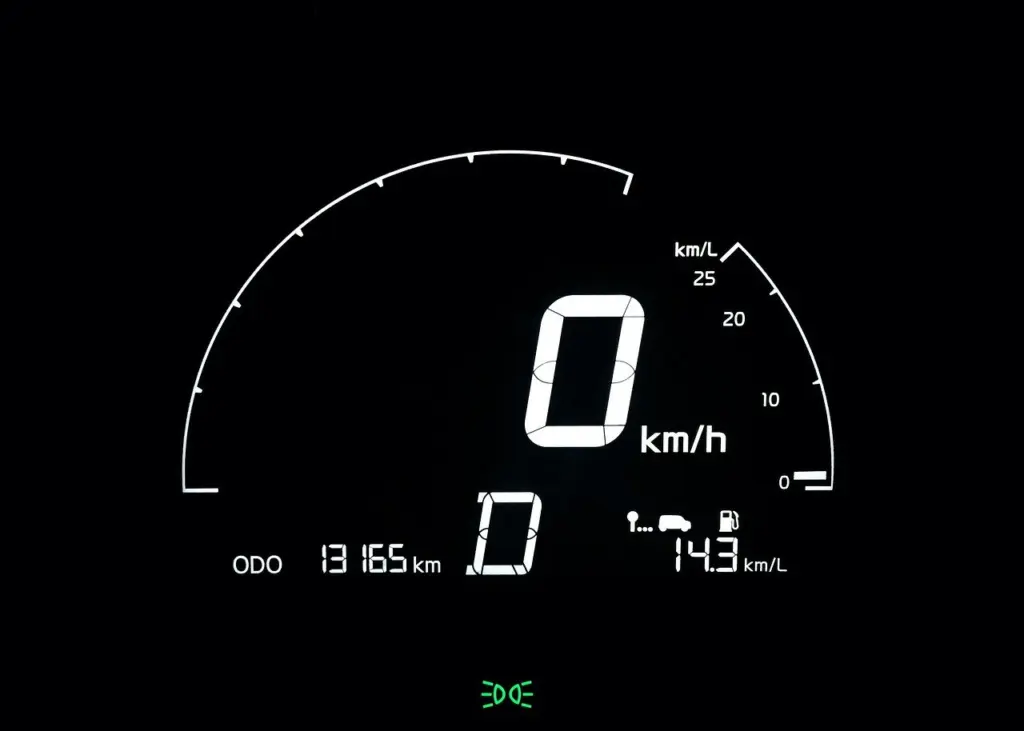
Instead, compare your own numbers. Note miles driven and fuel added at each fill-up, then change one habit at a time and watch the trend over a few tanks. Many dashboards also show a running fuel economy figure, which gives quicker feedback on smooth driving, though the fill-up record is the more reliable check.
To see what a change in fuel economy is worth, consider the scale of a car swap. The NewsNation guide reports that a fuel economy upgrade saves about $1,500 per year, based on its example fuel price and annual mileage. Habit changes will not match that, but they cost nothing and apply to the car you already own.
When habits are not enough
If your routes are mostly short stop-start trips, driving habits only go so far. In that case, a vehicle with a different powertrain may save more. Our guide to The Most Fuel‑Efficient Hybrid Cars In 2026: Top Picks, Real MPG, And Which One Fits You – Fixourfuel compares options that suit that kind of driving. For drivers considering a plug-in switch, How Much Does It Cost To Charge An EV? Simple Calculations And Real-World Examples (2026) – Fixourfuel shows how to put charging costs next to petrol costs.
Frequently asked questions
Is cruise control always the more efficient choice?
No. Cruise control tries to hold a constant speed even when climbing hills, which makes the engine work harder and burn more fuel, according to a NewsNation consumer guide. It works best on flat, open roads. On hilly routes, driving by hand lets you ease off before a crest.
Is it better to open the windows or run the air conditioning?
At highway speeds, lowered windows add considerable drag, which reduces fuel economy, so closed windows are usually the better choice there, per the same NewsNation guide. Air conditioning loads the engine, so it is not free either. At lower speeds, open windows add less drag.
Why is my real-world MPG lower than the rated figure?
Ratings come as three estimates, for highway, city and combined driving, and AAA says they rarely reflect real-world conditions. Speed, stop-and-go traffic, cargo and tire pressure all move your own figure away from the sticker.
What speed gives the best fuel economy?
In most cars, fuel economy peaks at around 50 to 60 mph and then drops off, per AAA. Your own vehicle may differ, so confirm with your fill-up records.