
| Model (2027) | Rated figure | Planning use |
|---|---|---|
| Toyota Prius | Up to 57 mpg combined; base MSRP $28,755 | The top-rated pick here for drivers who cannot plug in. Also the lowest base price of the priced models in this table. |
| Toyota Camry Hybrid | Up to 51 mpg combined; base MSRP $29,700 | Every Camry in the 2027 lineup is a hybrid, so there is no powertrain choice to weigh. Pick it if you want a Camry. |
| Toyota Corolla Hybrid | Up to 50 mpg combined | Rated close to the Camry Hybrid, so size and price should decide between them, not the rating. |
| Toyota Prius Plug-in Hybrid | Up to 44 miles all-electric; up to 127 MPGe combined; base MSRP $33,980 | Costs more than the Prius at base price. Worth it only if you can charge regularly and your daily trips fit inside the electric range. |
| Any model | Real-world economy varies with driving, maintenance, air conditioning, weather, road conditions and load | Use the label to compare cars, not to promise your own mileage. |
Ratings come from Toyota’s fuel-efficient car listings and the label guidance on EPA’s fuel economy site.
The most fuel efficient hybrid cars in Toyota’s lineup are led by the Prius at up to 57 mpg combined, but the right pick depends on whether you can plug in and how you drive.
Hybrids sit between conventional gasoline cars and fully electric ones, and our electric vehicles guide covers that wider choice. This page focuses on turning ratings into a decision.
Best-rated hybrids and what the ratings mean
Among the models Toyota lists for 2027, the Prius has the highest EPA-estimated rating at up to 57 mpg combined. The Camry Hybrid follows at up to 51 mpg combined, and the Corolla Hybrid at up to 50 mpg combined, according to Toyota. Those three ratings sit close together. In practice, body size, base price and the way you drive will usually matter more than the difference between them.
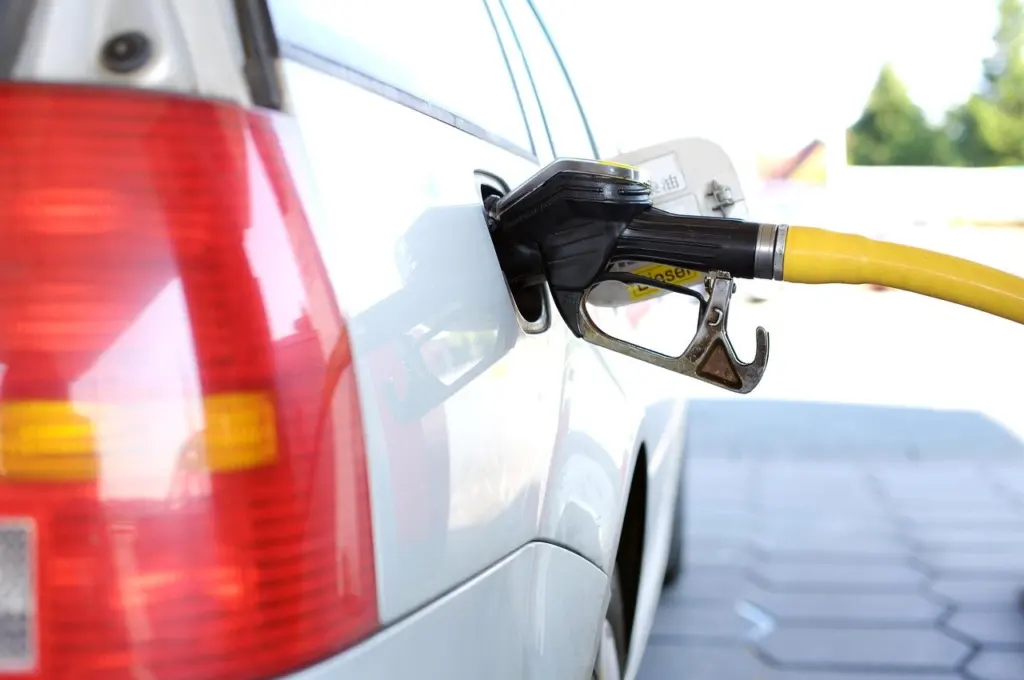
Toyota quotes these as “up to” figures, so confirm the rating on the label of the exact version you plan to buy. They are also one maker’s figures. To compare hybrids from other brands on the same basis, use fueleconomy.gov, which is administered by Oak Ridge National Laboratory for the U.S. Department of Energy and the Environmental Protection Agency (EPA).
The plug-in version needs separate handling. Toyota lists the Prius Plug-in Hybrid at up to 127 MPGe combined with up to 44 miles of all-electric range. That MPGe figure converts electricity into gasoline-equivalent terms, so it should not be set directly beside the mpg figure of a standard hybrid. Compare plug-ins on electric range, the gasoline-only rating and your ability to charge.
Matching a hybrid to your routine
The rated figure only helps once it is matched to how and where you drive. These choices follow from the ratings and prices that Toyota publishes.
- No charging at home or work: Choose a standard hybrid such as the Prius, Camry Hybrid or Corolla Hybrid. A plug-in that is never charged runs on gasoline, and the right-hand box of its label shows that gasoline-only economy once the battery is emptied. You would be paying extra for a battery you do not use.
- Short daily trips and dependable charging: The Prius Plug-in Hybrid is the model to consider, with up to 44 miles of all-electric range. The label range is an approximate combined city and highway distance on a full charge, so a daily round trip comfortably inside it is a better fit than one that just reaches it.
- A preference for the Camry: The 2027 Camry lineup is all hybrid, rated at up to 51 mpg combined with a base MSRP of $29,700. That base price is higher than the Prius, so the Camry suits buyers who want that car rather than the best possible rating.
- A tight purchase budget: The Prius has the lowest base MSRP of the priced models here at $28,755, while the Prius Plug-in Hybrid starts at $33,980. The plug-in has to earn its higher price through regular charging.
- A mixed or unpredictable week: A standard hybrid carries no charging obligation, so it suits drivers whose routes and access to power change from week to week.
Rated versus real-world MPG
The EPA label states that real-world fuel economy depends on how you drive and maintain your vehicle, how much you use air conditioning and other accessories, and on weather, road conditions and load. Its own wording is on the EPA label page. The practical consequence is that two owners of the same hybrid can record different results, and neither is wrong.
Use the rated figure to rank candidates, then check it against your own conditions. A test drive on your usual commute shows how the car behaves on your roads. If you carry heavy loads, run the air conditioning often or drive in extreme weather, expect to sit further from the headline number than a light-load driver in mild conditions.
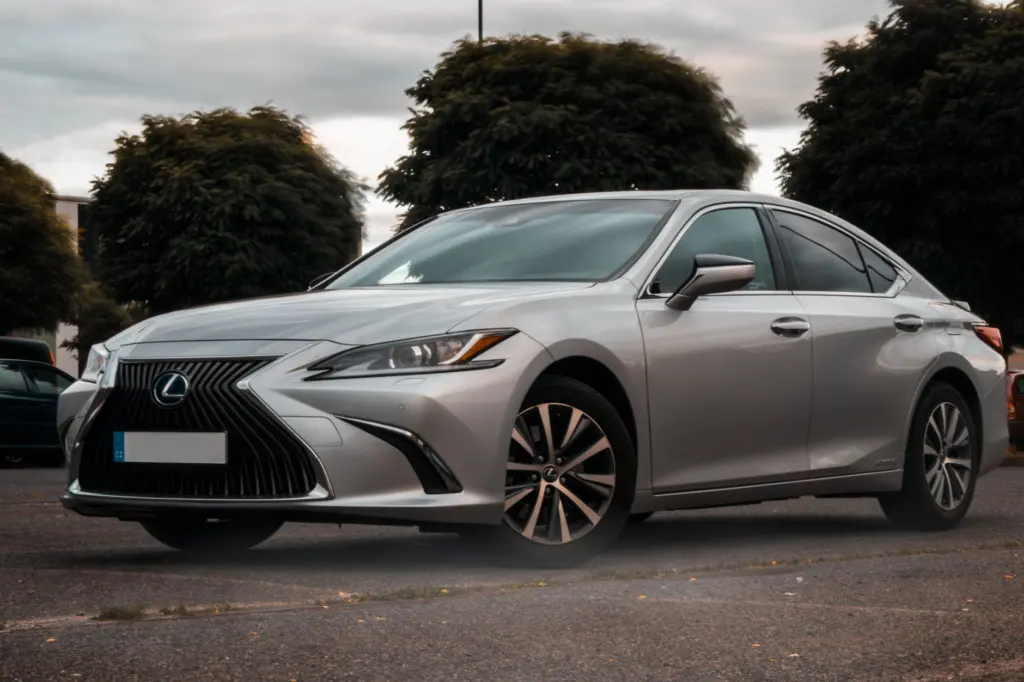
Habits also move your own numbers. Our guide, Maximize Your MPG: Practical Ways To Improve Gas Mileage And Save Money In 2026 – Fixourfuel, covers the changes you control, and they apply to hybrids as much as to any other car.
Are hybrids worth the price?
A hybrid is worth buying when the fuel it saves outweighs its price premium over the car you would otherwise buy, and that depends heavily on how far you drive. The EPA label helps with the first half of that sum. It shows the estimated fuel cost over a five-year period compared with the average new vehicle.
Read that estimate with its assumptions in mind. According to the EPA, annual cost figures assume 15,000 miles per year, and the gasoline price comes from U.S. Energy Information Administration projections, updated annually by model year. If you drive well under that distance, your savings will be smaller than the label implies. If you drive more, they will be larger.
The same EPA page explains why the biggest gains come from the least efficient cars. Moving from 10 to 15 MPG saves about 33 gallons per 1,000 miles, while moving from 30 to 35 MPG saves about 5 gallons. For a buyer, that means the jump from a thirsty vehicle to any efficient hybrid matters more than the small gap between hybrids rated in the same high range. Do not pay a large premium to move up a few mpg among hybrids already near the top.
Price is the other half. Toyota’s base MSRPs run from $28,755 for the Prius to $29,700 for the Camry and $33,980 for the Prius Plug-in Hybrid. If a new hybrid stretches your budget, the used market may suit you better, and Best Fuel‑Efficient Used Cars For 2026: Save Money At The Pump With These Top Picks – Fixourfuel weighs that route.
How hybrid fuel economy is measured
EPA combined MPG is a weighted average of city and highway values, with the city value weighted by 55% and the highway value by 45%, as the EPA label guidance describes. If your driving is almost entirely city or almost entirely highway, the combined figure is a blend that may not mirror your own routine. Look at the separate city and highway values on the label in that case.
Some form of the miles per gallon metric has been on U.S. vehicle labels since 1977. The EPA also notes that fuel efficiency can be expressed as consumption, such as gallons per mile or per 100 miles. That form makes comparisons clearer, because it shows directly how much fuel a given distance uses and avoids the shrinking returns that MPG hides at higher ratings.
Hybrid versus plug-in hybrid
A plug-in hybrid can run on electricity from the grid and on gasoline, while a standard hybrid cannot be plugged in. That difference changes what the label shows. The EPA’s plug-in label has two economy boxes: the left-hand box gives the figure when operating on electricity, expressed in MPGe, and the right-hand box gives the gasoline economy once the battery is emptied.
For a buyer, the two boxes describe two different ways of driving. A driver who charges every day lives mostly in the left-hand box, and one who rarely charges lives in the right. Before paying the plug-in premium, work out which box describes your week. The 44-mile all-electric range and 127 MPGe that Toyota lists for the Prius Plug-in Hybrid only pay off for the first kind of driver.
Frequently asked questions
What does MPGe mean?
MPGe stands for miles per gallon of gasoline-equivalent. It expresses the energy a vehicle uses from electricity in terms of the energy content of gasoline, which lets plug-in hybrids and electric cars be described on a familiar scale.
Where can I check the rating of a specific hybrid?
Use fueleconomy.gov, which lets you look up and compare official ratings. It is administered by Oak Ridge National Laboratory for the U.S. Department of Energy and the EPA.
Is a standard hybrid labelled the same way as a plug-in?
No. The EPA identifies hybrid gasoline-electric vehicles that do not have plug-in capability as gasoline vehicles, so they carry the gasoline label. Only plug-in models show the electricity and gasoline boxes.
What does the driving range on a plug-in label tell me?
It is the approximate number of miles that can be travelled in combined city and highway driving on a full charge. It is a guide for judging whether your daily distance fits, not a guarantee.