| Effect | What the evidence shows | Planning use |
|---|---|---|
| Share of global energy | Fossil fuels account for over 80% of global primary energy supply | Treat the switch as a staged transition across many uses, not a single swap. |
| Fuel cost | Coal weighted cost around $2 per MMBtu (2012-2022); natural gas $2 to $5 per MMBtu; petroleum $7 to $16 per MMBtu and the most volatile | Where petroleum is the main fuel, price swings are the first exposure to manage. |
| Air quality | Air pollution contributes to 6.7 million premature deaths yearly (WHO, all pollution sources) | Count health gains when deciding which plants, vehicles or heating systems to replace first. |
| Worker safety | Coal miners are more likely to be killed, severely injured or develop fatal illness than other workers | Build worker safety and job transition into any coal phase-out plan. |
Cost ranges and the worker-risk finding (EIA and BLS data) are reported in an energy-industry explainer on coal, while the supply share and WHO figure appear in an explainer on the downsides of fossil fuels.
The pros and cons of fossil fuels come down to low-cost, widely available energy today against health and climate costs that grow with use. The practical answer is a gradual, planned switch, matched to each use of the fuel.
The emissions side of this trade-off is covered in more depth in our guide to fossil fuels vs renewable energy emissions.
Fuel costs and affordability
The price of fossil fuels depends heavily on which fuel you mean. According to the EIA, as reported in the coal explainer, the weighted cost of coal between 2012 and 2022 sat around $2 per MMBtu. Natural gas ranged from $2 to $5 per MMBtu. Petroleum was the most expensive and volatile, at $7 to $16 per MMBtu.
Are fossil fuels cheaper than renewables?
Fuel price alone cannot settle that. The ranges above price fuel for fossil fuels only. A fair comparison with renewables also has to weigh the cost of building and running each option and the health and climate costs described below. Fossil fuels have a clear advantage on fuel price, particularly coal and gas, but a low fuel price is not the same as a low total cost.
The spread between coal and petroleum matters for decisions:
- Where petroleum dominates: price volatility is the main risk, so reducing exposure through efficiency or a different energy source brings the most predictable benefit.
- Where coal or gas set the price: low fuel cost means the case for switching rests mainly on health and emissions, not on fuel savings.
- When comparing options: compare total cost over the life of the equipment, not the fuel price per unit of energy.
Health and worker safety
Fossil fuel use affects health through polluted air and through hazardous extraction work. The World Health Organization, as cited by Energy Tracker Asia, says air pollution contributes to 6.7 million premature deaths yearly. That figure covers air pollution from all sources, so it indicates the scale of the problem rather than a count attributable to fossil fuels alone. Burning coal, oil and gas is one major contributor, and the chemistry of what leaves a stack or tailpipe is explained in What Happens When Fossil Fuels Are Burned: The Science, Pollution, And Consequences You Need To Know – Fixourfuel.
Coal carries an additional occupational burden. The Bureau of Labor Statistics finding, as reported in the coal explainer, is that coal miners are more likely to be killed, severely injured or develop fatal illness than other workers.
These health effects shape priorities in practice:
- Start where combustion meets people: replacing the equipment closest to homes and workplaces gives the most direct air-quality benefit.
- Plan for mining communities: because the safety risk sits with workers, a coal phase-out works best when it includes retraining and alternative local employment.
Climate and greenhouse gas emissions
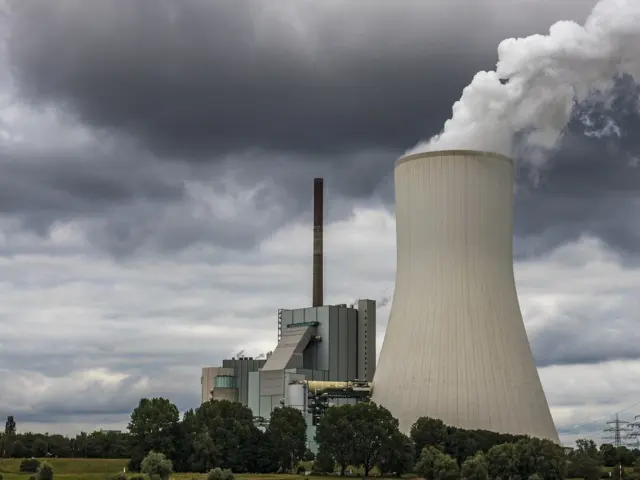
Fossil fuels are the dominant source of the greenhouse gases that drive climate change. The United Nations, as cited in a Penn State study report, attributes more than 75% of greenhouse gas emissions and almost 90% of carbon dioxide emissions to fossil fuels.
The decision implication is direct. A climate plan that leaves fossil fuel use untouched leaves most emissions untouched, so efficiency and renewables alone cannot do the job unless they displace fossil fuel burning. Carbon dioxide is the larger share, which makes the biggest burners, such as power generation and vehicle fuel, the most important places to act.
How fossil fuels work and why they persist
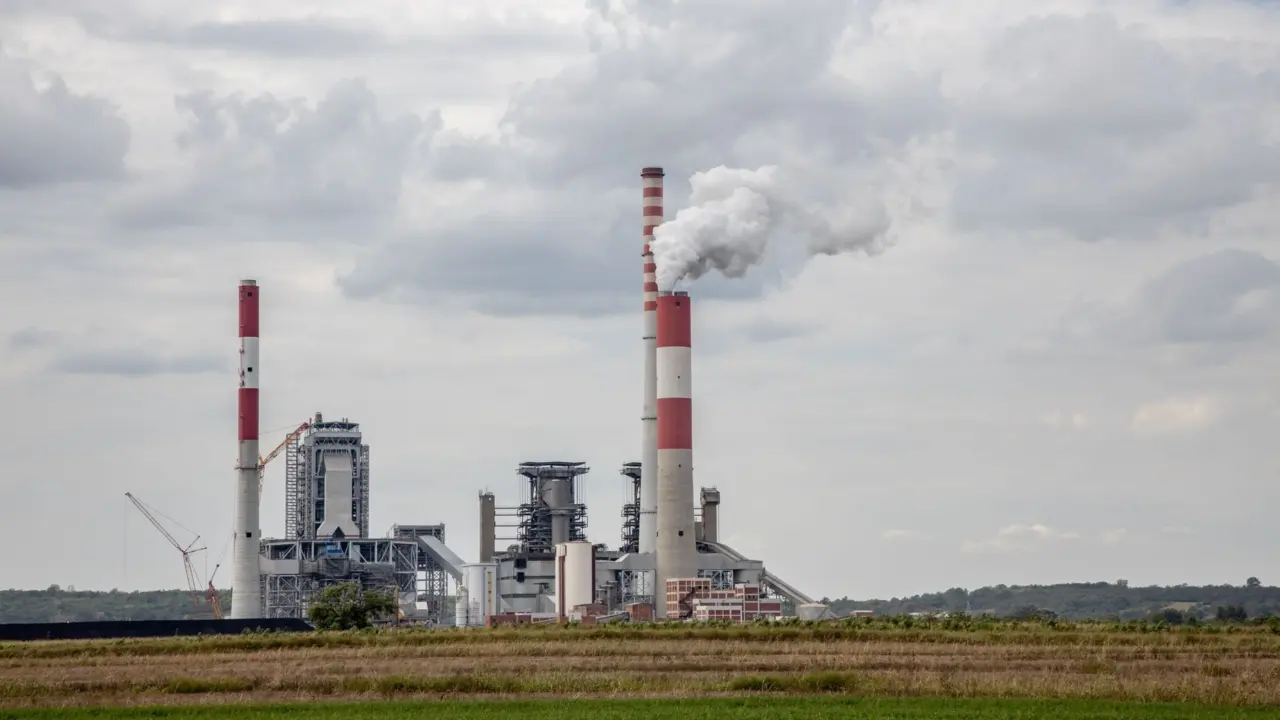
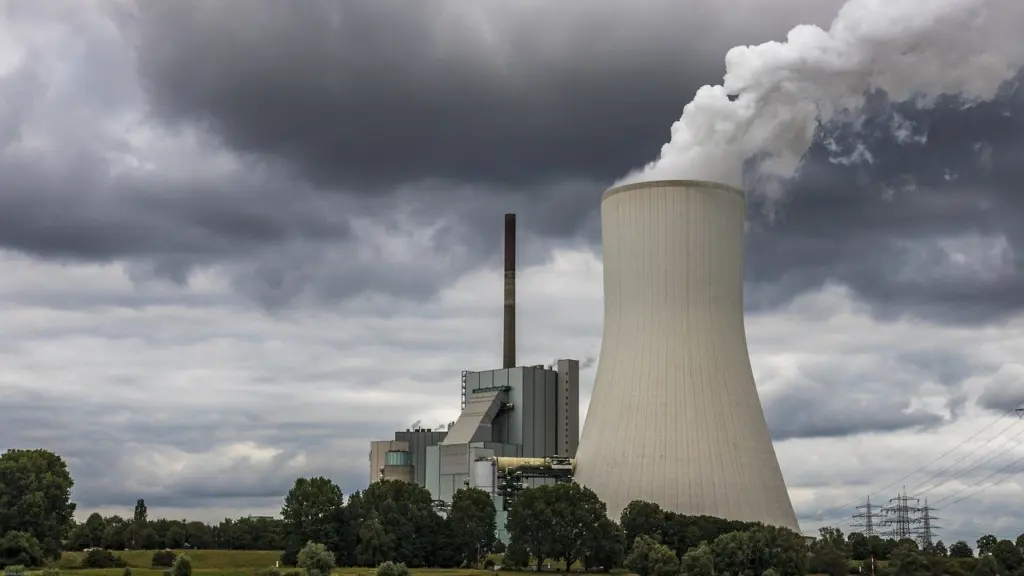
Fossil fuels are coal, oil and natural gas. They formed from plant and animal matter buried and compressed over millions of years, a process described in How Are Fossil Fuels Created? A Clear, Up-to-Date Guide To How Dead Plants Became Oil, Gas, And Coal (2026) – Fixourfuel. Power plants burn coal and gas to boil water and spin turbines. Refineries turn crude oil into transport fuels. Natural gas also serves heating and industry.
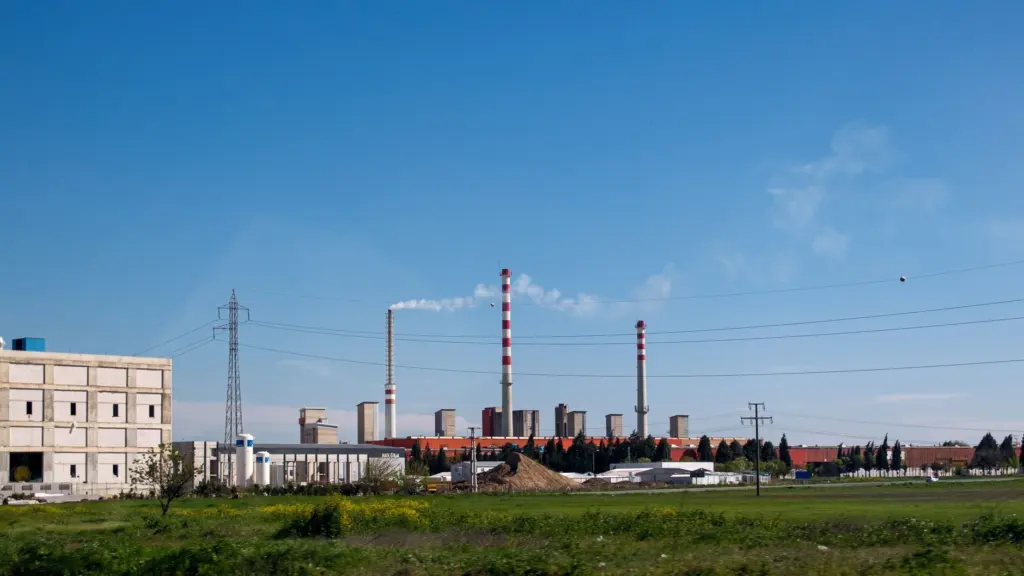
Their continued dominance, over 80% of global primary energy supply according to Energy Tracker Asia, reflects the infrastructure built around them: pipelines, ports, refineries, rail and power stations. Existing infrastructure favours continued use unless it is repurposed or retired, so the sensible approach is to plan the retirement of each asset rather than assume the market will remove them.
Practical switching options
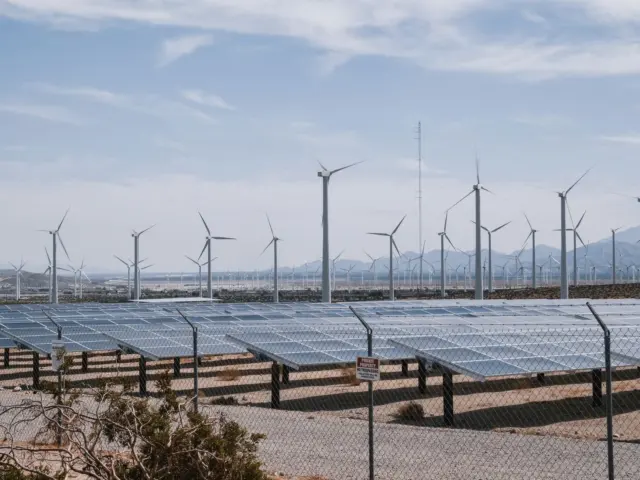
The main alternative to fossil fuels is renewable energy, chiefly solar and wind, supported by storage, grid upgrades and efficiency. Building renewables does not remove fossil fuels automatically. A Penn State study of 33 US states from 1997 to 2020 found no association between the production of renewable energy and fossil fuels, as reported by ScienceDaily. Adding clean generation therefore needs to be paired with deliberate decisions about retiring fossil capacity.
Choices differ by situation:
- Utilities and grid planners: add renewables and storage while setting retirement dates for the most polluting plants, so new supply replaces rather than sits beside old supply.
- Fuel-price-exposed users: cut petroleum use first, since it is the most volatile of the three fuels on cost.
- Regions dependent on coal: link any closure schedule to worker retraining, given the occupational risks of mining.
- Where replacement is hard: keep existing assets running only for as long as a replacement is not yet available, and treat that as a bridge, not a destination.
Frequently asked questions
Does adding renewable energy automatically reduce fossil fuel production?
No. A Penn State analysis of US state-level data found no association between renewable and fossil fuel production.
Where is most US coal mined?
Mostly at surface mines. The EIA, as cited in the coal explainer, reports that surface mines were the source of over 60% of coal mined in the United States in 2022.
Can air pollution deaths be blamed on fossil fuels alone?
No. The WHO figure covers air pollution from every source. Use it as a measure of the scale of the problem when weighing which sources to cut, not as a fossil-fuel-only total.