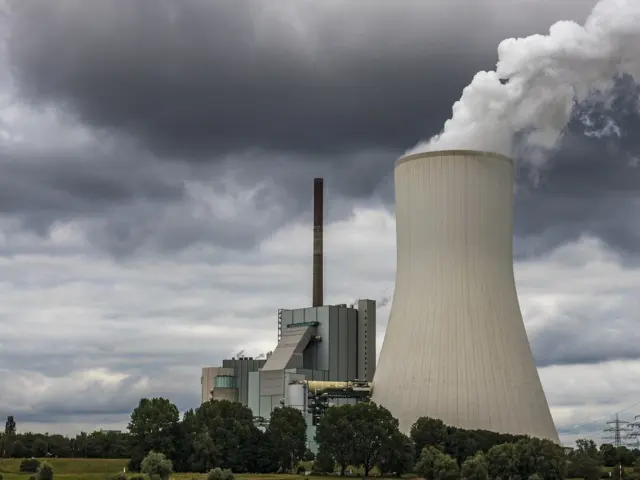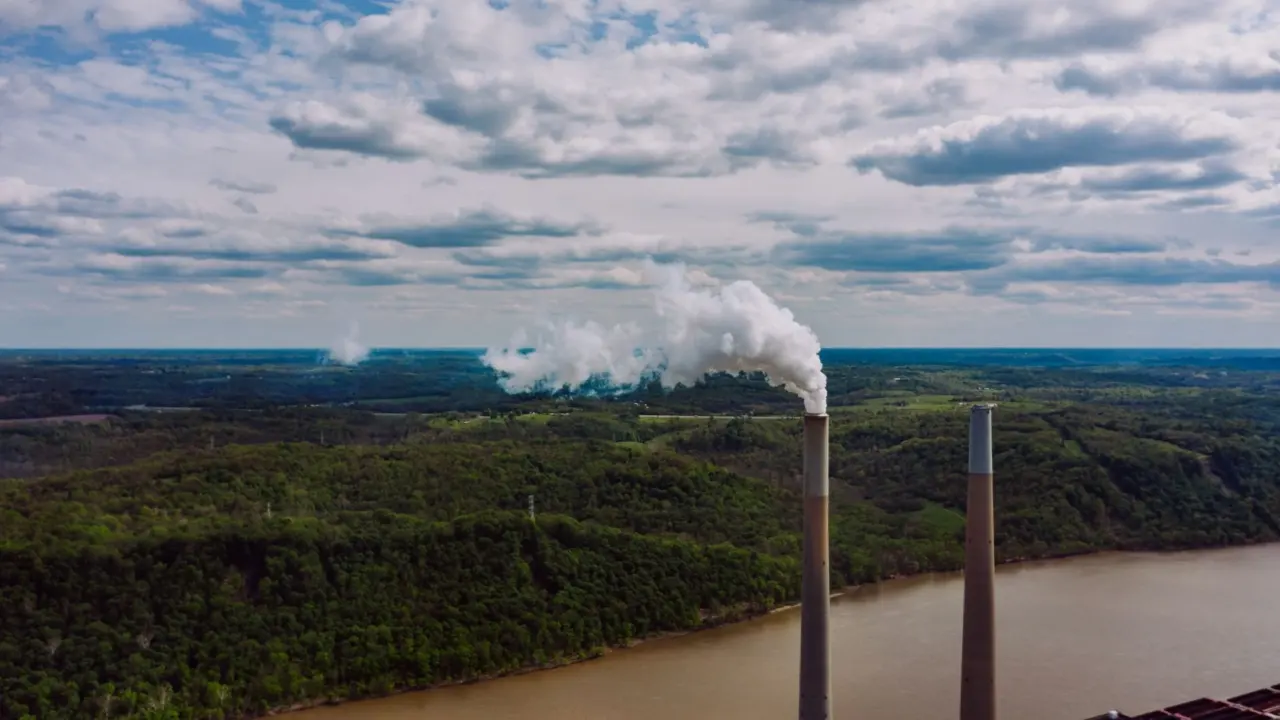
What happens when fossil fuels are burned: carbon in the fuel combines with oxygen to form carbon dioxide, and hydrogen forms water vapor. Sulfur dioxide, nitrogen oxides and soot travel with them and damage air quality, health and ecosystems.
The effects follow in stages: the reaction, the gases released, warming, acidification and health harm. Each stage points to a fuel choice that changes the outcome, and the wider comparison is covered in our guide to fossil fuels vs renewable energy emissions.
The combustion reaction
Burning a fossil fuel is a reaction with oxygen. The U.S. Energy Information Administration explains that when fossil fuels are burned, oxygen combines with carbon to form CO2 and with hydrogen to form water. The reaction releases the heat that power stations, engines and boilers put to use.
The same source says the amount of CO2 emitted depends on the carbon content of the fuel, while the heat released depends on both its carbon and hydrogen content. That is why fuels differ in how much CO2 they produce for the energy they deliver, and why switching fuel can change emissions without changing how much energy you use.
The carbon involved is also not part of today’s natural cycle. Britain’s Forest Research notes that burning fossil fuels releases carbon that was removed from the atmosphere millions of years ago by animal and plant life. Burning therefore adds carbon to the atmosphere that had been stored underground.
Gases and particles released
Burning coal, oil and natural gas releases a mix of greenhouse gases and air pollutants. Which ones dominate depends on the fuel, but the main products are these:
- Carbon dioxide: the EPA states that carbon dioxide enters the atmosphere through burning fossil fuels (coal, natural gas and oil). It is the main climate-relevant product of combustion.
- Water vapor: the hydrogen in the fuel forms water, so every flame also releases it.
- Nitrous oxide: the EPA lists combustion of fossil fuels and solid waste among the sources of nitrous oxide, alongside agriculture, land use and industry.
- Sulfur dioxide and nitrogen oxides: a University of California, Berkeley background guide identifies sulfur dioxide, nitrogen oxides and airborne particles such as soot as emissions that reduce air quality.
- Particulates: these are the soot and other airborne particles in the same list, and they are the part of the smoke you can often see.
Greenhouse gases and local pollutants do different harm. Carbon dioxide mixes through the atmosphere and acts globally, whereas sulfur dioxide, nitrogen oxides and soot mainly degrade the air near where they are emitted. A cleaner flame therefore does not fix the climate problem, and a lower-carbon fuel does not automatically fix the air-quality problem.
How burning fuel changes the climate
Burning fossil fuels warms the climate because the CO2 it releases absorbs heat. Forest Research describes how these gases absorb the infrared radiation emitted by the warm surface of the Earth, preventing its loss into space. More CO2 in the air means more heat retained. The Berkeley guide states plainly that the burning of fossil fuels is the primary cause of current climate change.
The scale is visible in national inventories. EIA reports that in 2022 burning fossil fuels accounted for 74% of total U.S. greenhouse gas emissions and 93% of U.S. anthropogenic CO2 emissions. The EPA puts total U.S. emissions in 2022 at 6,343 million metric tons of CO2 equivalent, excluding the land sector.
The “CO2 equivalent” unit matters when you compare gases. The EPA defines global warming potential as a gas’s warming effect relative to 1 ton of carbon dioxide, typically over a 100-year time horizon. It lets nitrous oxide and other combustion-related gases be counted on the same scale as CO2.
Emissions by fuel
Fuels differ in how much CO2 they produce for the energy they deliver, and in how much they contribute compared with how much they are used. The EIA figures below describe the United States and show where fuel choices matter most.
| Fuel | Verified figure | Planning use |
|---|---|---|
| Coal | About 16% of U.S. energy-related CO2 emissions in 2023, from about 9% of energy consumption | Coal emits more CO2 than its share of energy would suggest, so replacing it gives the biggest cut per unit of energy. |
| Petroleum | 47% of U.S. energy-related CO2 emissions in 2023, from about 38% of energy consumption | The largest single source, so fuel use in transport is the priority for most households. |
| Natural gas | About half the CO2 of coal for the same energy produced | A lower-CO2 option than coal, but still a CO2 source. |
These figures come from the U.S. Energy Information Administration.
The same EIA source explains why transport stands out: the transportation sector emitted the most CO2 among energy end uses in 2023 because of its near complete dependence on petroleum fuels. For an individual, that makes the car the most direct place where fuel choice shows up in emissions.
Acid rain and ocean acidification
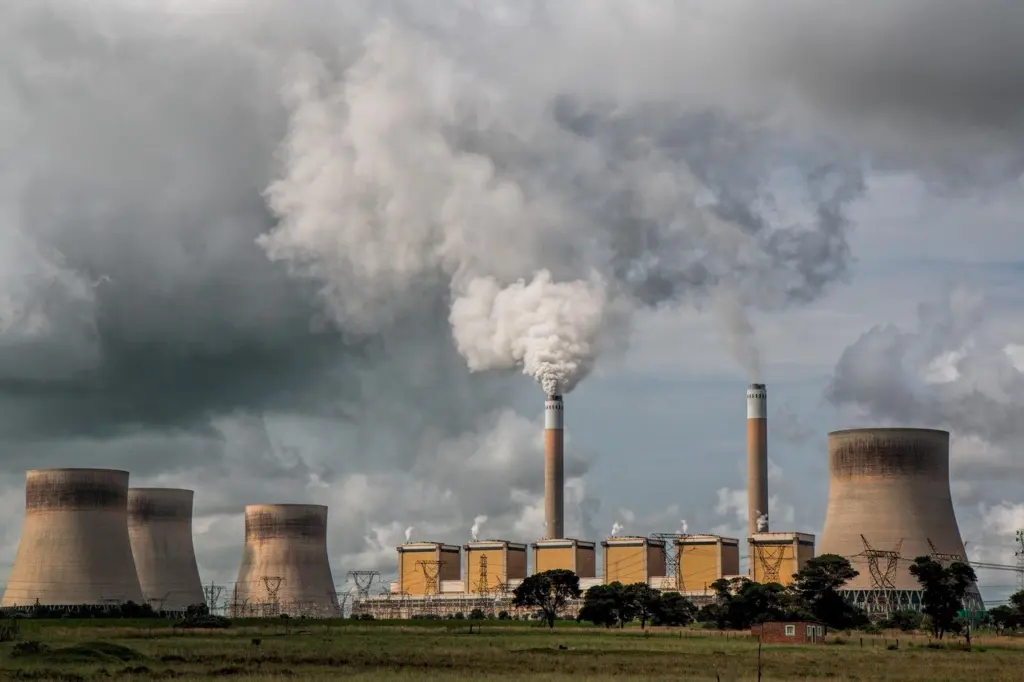
Combustion gases also change the chemistry of rain and seawater. Sulfur dioxide, nitrogen oxides and CO2 react with water vapor, oxygen and other chemicals in the atmosphere to form acid rain, according to the Berkeley guide. Acid rain therefore comes from the same smokestacks and exhausts that drive warming.
The ocean absorbs part of the CO2 problem. The same guide explains that some of the atmospheric CO2 dissolves in the ocean, causing ocean acidification. In practice, CO2 from burning fuel does harm beyond warming, because it also alters the chemistry of the sea.
The two processes need different fixes. Acid rain responds to cutting sulfur dioxide and nitrogen oxides, while ocean acidification tracks the total amount of CO2 emitted. Cutting CO2 alone does not target the acid-rain gases, and capturing sulfur dioxide does nothing for the ocean.
Health effects of combustion pollution
Fossil fuel pollution harms health mainly through the air people breathe. The Berkeley guide states that poor air quality can cause respiratory disease, and sulfur dioxide, nitrogen oxides and soot are the pollutants it names as reducing air quality.
A peer-reviewed article on children’s health in PubMed Central describes the impacts as including impairment of cognitive and behavioral development, respiratory illness and other chronic diseases. It calls fossil-fuel combustion by-products the world’s most significant threat to children’s health and future. Where homes, schools or playgrounds sit beside busy roads or combustion sources, that makes local air quality a practical concern for families, not just a policy topic.
What switching fuels changes
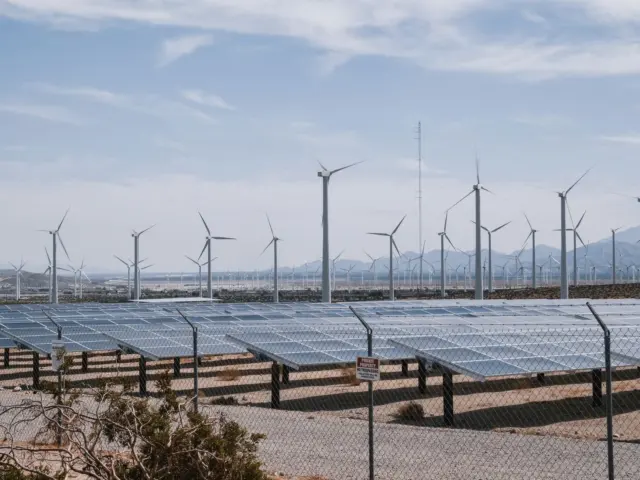
Fuel switching helps most when it targets the biggest and most carbon-heavy sources. Moving from coal to natural gas roughly halves CO2 for the same energy, according to EIA. That is a real reduction, but it is not an end state, because the EPA still lists natural gas among the fuels that release CO2 when burned.
The larger lever for most readers is petroleum. Given its 47% share of U.S. energy-related CO2, reducing the fuel your vehicle burns is more consequential than almost any other household fuel decision. Our guide to Your Carbon Footprint: How Much Carbon Does One Person Produce (And Practical Ways To Cut It in 2026) – Fixourfuel turns this into personal actions.
Whether fossil fuels remain worth using in some roles is a separate judgement about costs and benefits. Fossil Fuels: Weighing The Pros And Cons In 2026 — What You Need To Know – Fixourfuel sets out that wider balance. Chemically, the rule stays the same: any switch that burns less carbon per unit of energy cuts CO2, and any switch that avoids combustion also avoids the sulfur dioxide, nitrogen oxides and soot that come with it.
Frequently asked questions
Does natural gas release less carbon dioxide than coal?
Yes. For the same amount of energy produced, burning natural gas produces about half the CO2 that burning coal does, according to EIA. It still releases CO2.
Which fuel causes the largest share of U.S. energy-related CO2?
Petroleum. It was the source of 47% of U.S. energy-related CO2 emissions in 2023, and transportation emitted the most CO2 among end uses because it depends almost entirely on petroleum fuels.
Why does burning fossil fuels add to atmospheric carbon rather than just recycle it?
The carbon in fossil fuels was removed from the atmosphere millions of years ago and stored underground. Burning it returns that carbon to the air as CO2, as Forest Research explains.
Who is most exposed to the health harm from combustion by-products?
A peer-reviewed article in PubMed Central identifies children as facing the most significant threat from fossil-fuel combustion by-products, including respiratory illness and impaired cognitive and behavioral development.